


 2024-12-05
 Author: SPON COMM
 Page view: 736
System Overview
The Bank Emergency Communication System is designed based on the bank's existing security network architecture and remote IP intercom system, combined with the bank’s multi-level vertical management structure. It enables video monitoring centers at all levels to conduct visual and rapid emergency communication during critical incidents or emergencies. The system offers functions such as "one-to-many emergency communication, point-to-point emergency communication, remote audio/video conferencing, emergency broadcasting, remote condolences, and remote training."
It is compatible with existing intercom hosts, panels, intercom terminals, and window intercoms at key locations such as business outlets (including self-service banks) and vaults, ensuring comprehensive, full-coverage emergency communication across the entire bank. During emergencies or critical situations, the system facilitates the timely delivery of instructions and decisions, significantly improving response efficiency and capability, reducing or mitigating the risks and impacts of sudden events, and fostering a secure operating environment.
Additionally, the system incorporates existing intercom hosts, panels, intercom terminals, and window intercoms at business outlets (including self-service banks) and vaults as part of its infrastructure, avoiding redundant construction and effectively reducing system deployment costs.

System Deployment
1. Head Office Video Monitoring Center
The system adopts a distributed architecture, deploying an IP network command and dispatch gateway in the head office video monitoring center’s server room. This enables the registration and management of video monitoring equipment, as well as audio/video data processing, editing, and distribution.
In the video monitoring center, deploy IP network emergency command terminals, audio/video command communication terminals, and intelligent audio/video collection sensors to initiate remote emergency communications with lower-level units, remote audio/video conferencing, policy dissemination, business training, and remote holiday greetings.
Deploy smart voice processing matrices, multi-channel desktop microphones, and 12-unit linear array sound columns to perform audio processing and amplification in the video monitoring center, enabling collaborative command and public address functions.
2、First-tier Branch Video Monitoring Center
The system uses a distributed architecture, deploying an IP network command and dispatch gateway in the first-tier branch video monitoring center’s server room. This facilitates the registration and management of video monitoring equipment, as well as audio/video data processing, editing, and distribution.
In the video monitoring center, deploy IP network emergency command terminals, audio/video command communication terminals, and intelligent audio/video collection sensors to receive remote emergency communications initiated by the head office, remote audio/video conferencing, policy dissemination, business training, and remote holiday greetings.
Deploy smart voice processing matrices, multi-channel desktop microphones, and 12-unit linear array sound columns to perform audio processing and amplification in the video monitoring center, enabling collaborative command and public address functions.
3、Second-tier Branch Video Monitoring Center
The system uses a distributed architecture, deploying an IP network command and dispatch gateway in the second-tier branch video monitoring center’s server room. This facilitates the registration and management of video monitoring equipment, as well as audio/video data processing, editing, and distribution.
In the video monitoring center, deploy IP network emergency command terminals to receive remote emergency communications, remote audio/video conferencing, policy dissemination, business training, and remote holiday greetings initiated by the higher-level units.
Deploy smart voice processing matrices, multi-channel desktop microphones, and 12-unit linear array sound columns to perform audio processing and amplification in the video monitoring center, enabling collaborative command and public address functions.
4、Business Outlets
Deploy IP network emergency command terminals at business outlets to receive remote emergency communications, remote audio/video conferencing, policy dissemination, business training, and remote holiday greetings initiated by higher-level units.
Reuse the existing intercom master station, panels, and window intercom at the business outlets to receive emergency communications from higher-level units.
5、Vault
Reuse the existing intercom terminals in the vault to receive emergency communications from higher-level units.
System Functions
1、One-to-Many Emergency Communication
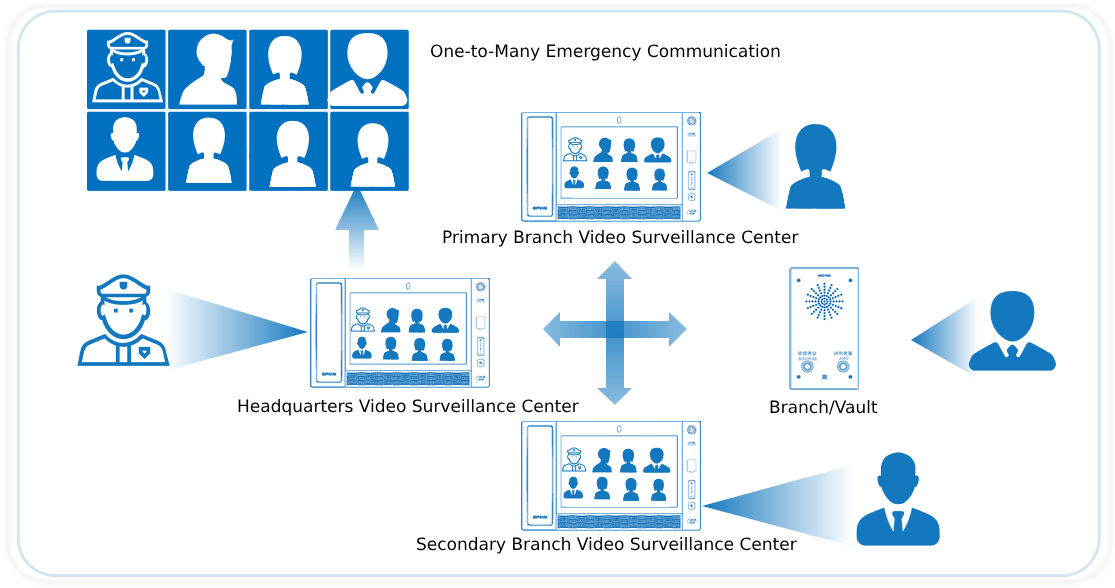
In the event of an emergency or critical situation, video monitoring centers at all levels can initiate one-to-many emergency communication with lower-level video monitoring centers, business outlets (including self-service banks), and vaults. This enables remote audio/video command, policy directives, and information transmission. During this process, integration with the XX Bank’s integrated security management platform allows the retrieval of associated environmental video to be displayed on the monitoring center’s TV wall, enhancing the emergency communication experience. The entire communication process, including audio and video, is recorded for future reference (excluding environmental video).
The emergency communication system supports multiple emergency communication plans, allowing users to initiate the corresponding emergency plan with a single click to improve the efficiency of handling emergencies.
2、Point-to-Point Intercom Communication
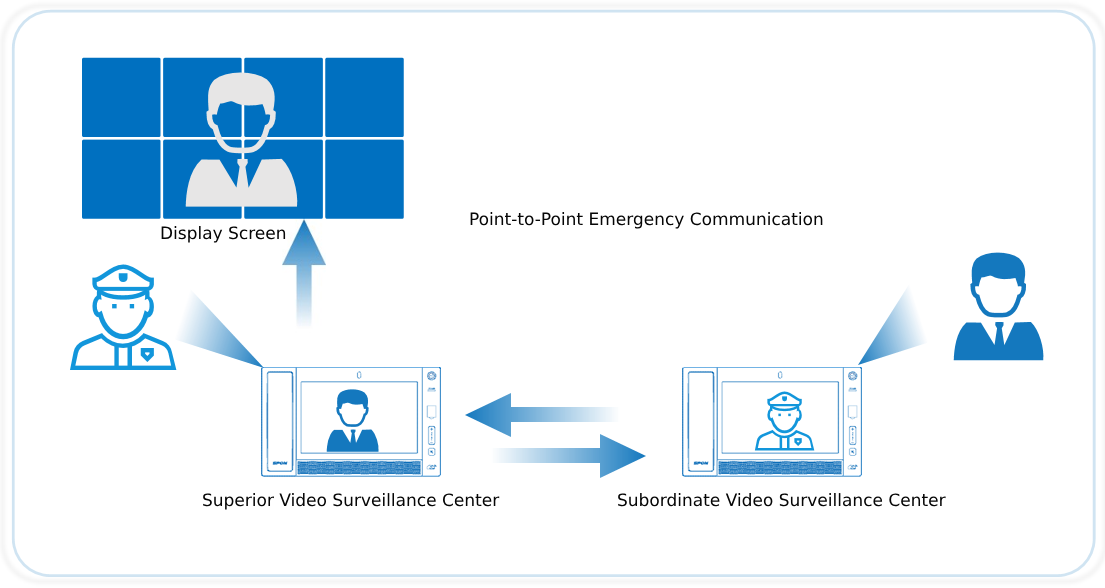
IP network emergency command terminals at all levels of the bank’s video monitoring centers support mutual calling, enabling full-duplex, hands-free, and visual point-to-point emergency communication. The system also allows calling intercom panels/terminals at business outlets (including self-service banks) and vaults for point-to-point emergency communication.
3、Remote Audio/Video Conferencing
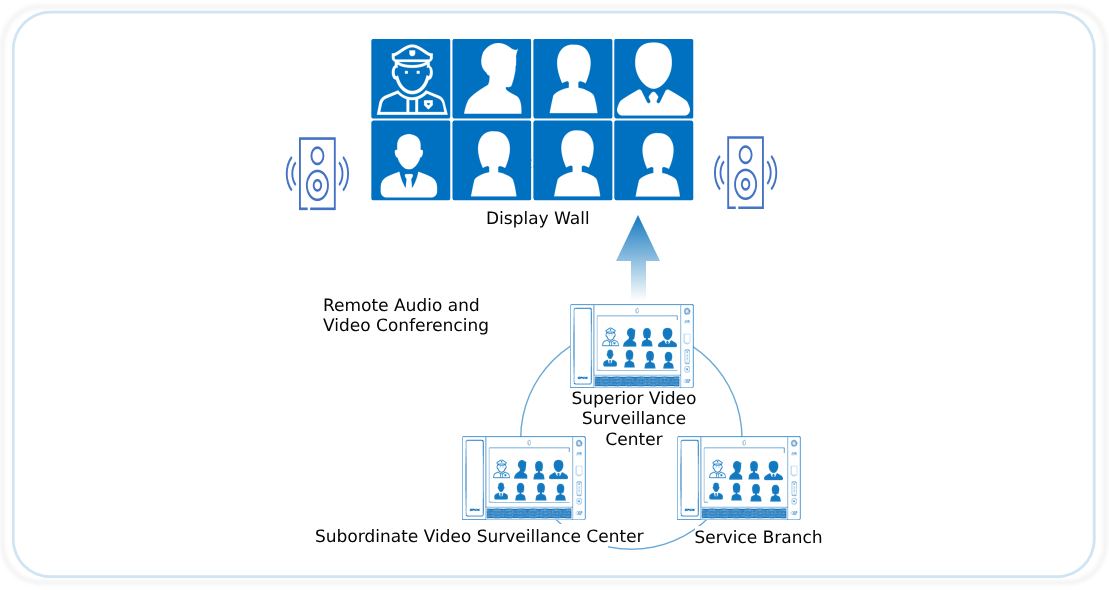
Video monitoring centers at all levels can initiate remote audio/video conferencing in two modes:
1. Fixed Conferencing: Pre-configured templates that include conference name, type, initiator, default speaking on/off, conference reservation, speaker following, participants, screen sharing, video rotation settings, etc.
2. Temporary Conferencing: Ad-hoc creation of conference participants.
During the conference, the host can manage speakers, mute/unmute participants, invite/remove participants, record and playback the meeting, and more. Additionally, the host can initiate voting on specific topics and view the results.
This feature allows routine security and technical defense training, as well as other meetings, to be conducted remotely, unaffected by factors like pandemics, thus saving on travel costs and time.
4、Emergency Broadcasting

In the event of a sudden incident or emergency, video monitoring centers at all levels can initiate emergency broadcasts within their authority, such as emergency voice messages or notifications. The broadcast target can include IP network emergency command terminals at each video monitoring center, as well as intercom panels/terminals and window intercoms at business outlets (including self-service banks) and vaults.
Emergency broadcasts support various emergency plans that can be activated with a single click for specific areas or the entire facility, improving the efficiency of emergency response.
5、Remote Condolences
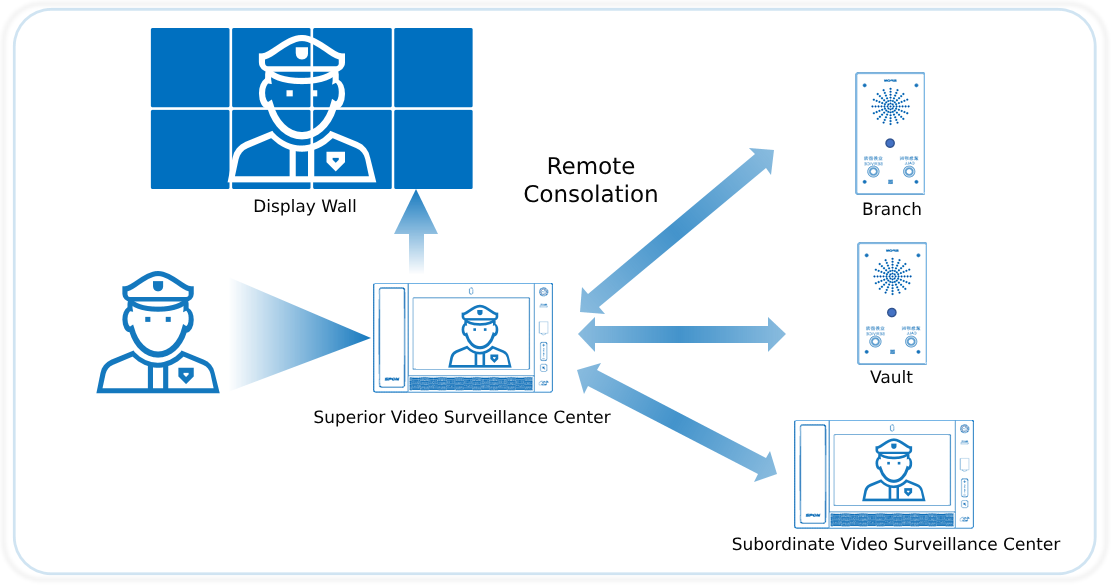
The emergency communication system features remote condolences functionality, allowing leadership to remotely send condolences to frontline employees in their area during major holidays. Video calls allow for direct communication, offering a personal connection that enhances employee satisfaction and a sense of belonging.
6、Remote Training
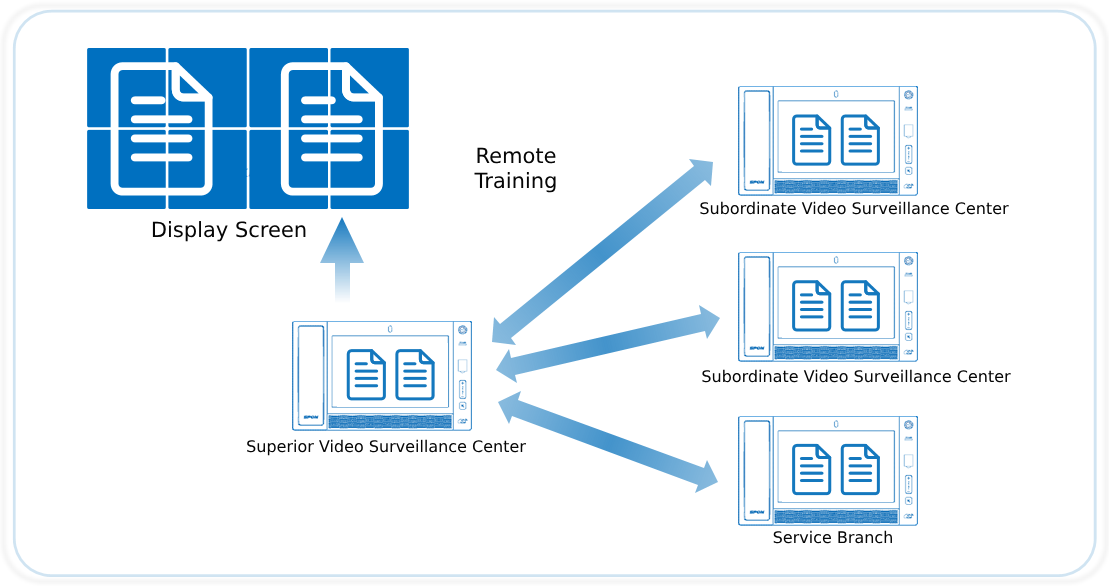
The emergency communication system also supports remote training, allowing necessary documents for routine security meetings and technical defense training to be uploaded to the IP network command dispatch gateway and displayed on the screens of IP network emergency command terminals. The documents can be freely read or used for teaching purposes, facilitating the dissemination of XX Bank policies and business training.
7、Platform Integration
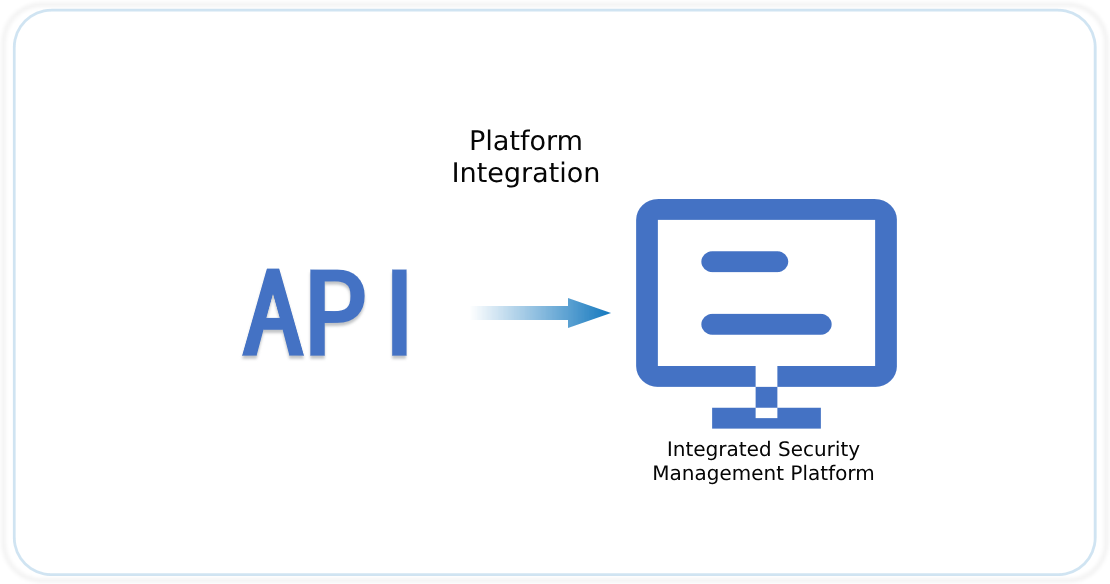
The emergency communication system provides a rich set of APIs for integration with XX Bank’s integrated security management platform. This integration allows the system to obtain device status and alarm information, initiate and control emergency communications, and link with video pop-up windows, among other features.
System Features
1、Full Coverage Across All Locations
The emergency communication system establishes a seamless and coordinated emergency communication mechanism between video monitoring centers at all levels, business outlets (including self-service banks), vaults, and other key locations. It ensures full coverage of emergency communication across the entire bank and all scenarios, with no intermediate transfer needed, and is on standby 24/7. This greatly enhances the bank's emergency response capability and efficiency.
2、Integrated Communication

The emergency communication system seamlessly integrates with XX Bank’s IP intercom system. Additionally, the system can be expanded to include an IP broadcasting system, IP network soundwave deterrence system, third-party SIP video conferencing system, telephone system, wireless intercom terminals, mobile phones, and other devices. This allows for integrated communication across different brands and protocols, achieving coordinated command and rapid response at all levels and across all systems.
Project Cases



 AR
AR
 EN
EN


