


 2024-12-20
 Author: SPON COMM
 Page view: 1158
Introduction
In the dynamic landscape of broadcasting, effective communication is paramount. Broadcast intercom systems have evolved from rudimentary wired networks to sophisticated digital and IP-based solutions, enhancing coordination and collaboration in live productions. This comprehensive guide delves into the history, technology, applications, and future trends of broadcast intercom systems, providing insights into their transformative role in the industry.

History and Evolution of Intercom Systems
The journey of intercom systems began in the early 20th century with basic wired communication systems used for internal communication in large buildings. Over the decades, technological advancements have reshaped these systems:
Analog Systems:
Early analog intercom systems allowed for more reliable and clearer communication over greater distances.
Digital Systems:
The shift to digital offered superior audio quality, reduced interference, and the ability to integrate with other digital technologies.
Wireless Intercoms:
Wireless technology provided greater flexibility and mobility, ideal for dynamic environments like live events.
IP-Based Systems:
The most recent leap is the integration of IP technology, leveraging existing network infrastructure for scalable and flexible communication solutions.
Broadcast intercom systems are versatile and find applications in various scenarios, each with its unique set of functions. Here are six scenarios with five functions each where broadcast intercom systems play a crucial role:

1、Broadcast Intercom Systems for School,Campus
Emergency Communication:
Intercom systems enable quick dissemination of emergency alerts, such as lockdowns, fire drills, or severe weather warnings, ensuring the safety of students and staff.
Daily Announcements:
Administrators can use intercom systems to make daily announcements, schedule changes, and other important notifications, ensuring that everyone in the school is informed in real-time.
Access Control:
Allowing staff to verify visitors’ identities before granting entry, enhancing security. These systems can also be used to manage staff access to different areas of the school, ensuring that only authorized personnel enter sensitive areas.
Paging and Room-to-Room Communication:
Intercom systems allow teachers to request help or communicate with other classrooms quickly and efficiently, improving overall school operations. These systems can also function as pagers, enabling staff to locate and communicate with each other effectively.
Integration with Other Systems:
Including access control, surveillance cameras, emergency alarms, and communication channels. By linking the intercom system with CCTV cameras and electronic access controls, school administrators can monitor entrances and exits more effectively.
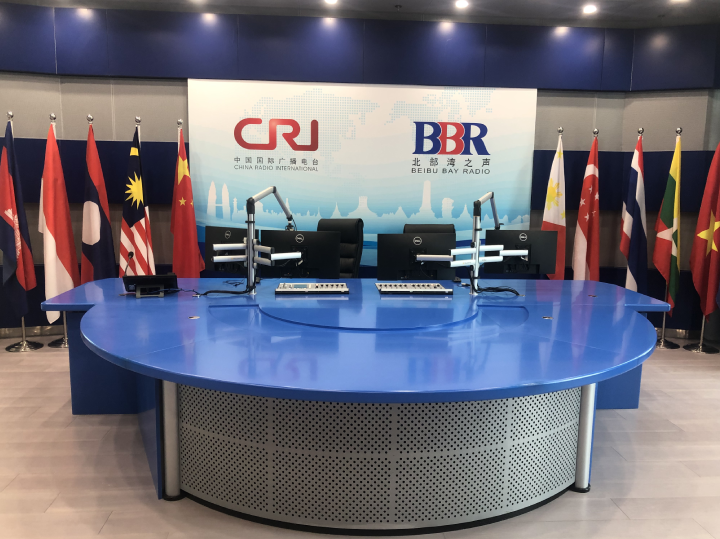
2、Broadcast Intercom Systems for Television Studios Functions
Direction and Coordination:
Directors use intercom systems to instruct camera operators and other crew members during a live show.
Technical Support Communication:
Ensures that technical issues can be quickly addressed with the support team.
Guest Coordination:
Facilitates communication with guests or performers, especially in shows with multiple participants.
Cueing and Timing:
Used for cueing performers and managing the timing of various segments in a show.
Feedback and Monitoring:
Provides a channel for real-time feedback and monitoring of the broadcast to ensure quality.

3、Broadcast Intercom Systems for Corporate Environments Functions
Internal Communication:
Enables efficient internal communication across different departments.
Conference Room Coordination:
Facilitates meetings and conferences by allowing clear communication among participants.
Emergency Broadcasts:
Used for emergency announcements and instructions in case of building evacuations or security threats.
Public Address System:
Serves as a public address system for company-wide announcements.
Remote Collaboration:
Supports remote working by allowing employees in different locations to communicate seamlessly.
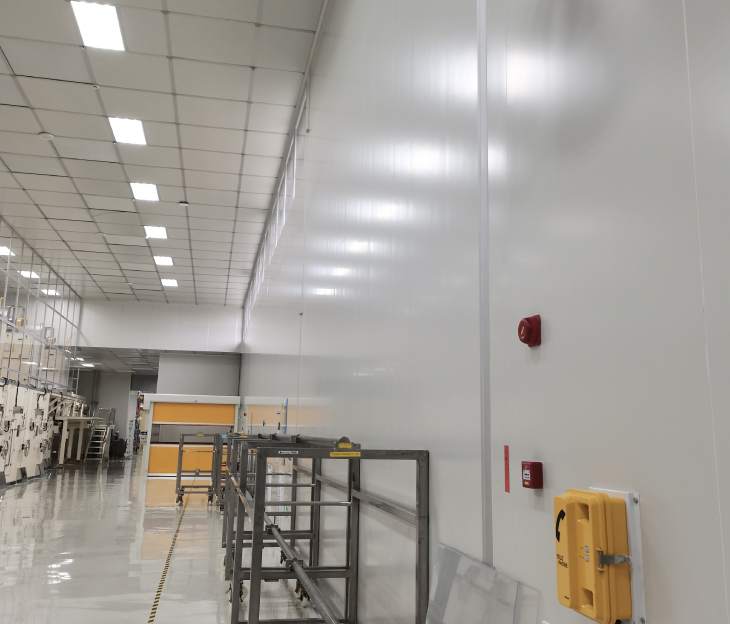
4、Broadcast Intercom Systems for Factories Functions
Service Coordination:
Coordinates between the clergy, choir, and technical crew during services.
Event Announcements:
Broadcasts event schedules and other important announcements to the congregation.
Emergency Communication:
Provides a means for emergency communication in case of incidents during gatherings.
Hearing Assistance:
Can be integrated with hearing assistance systems to ensure inclusivity.
Remote Streaming Coordination:
Facilitates coordination for remote streaming of services for those unable to attend in person.

5、Broadcast intercom systems for parks
Emergency Alerts:
Quickly inform visitors during emergencies, guiding them to safety.
Event Management:
Facilitate real-time communication for event logistics and crowd control.
Announcements:
Keep visitors updated on park news, rules, and weather conditions.
Ambience Enhancement:
Play music or sounds to create a pleasant atmosphere in different park areas.
Maintenance Communication:
Improve efficiency in coordinating park maintenance and operations.

6、Broadcast Intercom Systems for Public Address and Emergency Systems Functions
Public Information Dissemination:
Broadcasts important information and updates to the public.
Emergency Alert System:
Acts as an emergency alert system in case of natural disasters or other crises.
Event Coordination:
Coordinates large public events, such as festivals or parades, by communicating with staff and volunteers.
Traffic Management:
Used by traffic control centers to manage and direct traffic flow during peak hours or incidents.
School Communication:
Employed in schools for daily communication needs and emergency lockdown procedures.
Types of Intercom Systems
Intercom systems can be categorized based on their wiring and functionality:
Two-Wire Systems:
Basic configurations that are easy to set up and use, ideal for smaller productions.
Three-Wire Systems:
Offer improved signal quality by separating audio signal and power, suitable for larger venues and complex production setups.
Party Lines:
Allow multiple users to communicate simultaneously on the same channel, fostering real-time collaboration.
IP-Based Intercom Systems
The transition to IP-based intercom systems has been a game-changer in broadcasting communication. These systems offer scalability, integration with other IP-based technologies, and cost-effectiveness by utilizing existing network infrastructure. They also provide enhanced features such as high-definition audio and advanced routing capabilities.
Challenges and Considerations of IP-Based Intercom Systems
While IP-based systems offer numerous advantages, they also present challenges:
Network Reliability:
Performance relies on network stability and bandwidth, requiring robust infrastructure and redundancy.
Security Concerns:
Implementing appropriate measures to protect against unauthorized access and cyber threats is crucial.
Training and Adaptation:
Staff may require training to adapt to the functionality and user interface differences from traditional systems.
Future of Intercom Technology in Broadcasting
The future of intercom technology in broadcasting is poised for advancements that cater to the evolving needs of broadcasters:
1、Enhanced Mobility:
Focus on providing more flexible and mobile solutions for dynamic or remote locations.
2、Artificial Intelligence (AI) Integration:
AI could enable advanced features like automated language translation, voice recognition, and intelligent routing based on context or urgency.
3、Cloud-Based Solutions:
Cloud-based intercom systems offer scalability, remote accessibility, and simplified management across multiple sites or productions.
4、Interoperability:
Continued evolution towards tighter integration with other broadcast equipment and software for streamlined workflows and enhanced collaboration.
AI and Software Integration in Intercom Systems
The integration of AI with intercom systems is reshaping the industry by enhancing security through voice and facial recognition for identity verification. Edge computing in AI intercoms reduces latency, providing real-time communication capabilities. The future of smart intercom systems is being significantly enhanced by AI and software integration.
Cloud-Based Broadcast Intercom Systems
Cloud-based intercom solutions like swXtch.io and Telos Alliance enable low-latency, cloud-based broadcast intercom with multicast connectivity for global live productions. Telos Infinity Virtual Intercom Platform (VIP) is a fully-featured Cloud-based intercom system, delivering sophisticated comms virtually.
Conclusion
Broadcast intercom systems are at the heart of effective communication in the broadcasting industry. As technology continues to evolve, these systems are becoming more mobile, integrated with AI, and cloud-based, offering unprecedented flexibility and efficiency. Embracing these advancements is crucial for broadcasters to enhance viewer experiences, improve operational efficiency, and remain competitive in a rapidly changing industry. The future of broadcast intercom systems promises to be as dynamic as the industry itself, with innovation at its core.


 AR
AR
 EN
EN


