Cookies Setting
We use cookies to improve your browsing experience, analyze traffic, and personalize content. By using this site, you agree to our use of cookies. For more details, please check our Cookie Policy.
Home News

IP Emergency Call Boxes: Outdoor Safety Guide 2026

IP Emergency Call Boxes: Outdoor Safety Guide 2026
2026-03-12 Author: cora Page view: 1408
Public safety is really important in places like cities, schools, airports, and large buildings. When something goes wrong, people need a fast and easy way to ask for help. That’s where IP Emergency Call Boxes, Emergency Poles, and SIP Intercom systems come in.

Modern emergency communication systems use IP networks and SIP technology. This makes it easy to send help requests quickly and reliably. Security teams can respond faster and keep people safer in public spaces.

In this blog, we’ll explain how IP Emergency Call Boxes and Emergency Poles work, their main features, the benefits they offer, and where they are usually used.

Table of Contents

What is an emergency call box?

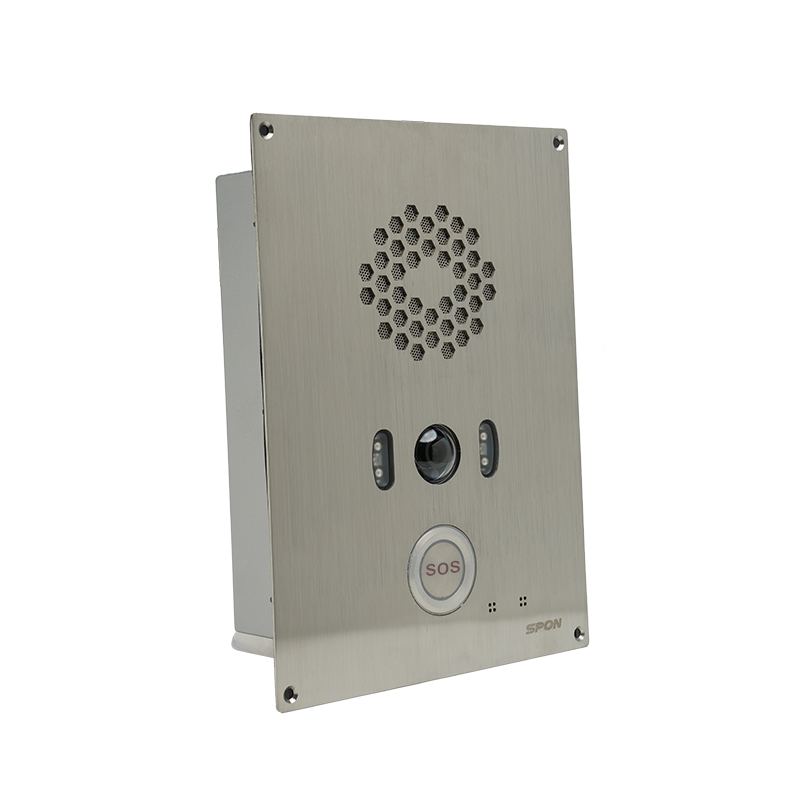
An emergency call box is a communication device used to quickly contact security or emergency centers in emergencies. It transmits voice, video, and other alarm information via IP networks and SIP protocols. It consists of an emergency call button, microphone and speaker, LED indicator lights, a network communication module, and some also include a camera. They are typically installed in public places such as parking lots, campuses, and highways to provide instant communication.

What is an emergency pole?

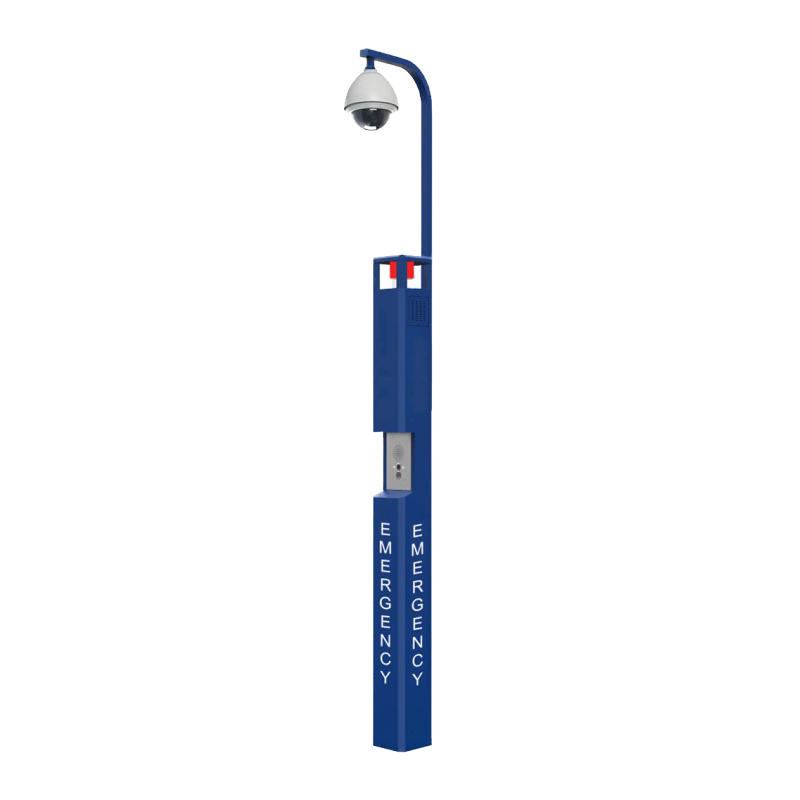
An emergency pole, also called a blue light emergency telephone tower, is a highly visible emergency communication device installed in developed areas. It is usually equipped with bright lights to help people quickly find it in emergencies.

Why do we need IP emergency intercom systems?

People who work on public infrastructure—like highway or tunnel maintenance staff—often rely on walkie-talkies. But sometimes those radios stop working or lose signal. When that happens, getting help can take too long and may even lead to injuries.

PIARC, in its report "Improving Safety in Road Tunnels through Real-Time Communication with Users, 2016R06EN," clearly emphasizes the importance of reliable communication.

At the same time, public places are getting bigger and more complex. Security teams can’t be everywhere at once. When an accident or safety problem happens, people need a fast and reliable way to ask for help.

An IP emergency intercom system helps solve this problem:
  • Faster emergency response: People can call the security center with one button.
  • Clear communication: Built-in microphones and speakers allow real-time two-way talk.
  • Quick location: Each device is installed at a fixed spot, so security teams know exactly where the call is coming from.
  • Crime deterrence: Visible emergency poles and cameras can help discourage crime in public areas.

Equipment Features and Functions

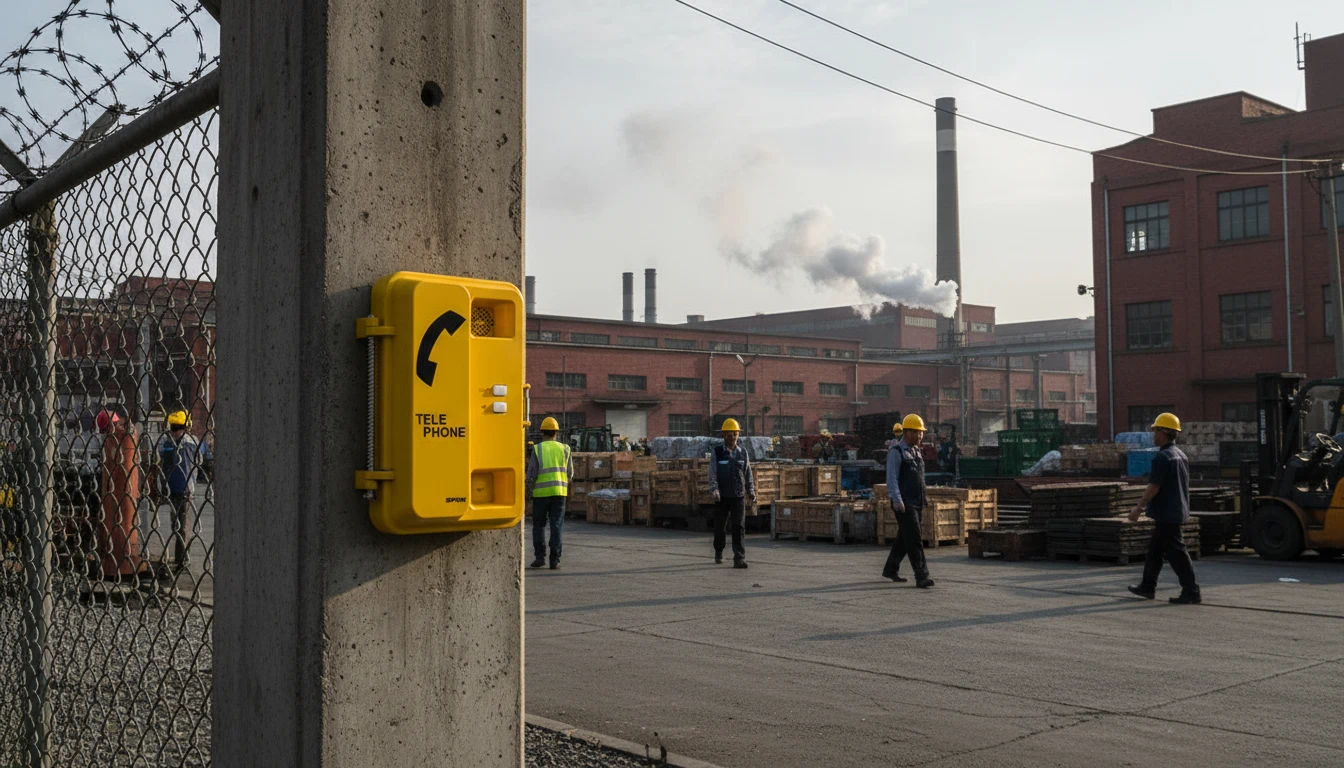
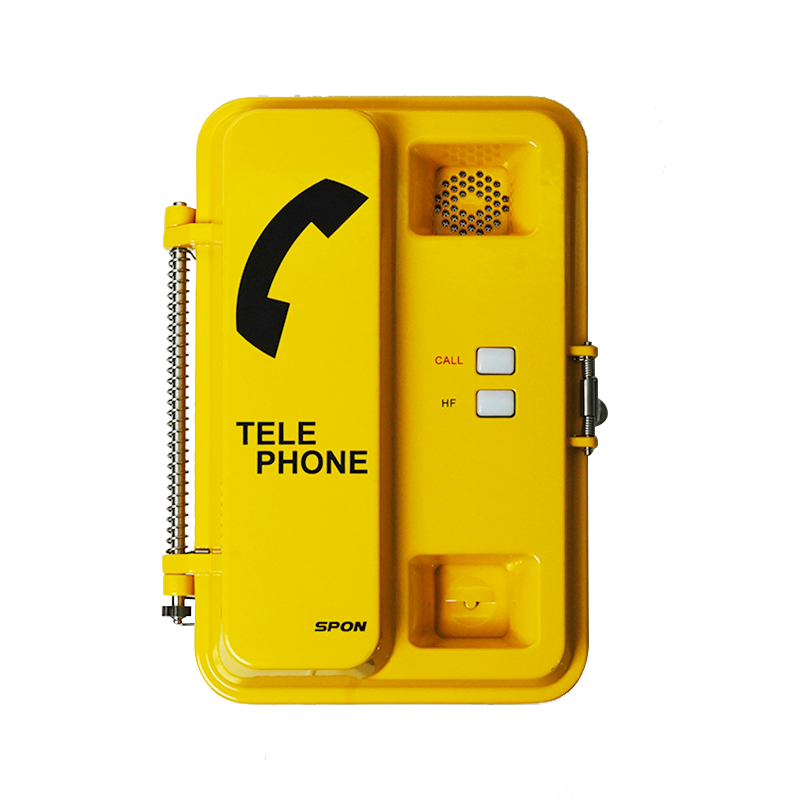
Emergency communication devices are built to be highly visible, durable, and easy for anyone to use.Many models use bright colors like yellow or blue, which makes them easy to spot during an emergency. The metal enclosure helps protect the equipment from damage or vandalism. Outdoor units usually come with IP65 or higher protection, so they can operate reliably in rain, dust, or very hot or cold weather.Some systems also include built-in cameras. This allows security teams to see what is happening at the location and react more quickly.Emergency intercom devices can also work together with warning lights, sirens, or other alarm equipment. At the same time, all devices can be managed and checked remotely through a central software platform, which makes system control and maintenance much simpler.

Product Recommendation

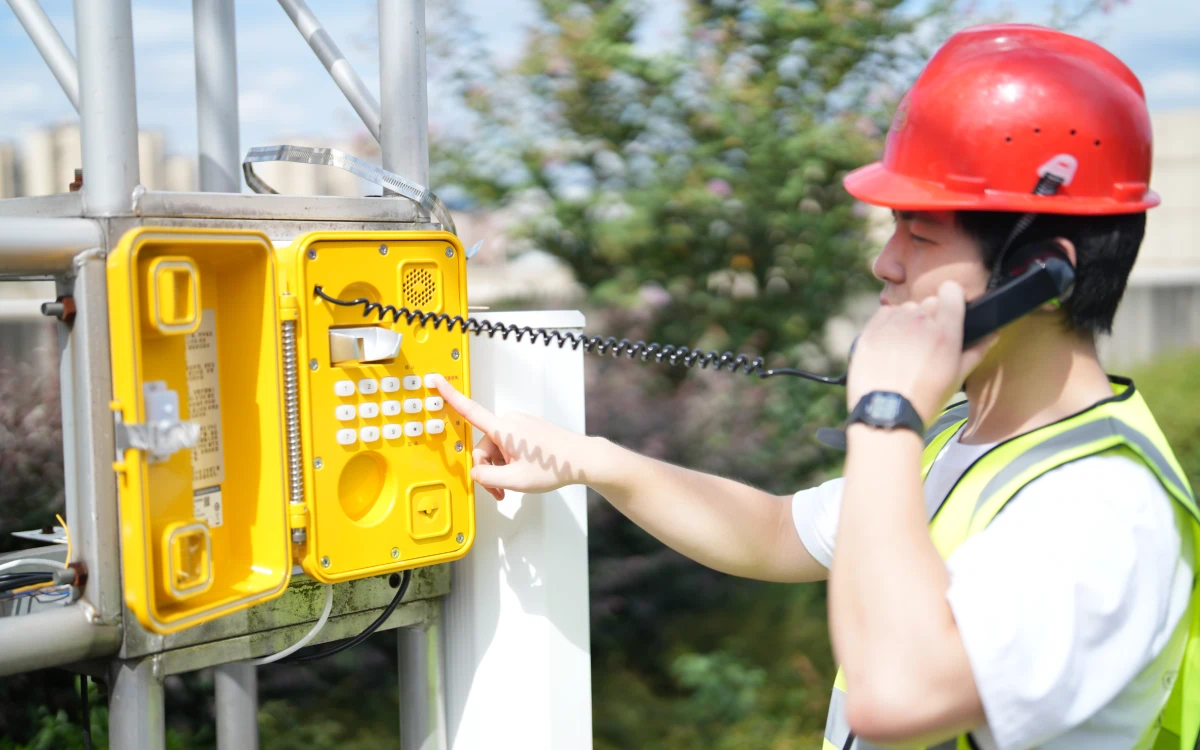
Rugged and Reliable, Seamless Communication: XC-9201V Industrial Outdoor Network Video PhoneIn extremely harsh industrial environments, communication equipment failure can mean production stoppages or even safety risks. The XC-9201V network outdoor industrial video phone is designed for demanding scenarios such as tunnels, mines, petrochemical plants, and urban rail transit, integrating ultimate protection with intelligent communication.The XC-9201V's appearance is not only aesthetically pleasing but also an extension of functionality. Bright Yellow Aluminum Alloy Housing: The highly visible bright yellow paint ensures users can easily spot the distress terminal in smoky, dusty, or low-light industrial environments. The high-strength aluminum alloy material provides excellent explosion-proof and impact-resistant performance. Automatic Door Cover Protection Function: Designed for dusty and humid outdoor environments, the unique automatic door cover design keeps the phone tightly closed when not in use, protecting the internal buttons and camera from weathering and significantly extending the device's lifespan.An excellent industrial phone must be able to "make calls and hear clearly" under any circumstances. Equipped with a full digital keypad, it supports full-duplex voice intercom. Users can randomly dial any terminal just like using a regular telephone, achieving precise point-to-point collaboration.In emergencies, time is of the essence. The emergency call button on the panel supports preset targets, enabling one-click direct connection to the monitoring center and simplifying the operation process. Even if the network server fails, the XC-9201V still supports offline intercom, ensuring uninterrupted communication links in extreme network environments.The XC-9201V also features a wide-angle HD camera, with a built-in HD camera supporting multiple video resolutions. The wide-angle lens design ensures a wider monitoring field of view, allowing back-end administrators to monitor the surrounding area in real time.This device is not just a telephone, but also a broadcast terminal. It supports initiating and receiving broadcast tasks, facilitating management's overall dispatching or issuing safety instructions.The built-in relay output can trigger alarm flashing lights, while the power amplifier output can connect to an external constant-impedance speaker, achieving a powerful "sound and light synchronized" alarm effect. Employing a standard RJ45 interface, it supports cross-segment and cross-router communication, enabling seamless integration into existing enterprise LANs.Through PoE (Power over Ethernet) technology, a single network cable can transmit both data and power, greatly simplifying the difficulty and reducing the cost of outdoor cabling.

Benefits for Distributors and Integrators

For audio equipment distributors, low-voltage integrators, consulting engineers, and project managers, IP emergency intercom systems offer:
  • Scalable Solutions: Easy to expand as facilities grow
  • Low Maintenance Costs: Remote management reduces on-site service needs
  • Quick ROI: Reduced security incidents and improved response times
  • Easy Integration: Works with existing IP infrastructure and SIP-based systems
  • Flexible Deployment: Supports various installation scenarios
  • Future-Proof Technology: Upgradable software and network-based architecture

Success Case

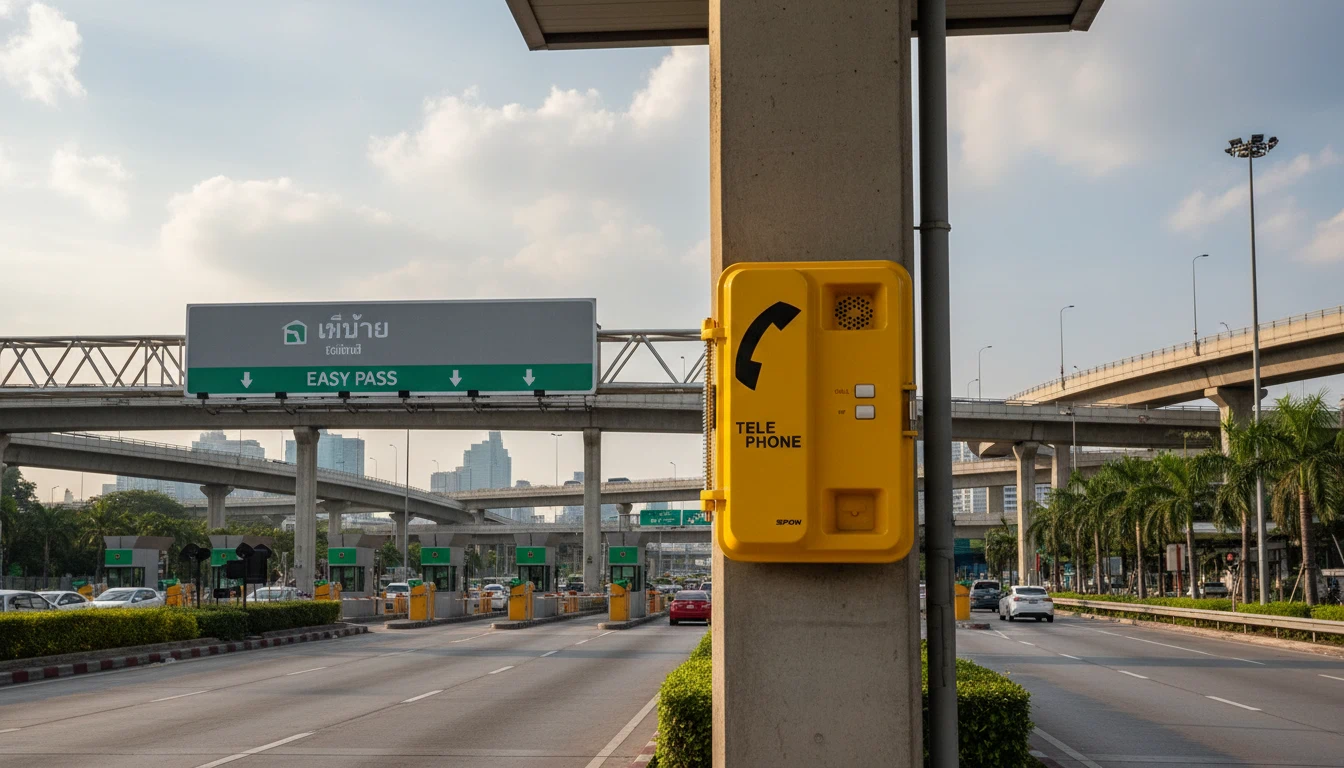
From smart city construction in Ecuador to transportation arteries in Thailand, from infrastructure projects in the UAE to industrial parks in India, our Emergency Call Box is safeguarding public safety in numerous countries and regions around the world with its outstanding stability and real-time response capabilities.

Conclusion

IP emergency call boxes and poles are essential components of modern public safety infrastructure. By leveraging IP networks and SIP technology, these systems provide reliable, scalable, and effective emergency communication solutions. The XC-9201V Industrial Outdoor IP Video Intercom exemplifies how advanced design and robust construction can meet the demanding requirements of industrial and public safety applications.For facilities seeking comprehensive emergency communication solutions, investing in IP-based intercom systems represents a strategic decision that enhances security, improves response times, and ultimately saves lives.
FAQS
Q1: Can IP emergency intercom systems work without internet?
Yes, systems like the XC-9201V support offline intercom functionality, allowing devices to communicate directly with each other even when the central server is unavailable.
Q2: What is the maximum distance between emergency devices and the central server?
With standard IP networks, distances depend on network infrastructure. Using fiber optics and network switches, systems can cover facilities spanning several kilometers.
Q3: How do IP emergency intercom systems integrate with existing security systems?
These systems use standard SIP protocol and IP networking, allowing integration with CCTV systems, access control, fire alarms, and other network-based security equipment through central management software.
Q4: What maintenance do IP emergency call boxes require?
Modern IP systems feature remote management capabilities, enabling firmware updates, health monitoring, and diagnostics without on-site visits. Periodic physical inspection and cleaning are recommended for optimal performance.
Q5: Are IP emergency intercom systems suitable for harsh environments?
Yes, industrial-grade devices like the XC-9201V are designed with IP65+ protection, rugged construction, and features like automatic door covers to withstand dust, moisture, extreme temperatures, and challenging industrial conditions.