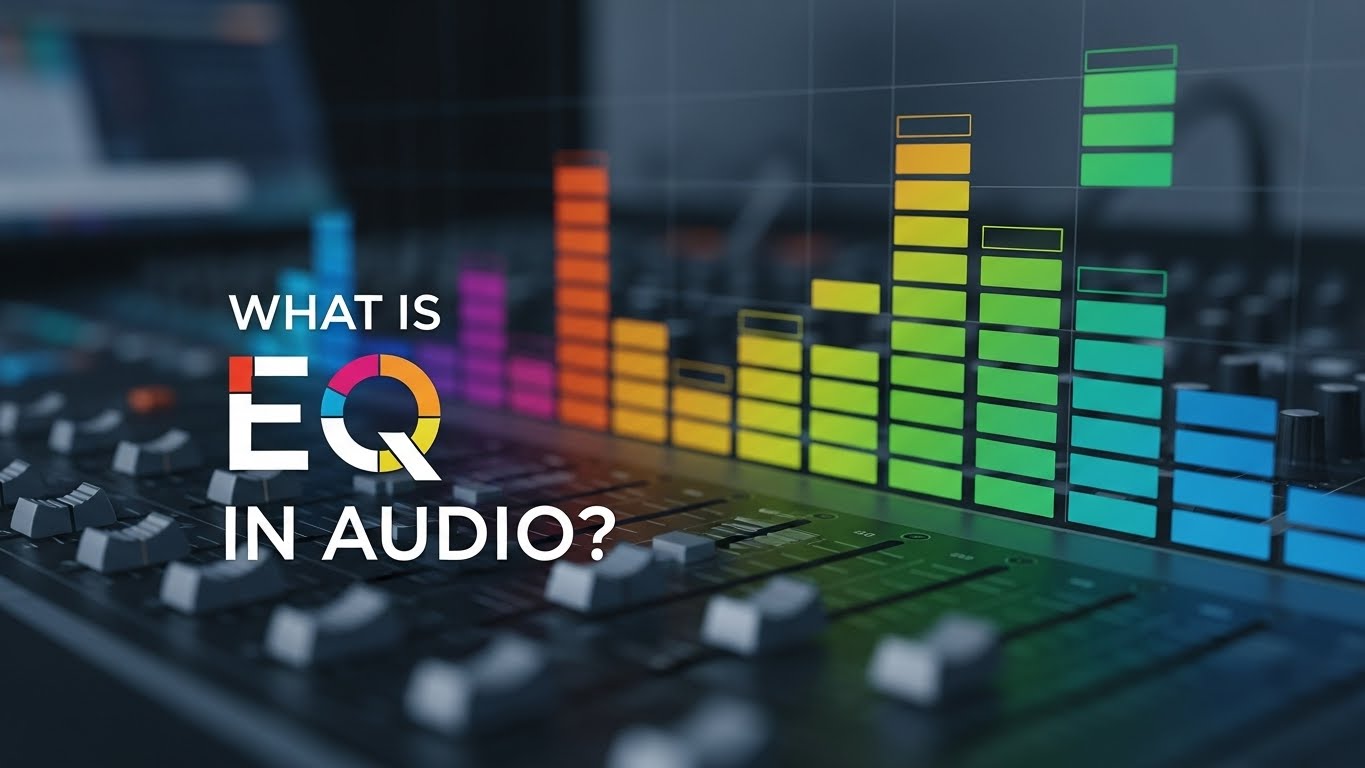
Q1: What Does EQ Do to a Sound? 

EQ changes how a sound feels by adjusting different frequency ranges. It can make sound clearer, fuller, or thinner. Poor EQ settings can cause empty sound, muddiness, or low-frequency noise. 60–100 Hz (Bass Weight):Controls bass depth. Too little sounds empty; too much causes low-frequency hum. 100–150 Hz (Warmth):Affects fullness. Too little sounds thin; too much creates a dull tone. 150–300 Hz (Voice Body):Shapes voice strength, especially male voices. Too much sounds muddy; too little sounds weak.
Q2: Which EQ Is Best for Speakers?
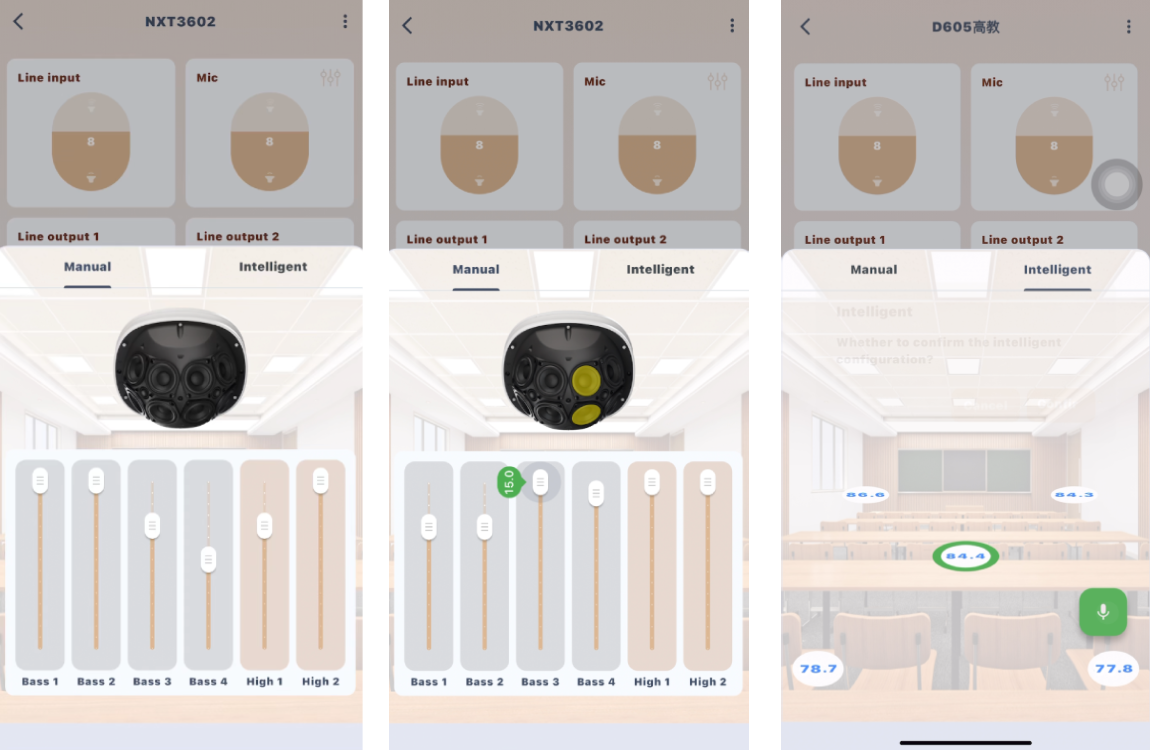
The best EQ for speakers is one that matches the application and system design. Parametric EQ is widely used in PA, conference, and paging systems because it allows:Precise frequency selection,Adjustable gain for each band,Control over bandwidth (Q value).This makes it ideal for room tuning, feedback control, and speaker optimization. Graphic EQ uses fixed frequency bands and is easier to operate. It is suitable for:Basic speaker tuning,Small systems,Users without technical training.However, it offers less precision than parametric EQ. In modern speaker systems, the best option is DSP-based EQ, which is often built into:Network speakers,IP amplifiers,Audio processors,DSP EQ allows remote control, presets for different spaces, and consistent performance across large systems.



 2026-01-16
 Author: cora
 Page view: 1314



 AR
AR
 EN
EN