


 2024-08-01
 Author: SPON COMM
 Page view: 1876
Introduction to SIP Speakers
In today's digital age, effective communication is pivotal for businesses, educational institutions, and remote work environments alike. Session Initiation Protocol (SIP) Speakers play a crucial role in facilitating clear and reliable audio communication over IP networks. SIP, a signaling protocol widely used for initiating, maintaining, and terminating communication sessions, forms the backbone of SIP Speakers, enabling seamless voice communication across various devices and platforms.

What is SIP?
SIP (Session Initiation Protocol) is a signaling protocol widely used for initiating, maintaining, and terminating communication sessions between users over IP networks. It supports various media types including voice, video, and messaging, making it versatile for diverse communication applications.
Technical Foundations of SIP
Session Initiation Protocol (SIP) operates at the application layer of the Internet Protocol Suite (TCP/IP) and is designed to handle various aspects of multimedia communication sessions. Unlike traditional telephony systems, which rely on circuit-switched networks, SIP utilizes packet-switched networks, optimizing bandwidth usage and supporting a wide range of communication types beyond voice, such as video conferencing and instant messaging.
SIP Speakers leverage these capabilities by establishing connections between endpoints (devices) using SIP messages. These messages include requests like INVITE (to initiate a session), ACK (to confirm message receipt), and BYE (to terminate a session), ensuring efficient call setup and management. The protocol also supports additional features like call forwarding, presence detection, and integration with other communication systems, making SIP Speakers versatile tools in modern communication infrastructures.
Features and Capabilities
Audio Quality and Clarity
One of the primary advantages of SIP Speakers is their ability to deliver high-quality audio experiences. SIP protocol ensures that voice packets are transmitted efficiently over IP networks, minimizing latency and jitter, which are common issues in voice communication.
Network Compatibility and Stability
SIP Speakers are designed to operate seamlessly across different types of networks, including LANs (Local Area Networks), WANs (Wide Area Networks), and the internet. This compatibility ensures that users can maintain communication continuity regardless of their location or network setup. Moreover, SIP's robust error handling mechanisms and retransmission strategies contribute to the stability and reliability of voice calls, reducing the likelihood of dropped or interrupted connections.
Security Measures
Security is paramount in any communication system, and SIP Speakers incorporate various measures to protect sensitive voice data. SIP supports encryption protocols such as TLS (Transport Layer Security) and SRTP (Secure Real-time Transport Protocol), which encrypt voice packets during transmission, safeguarding them from eavesdropping and tampering. Authentication mechanisms within SIP protocols further enhance security by verifying the identities of communicating parties, preventing unauthorized access to voice sessions.
SIP Speaker Common Uses
Integrating SIP Speakers with telephone systems involves configuring the SIP Speaker to connect with a VoIP phone system or using a SIP-to-PSTN gateway for traditional phone lines. For a VoIP setup, you'll need to configure the SIP Speaker with the correct SIP credentials and connect it to your network, ensuring it communicates effectively with the SIP server. For traditional phone systems, a gateway will translate between SIP and PSTN signals, allowing the SIP Speaker to interface with conventional phone lines.
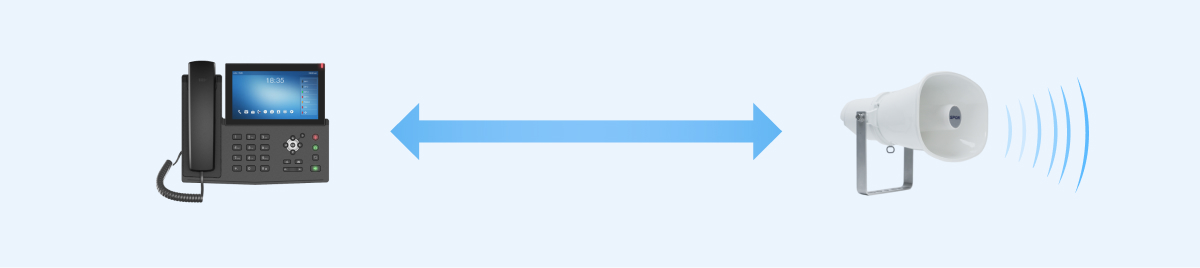
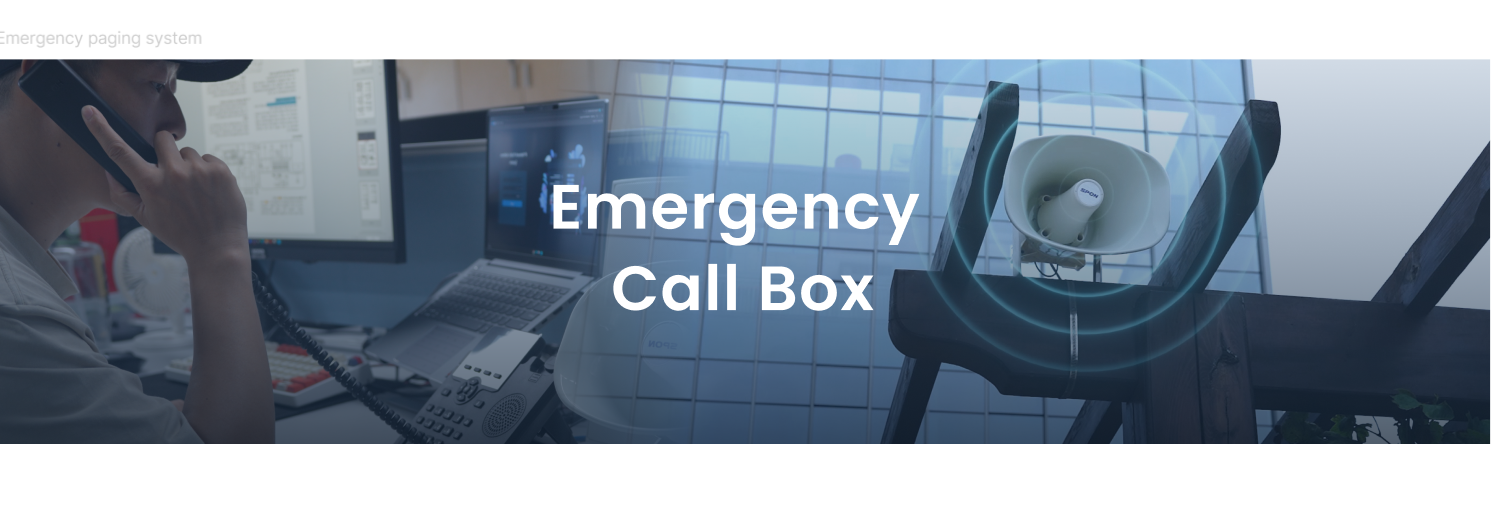
SIP Speakers are versatile tools for applications like announcements, emergency alerts, and customer service notifications. They can be used to broadcast important information in office environments, factories, or public spaces, leveraging the SIP protocol for reliable, real-time communication. Proper security measures, such as encryption and regular maintenance, are essential to ensure the integrity and effectiveness of the integrated system.
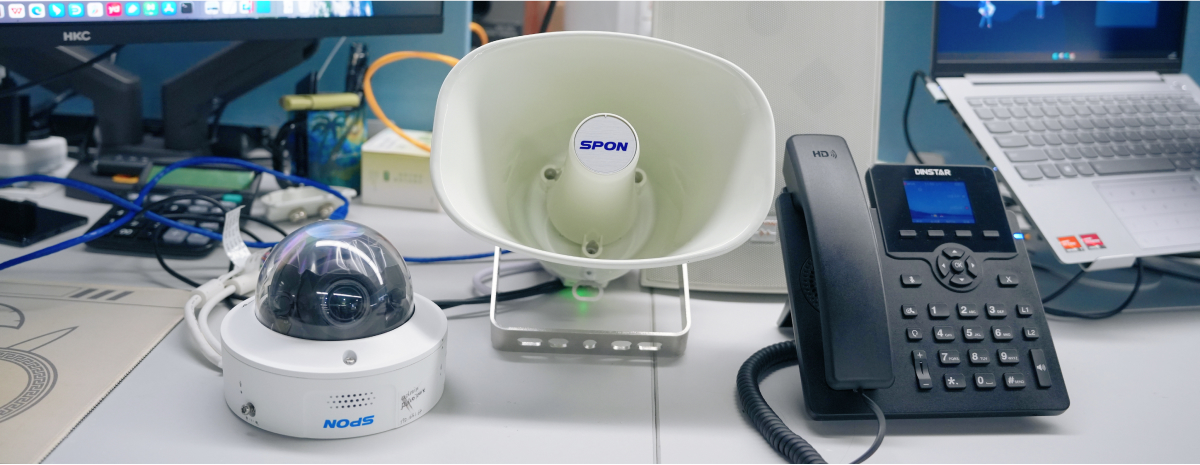
Integrating SIP Speakers with CCTV Cameras enhances security by enabling real-time audio notifications triggered by camera events. When a CCTV Camera detects motion or an alert, the SIP Speaker can broadcast pre-recorded messages or live announcements, providing immediate warnings or instructions. This integration not only allows for instant communication with individuals on-site but also improves overall security management by combining visual surveillance with effective audio alerts.
SPON SIP Speaker Products
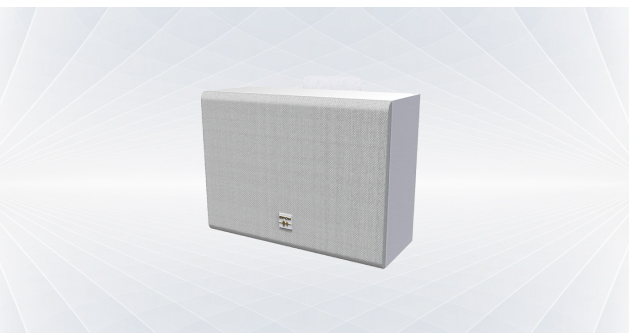
1、XC-9602B IP Cabinet Speaker
- Rated Power Output: 30 watt
- Maximum SPL: 100dB
- Bass reflex subwoofer design with 5” woofer and 3” tweeter, ensuring excellent sound reproduction of human voice.
- Easy configuration via user-friendly web interface.
- All-in-one speaker with built-in network audio decoder, class-D digital amplifier and DSP (digital signal processor), ensuring crystal clear voice intelligibility all the time.
- Work with VoIP telephone system for live voice announcements.

2、XC-9601 IP Outdoor Column Loudspeaker
- Rated Power Output: 60 watt
- Maximum SPL: 101dB
- High-grade aluminum alloy enclosure, suitable for installations in different environments.
- Outdoor weatherproof design, IP rating could reach IP65.
- Easy configuration via user-friendly web interface.
- All-in-one loudspeaker with built-in network audio decoder, class-D digital amplifier and DSP (digital signal processor), ensuring crystal clear voice intelligibility all the time.
- Work with VoIP telephone system for live voice announcements.

3、GEN-6011A03 IP PoE Wall Mount Speaker
- Rated Power Output: 15 watt
- Maximum SPL: 97dB
- Support wideband G.722 HD audio codec, ensuring high clarity and intelligibility.
- Easy configuration via user-friendly web interface.
- All-in-one speaker with built-in network audio decoder, class-D digital amplifier and DSP (digital signal processor).
- Support PoE (Power over Ethernet).
- Work with VoIP telephone system for live voice announcements.
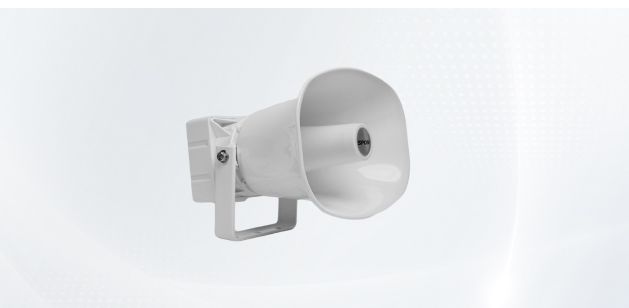
4、GEN-6391A03 IP PoE Horn Speaker
- Rated Power Output: 15 watt
- Maximum SPL: 97dB
- Outdoor weatherproof design, IP rating could reach IP65.
- Easy configuration via user-friendly web interface.
- All-in-one speaker with built-in network audio decoder, class-D digital amplifier and DSP (digital signal processor).
- Support PoE (Power over Ethernet).
- Work with VoIP telephone system for live voice announcements.

5、GEN-6212A01 IP PoE Ceiling Speaker
- Rated Power Output: 10 watt
- Maximum SPL: 100dB
- Support wideband G.722 HD audio codec, ensuring high clarity and intelligibility.
- Easy configuration via user-friendly web interface.
- All-in-one speaker with built-in network audio decoder, class-D digital amplifier and DSP (digital signal processor).
- Support PoE (Power over Ethernet).
- Work with VoIP telephone system for live voice announcements.
Applications of SIP Speakers in Specific Scenarios
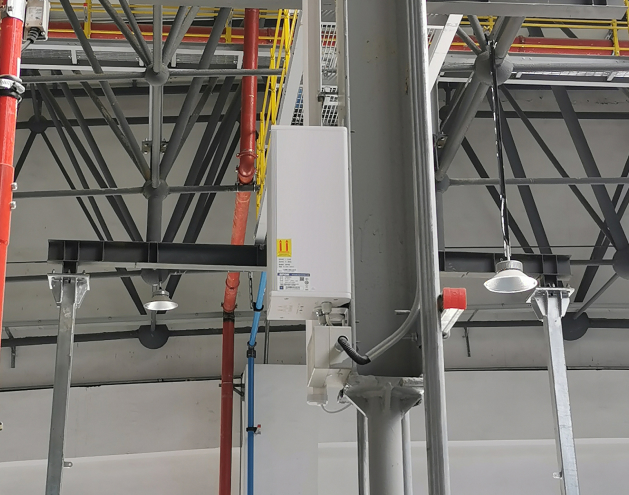
1、Factories
In industrial settings like factories, clear and reliable communication is crucial for operational efficiency and safety. SIP Speakers can be integrated into factory communication systems to:
Emergency Notifications: Instantly broadcast emergency alerts and evacuation instructions across the factory floor in case of accidents or hazards.
Production Line Coordination: Facilitate communication between different sections of the production line, enabling supervisors and workers to coordinate tasks effectively.
Maintenance and Support: Enable remote support and troubleshooting by connecting maintenance teams with engineers or technicians using SIP-enabled devices.
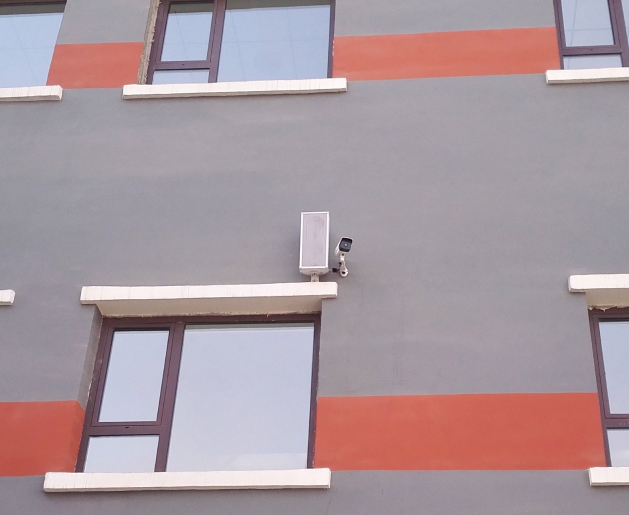
2、Schools
Educational institutions benefit from SIP Speakers to enhance campus-wide communication and safety protocols:
Classroom Announcements: Teachers and administrators can make announcements or broadcast important messages to classrooms and campus areas using SIP-enabled intercom systems.
Emergency Response: SIP Speakers serve as part of the emergency notification system, allowing for quick dissemination of lockdown procedures or evacuation instructions during emergencies.
Administrative Offices: SIP Speakers in administrative offices streamline communication between staff members and facilitate parent-teacher communications via SIP-enabled desk phones or intercoms.

4、Hotels
Hotels utilize SIP Speakers to improve guest experience and operational efficiency:
Guest Room Communication: SIP-enabled phones in guest rooms provide clear communication channels for guests to contact hotel services such as room service or housekeeping.
Front Desk Operations: SIP Speakers at the front desk enable seamless communication between receptionists and guests, ensuring efficient check-ins and inquiries.
Public Areas and Safety: SIP intercom systems in public areas (lobbies, corridors) and back-of-house areas (kitchens, maintenance rooms) enhance security and enable quick response to guest requests or emergencies.
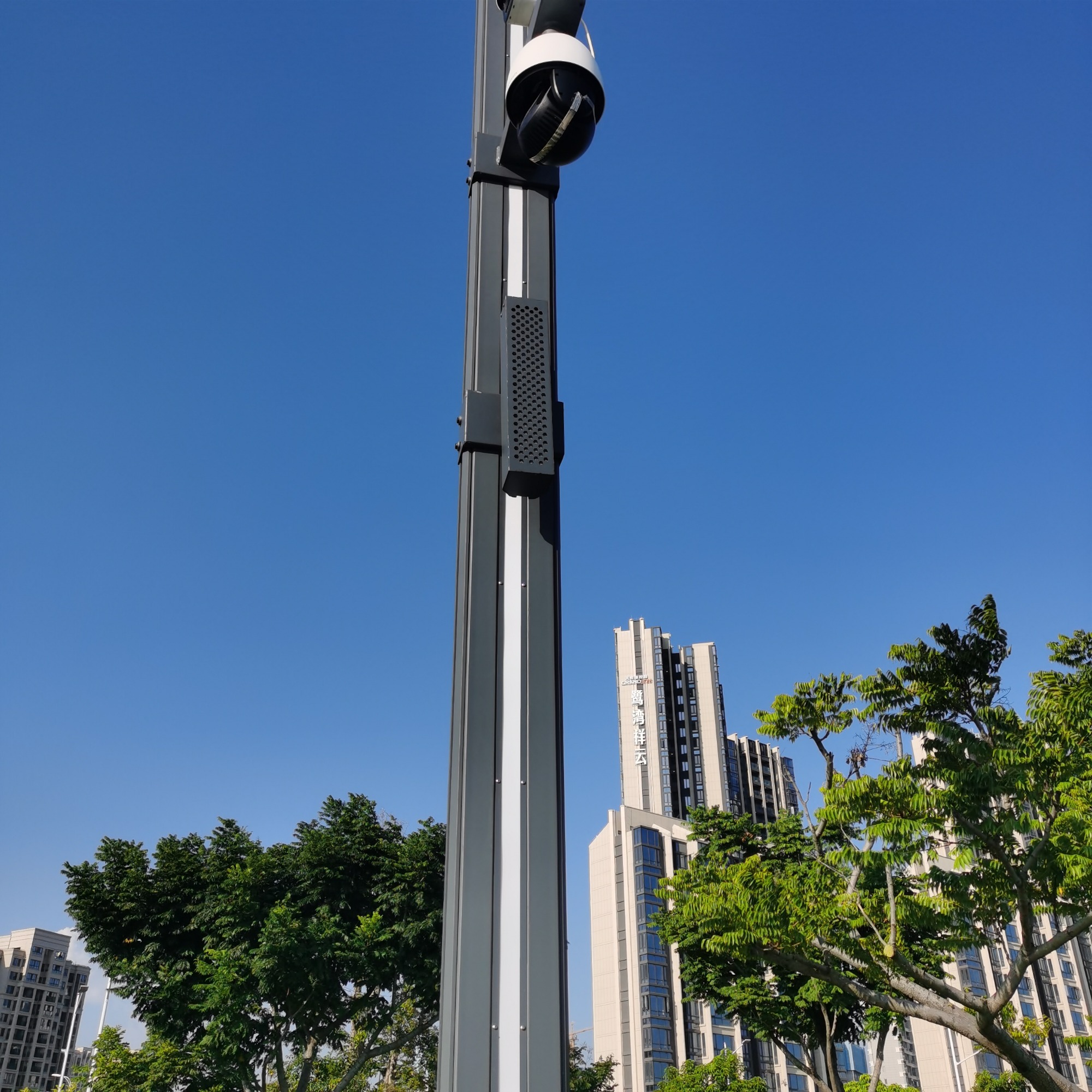
4、Smart Pole
In smart city initiatives, SIP Speakers integrated into lampposts contribute to public safety and urban management:
Public Announcements: SIP Speakers can broadcast announcements related to city events, weather alerts, or emergency situations, ensuring timely information dissemination to residents and visitors.
Security Surveillance: SIP-enabled lampposts equipped with cameras and microphones can serve as part of a city-wide surveillance and security network, monitoring public spaces and enhancing law enforcement capabilities.
Environmental Monitoring: SIP Speakers can be integrated with sensors to monitor air quality, traffic conditions, or noise levels, providing valuable data for urban planners and policymakers.
User Experience and Satisfaction
Ease of Use
User experience is a cornerstone of SIP Speaker design, with manufacturers prioritizing intuitive interfaces and seamless integration with existing communication infrastructures. SIP-enabled devices feature ergonomic designs, customizable settings, and plug-and-play functionality, ensuring ease of deployment and operation for users at all technical skill levels. Enhanced user interfaces and mobile app integration further enhance accessibility, empowering users to manage calls, access voicemail, and collaborate effortlessly from any location.
Audio Performance
Feedback on SIP Speakers consistently highlights their exceptional audio performance, characterized by crystal-clear voice transmission and minimal background noise. Advanced audio codecs and echo cancellation technologies optimize sound quality, ensuring that conversations are natural and immersive. Whether used in boardroom meetings, remote classrooms, or telemedicine consultations, SIP Speakers deliver reliable audio performance that enhances communication clarity and effectiveness.
Customer Feedback
Customer satisfaction with SIP Speakers is reflected in positive reviews and testimonials highlighting reliability, ease of use, and robust feature sets. Users appreciate the seamless integration of SIP devices with existing PBX systems and cloud-based communication platforms, which simplify communication management and reduce operational costs. Ongoing software updates and responsive technical support further contribute to customer loyalty, ensuring that SIP Speaker users receive ongoing value and performance enhancements.
Conclusion
In conclusion, SIP Speakers represent a transformative force in modern communication, enabling organizations and individuals to connect, collaborate, and innovate across geographical boundaries and diverse environments. With their robust technical foundations, advanced features, and diverse applications, SIP Speakers are poised to play a pivotal role in shaping the future of digital communication. As technology continues to evolve and user expectations evolve, SIP Speakers will continue to evolve, offering new opportunities for businesses, educational institutions, and individuals alike.


 AR
AR
 EN
EN


