


 2024-09-06
 Author: SPON COMM
 Page view: 2129
In a factory, the production pace is brisk, and the manufacturing process is complex, with closely connected workflows on the left, right, and in the center. During production, it's often necessary to communicate with relevant personnel, handle emergency safety incidents, or manage operational controls. In environments such as metal processing plants, automotive assembly lines, textile factories, and even mining and quarry operations, noise levels are exceptionally high due to constant operation of machinery like metal cutting machines, high-speed looms, and heavy-duty drills. A stable, efficient, and safe industrial communication system is therefore of utmost importance.

In high-noise factory environments, deploying a public address and intercom system requires special consideration of system stability, reliability, and audio transmission quality under noisy conditions. Here are some key deployment strategies and technical considerations:

1、Choosing the Right Transmission Method
Use IP PA technology, which utilizes Ethernet to transmit digital audio, ensuring high-quality audio transmission and maintaining clarity and stability in noisy environments such as construction sites and shipyards. This technology allows audio to be transmitted in the form of data packets over the network, offering superior interference resistance.

2、Equipment Selection
Choose speakers and audio devices with a high signal-to-noise ratio and strong anti-interference capabilities. In high-noise areas like outdoor activity zones, production workshops, and environments such as woodworking shops and paper mills, it is crucial to use waterproof, dustproof, and corrosion-resistant speakers. Devices like waterproof, dust-proof, cold-resistant, and vandal-resistant video intercom equipment should be considered to ensure the system's long-term stable operation in harsh environments.
3、Zoned Broadcasting
Set up different broadcasting zones according to the various areas of the factory, such as production workshops, office areas, employee living quarters, and outdoor activity zones like those found in chemical plants and steel mills. This allows for independent broadcasting control tailored to the specific needs of each area. For example, the production workshop may require more work instructions and announcements, while the employee living areas might focus on playing background music and break time notifications.

4、Fire Alarm Integration
The system should include fire alarm integration capabilities, allowing it to automatically switch to fire broadcast mode in emergencies, crucial in high-risk areas such as refineries and chemical processing plants. This ensures that critical information can be conveyed quickly and effectively during emergencies, enhancing safety and ensuring the swift evacuation of personnel.
5、System Integration
Utilize an open system architecture that supports integration with other systems, such as video surveillance systems, to achieve audio-video linkage and enhance management efficiency. This integration allows the broadcast system to not only play audio but also work in conjunction with video surveillance, enabling more efficient management and emergency response in diverse environments, from food and beverage processing plants to shipbuilding docks.

6、Power and Backup Strategy
Implement an automated control system to ensure 24/7 operation without manual oversight, especially vital in continuous operations like paper mills and refineries. Utilize power scheduling for automatic on/off control and integrate emergency startup features linked to fire alarms to maintain continuous operation. Additionally, provide backup amplifiers and reserve capacity in the system's zones to accommodate future expansions and adjustments.
How does an IP intercom system work in a factory?

1. Broadcasting Safety Notices
The system plays safety notices and announcements for different areas of the factory, including work zones and production areas like those in mining and textile manufacturing. It supports point-to-point or zoned announcements, emergency broadcasts, and background music, such as temporary notifications or music in the factory.
2. Bidirectional Intercom for Management and Operators
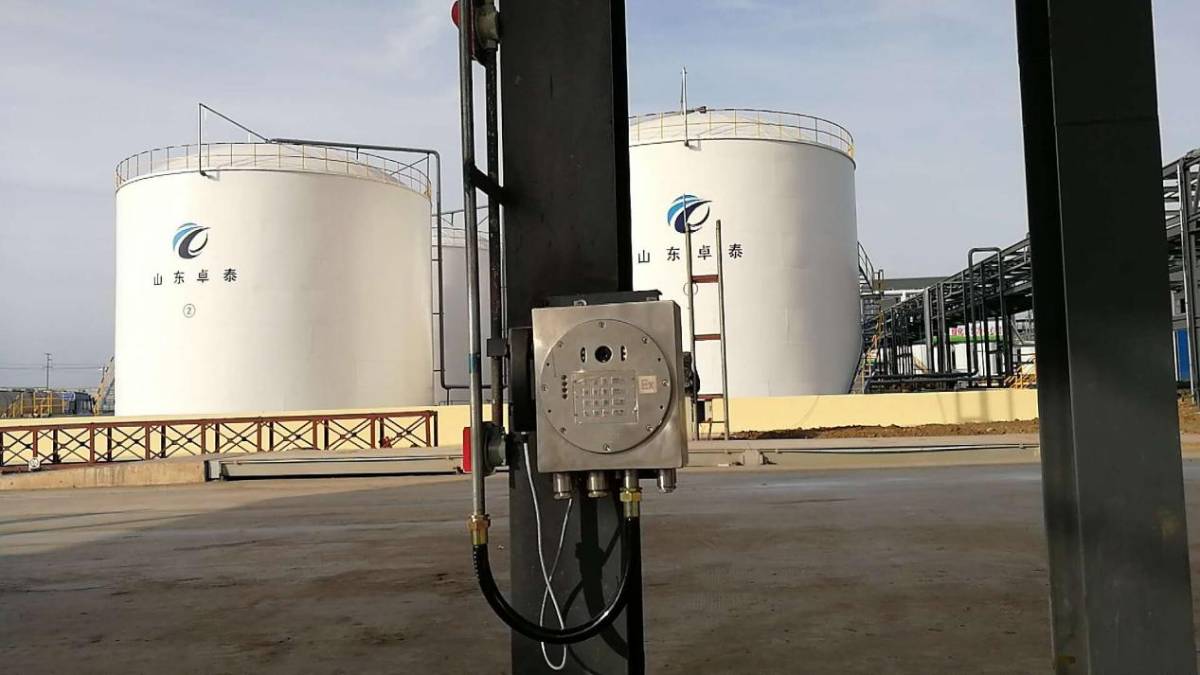
It enables video calls between managers in the control room and staff in the production areas of the factory, including highly noisy zones like automotive assembly lines and chemical plants. Even in a large factory, IP telephony allows for easy communication and real-time monitoring of on-site conditions, using dustproof, waterproof, and auto-noise-cancellation IP phones.
3. Emergency Meetings
In emergency situations, the system allows for cross-area and multi-device communication, enabling command and control calls. It supports full-duplex conference calls with multiple participants, facilitating effective coordination and response during critical situations in high-risk environments.

4. Integration with CCTV
When operators use the IP intercom to initiate broadcasts or intercom calls, it can be integrated with CCTV cameras. This setup allows the control room's large screen to display the camera feed from the IP phone's location, enabling managers to quickly view factory conditions in environments like metalworking shops and heavy machinery plants.
5. External Alarms and SIP Phones
If SIP phones are used in the control room or office, they can communicate with the IP intercom system. Additionally, the IP intercom has an alarm output interface that can be connected to external alarm lights and door locks, facilitating alarm signaling and access control in busy industrial settings.
What are the uses of this PA system in a factory?

1. Multi-Zone Broadcasting Architecture with Point-to-Point Broadcasts
In many large factories with strict functional zoning, broadcasting is organized by different production areas, such as those in shipyards or mining operations. Each production scheduling position has its own broadcast zone, and the production control center (main control room) can perform real-time scheduling for each production position through broadcasting and bidirectional intercom.
2. 24/7 Scheduled Broadcasts and Time Signaling
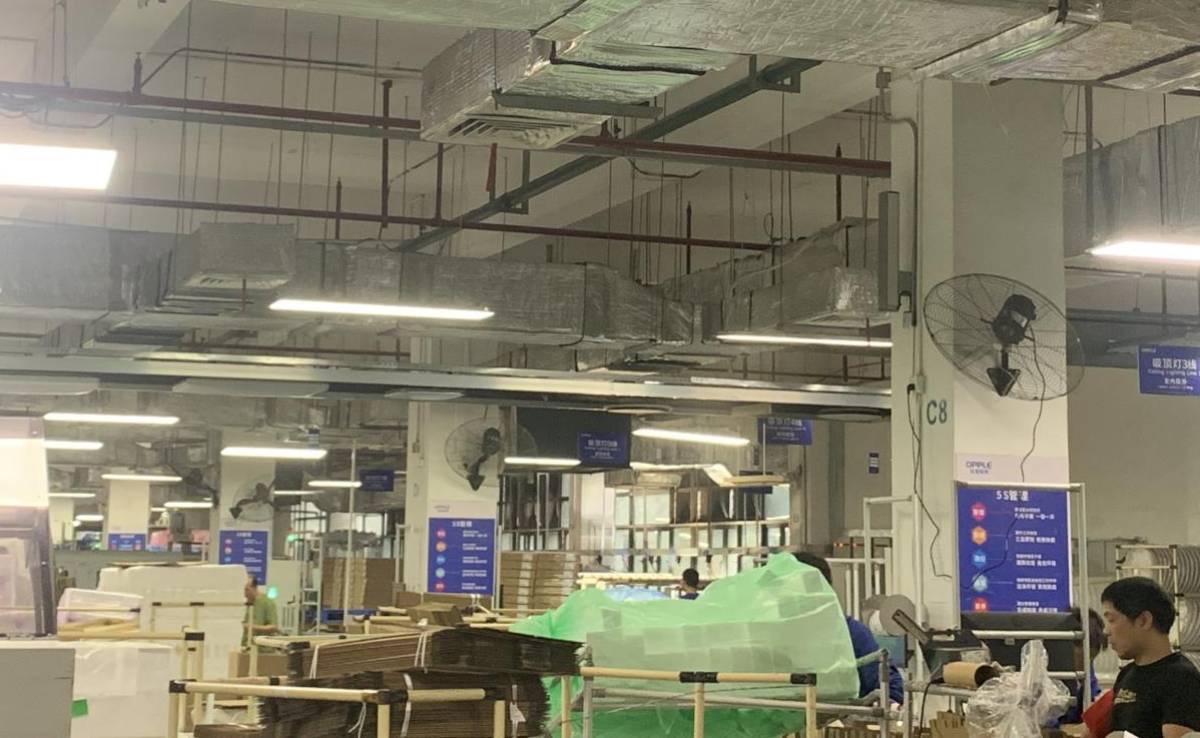
Factories often have different schedules for winter and summer, with specific times for signaling work periods and breaks. High decibel horn speakers are often deployed in high-noise areas like metal fabrication plants and sawmills for their ability to transmit over long distances.
3. Real-Time Background Music On-Demand
Offices at various production scheduling positions can request background music from the main control center in real-time. This allows night shift workers in places like textile mills and automotive assembly lines to stay alert with background music, adjusted via software to suit actual needs.
4. Integration with Fire Alarm Systems
The system integrates with network alarm controllers to receive alarm signals. Pre-set alarm plans on the server software enable alarm linkage functionality, ensuring effective fire safety communication within high-risk industrial settings.

5. Remote Sub-Control Function
The scheduling center's control computer is equipped with sub-control software that connects to the main control server. This allows for remote sub-control management, essential for large-scale operations in environments like construction sites and chemical processing plants.
6. Visual Display Operations
The control console at the scheduling center provides a clear view of the organizational structure, the online status of all factory IP phones, and the operational status of the system. This visual display is particularly useful in high-noise environments, helping facilitate maintenance and management.
An IP intercom emergency PA communication system should feature a simple and reliable overall network architecture design to meet the factory's needs. The system must be secure and dependable, with emergency calls transmitted via fiber optics, simplifying deployment and cabling. Real-time fault synchronization alerts greatly reduce the workload for operations and management staff, ensuring the safety of factory personnel and supporting the daily work of management in even the most noise-intense industrial environments.


 AR
AR
 EN
EN


