


 2025-04-25
 Author: SPON
 Page view: 2810
Professional sound reinforcement systems can collect, process, and amplify sound. Amid the cheers of a stadium with 10,000 people, how can every commentary penetrate the heat and reach the hearts of the audience? Under the dome of a concert hall, how can the vibrato of a violin and the resonance of an organ be accurately placed at each seat? When the collision of ideas in a conference room needs to be captured, the emotional expression on the stage must be clearly expressed—sound has never been a simple signal transmission but a precise dialogue about space, technology, and art.
Basic knowledge of acoustics
Acoustics is the science that studies the generation, propagation, reception, and effects of sound. We can have a preliminary understanding of sound from the following simple and common concepts:

Basic concepts of acoustics
(1)The vibration of an object: sound (sound waves)
(2)The speed of an object's vibration: the frequency of sound (Hz)
(3)The amplitude of an object's vibration: the loudness of sound. The larger the amplitude, the louder the sound.
(4)Hertz (Hz) is the unit of frequency in the International System of Units. It is a measure of the number of repetitions of a periodic change per second.
The three elements of sound
(1)Pitch: the pitch of a sound, commonly known as the coarse or fine of a sound
(2)Loudness: the strength of a sound, commonly known as the large or small of the volume
(3)Timbre: the quality of a sound, the basis for distinguishing the sound-producing body (material, structure, etc.), related to the vibrating medium, and contains simple harmonic and composite wave components.
Professional sound reinforcement terms
(1) Rated or continuous power refers to power that does not impair sound quality or speaker distortion for more than 8 hours.
(2)Music power: the power consumed by audio equipment during simulated music performance, i.e., the power required to play for 1 minute, rest for 1 minute, and operate constantly for 8 hours without destroying the equipment. The rated power has a reference value that is typically 3-5 times the rated power.
(3)Peak power is the greatest strong pulse that audio equipment can endure within 1/100s, or 10ms, without burning out. This power is often eight to ten times the rated power. This power can easily mislead buyers into believing that the equipment is extremely powerful.
(4) Sound pressure level: Sound pressure level is a standard for measuring the volume of sound, with the unit of dB (decibel). The sound of a person speaking is generally 60-70 dB.
(5) Sensitivity refers to a speaker's ability to produce sound pressure at a distance of 1 meter when powered by 1 watt. Sensitivity describes the speaker's efficiency in turning electrical power into sound power. The more sensitive, the more efficient.
(6)Coverage, also known as directivity, refers to a speaker's capacity to send sound waves in all directions. Its purpose is to illustrate how the speaker's sound pressure is distributed in space, as well as the angle that the speaker can cover. In general, the narrower the coverage, the smaller the speaker coverage, and the greater the transmission distance. The wider the coverage, the greater the speaker coverage and the shorter the transmission distance. Controlling the speaker's sound area requires a thorough understanding of its directivity.
(7) Signal-to-noise ratio: the ratio of useful signal to noise, in dB. The larger the signal-to-noise ratio, the better the sound quality.
(8) Frequency response: the response range of sound frequency, in Hz. The range of sound that ordinary people can hear is 20Hz~20KHz.
(9)Distortion, also known as THD. In the power and discharge circuits of multimedia speakers, the THD index refers to the total harmonic distortion when the f=1KHz sine wave input is used and the power is half of the rated output power. The lower the total harmonic distortion, the better.
The structure of professional sound reinforcement system
Sound reinforcement systems primarily collect or play sound signals from sound sources (microphones, sound source players), mix and pre-process the signals through a mixer, and then connect to peripheral devices such as equalizers, effects, feedback suppressors, and so on in order to optimize and modify the sound. After the audio processor has completed the frequency division, routing, and algorithm optimization, the signal is amplified by the power amplifier (power amplifier) before being restored to high-quality sound by the speaker. All links work together to ensure that the sound is clear, balanced, and stable.
Introduction to common equipment
Speaker
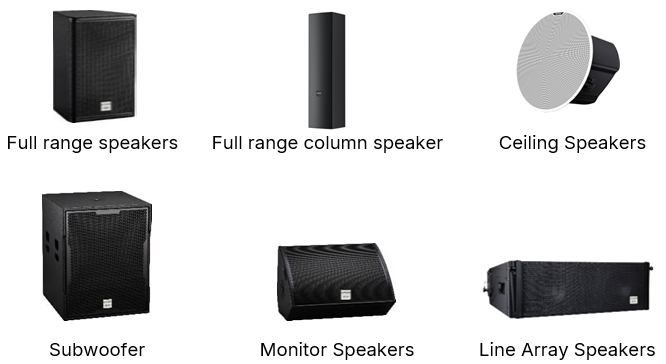
A speaker is an autonomous device that is typically made up of a separate speaker and a cabinet or a speaker device that includes many speakers with distinct radiation frequency bands, crossovers, cabinets, sound-absorbing cotton, and so on. It is an electroacoustic device that converts electrical energy into sound energy, as well as a sound amplification device that allows the human ear to directly and subjectively perceive sound.
Microphone
① A microphone, sometimes known as a microphone, is a transducer that transforms sound to electrical impulses.
② The microphone works by transmitting vibrations to the diaphragm, which pushes the magnet inside and creates a changing current. This current is then delivered to the sound processing circuit for amplification.
③ Microphones are classified based on their purpose, such as measuring, vocal, instrument, or recording.
④ Directivity is classified as cardioid, acute cardioid, supercardioid, bidirectional (8-shaped), or omnidirectional.
⑤ Electret microphones are small in size and low in cost and are widely used in telephones, mobile phones, and other devices.

Mixer
The mixing console amplifies, mixes, distributes, adjusts, and processes the sound effects of numerous input signals before sending them to the bus. In modern radio broadcasting, stage sound reinforcement, and audio program production systems, the mixing console is an essential tool for broadcasting and recording programs. Depending on how the signal is output, mixing consoles can be classified as analog or digital.

Audio Processor
Sound reinforcement systems bring great convenience to debugging. Audio processors are also one of the peripheral devices of professional sound reinforcement. In systems using analog mixers, the role of processors can be fully utilized. The main functions used in the input part are the expander, equalizer, and compressor; the output part: delay, crossover, equalizer, limiter, and positive and negative phase. At the same time, the most commonly used function is matrix mixing (routing).

Introduction to the functions of each speaker
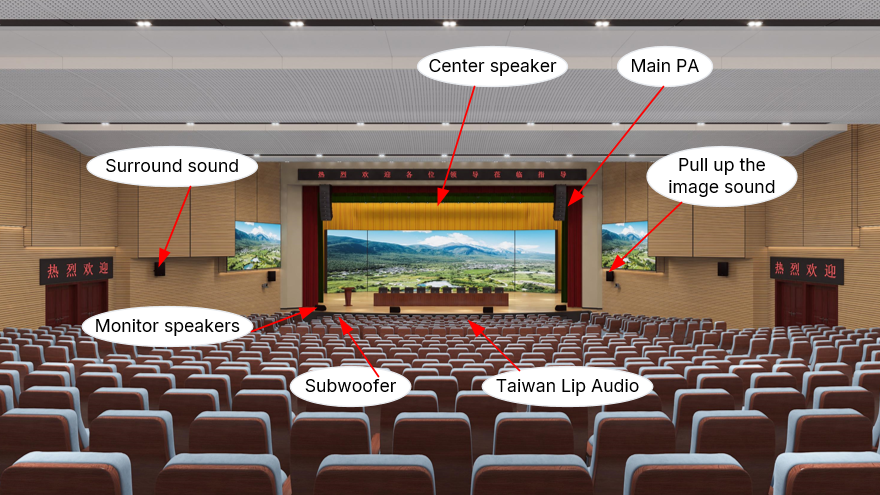
In professional sound reinforcement scenarios, the speaker system is typically classified as main speakers, pull the sound box, stage entrance sound box, subwoofer, stage return speaker, surround sound speakers, and center speakers based on the various sound field coverage needs and functional positions. The following is a detailed description of each type of speaker based on two aspects: location and functional qualities.
(1)Main speakers: Hang them as high as feasible to provide a consistent sound field throughout the venue. In theaters and conference halls, they should be hung on the top of the stage entrance (sound bridge), in dance halls, above the dance floor, and in small and medium-sized multi-purpose halls, on the subwoofers on both sides of the stage.
(2) Pull the sound box: Install full-range, image-pulling speakers on all sides of the stage.
(3) Stage entrance sound box: Add a sound box on the stage lip when necessary
(4) Subwoofer: Typically found on the floor in dance halls, on the sound bridge at the stage entrance in theaters, and beneath the primary speaker in multi-purpose halls.
(5) Stage return speaker: Placed at the stage entrance facing the actors.
(6) Surround sound speakers: Situated on the left, right, and back sides of the auditorium to give surround sound effects when presenting movies and projections. They can also be used as fill sound in meetings to make the sound field more uniform, but the sound pressure should not be too high to ensure that hearing and vision remain consistent.
(7) Center speaker: If the stage is wide and the main speaker angle is insufficient to cover the entire venue, place a speaker in the center of the stage for complete sound reinforcement.
Three major speaker layouts
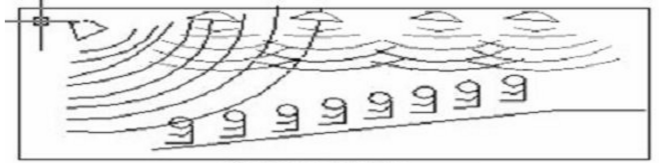
In sound reinforcement systems, the installation layout of speakers needs to be scientifically planned based on factors such as the venue's acoustic environment and usage requirements. It can usually be divided into three types: centralized layout, decentralized layout, and mixed layout. The following will explain in detail the characteristics and applicable scenarios of these three layout methods.
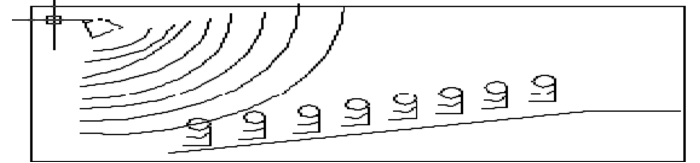
(1) Centralized layout
① Good sound clarity
② Good and natural sound directionality.
③ Suitable for setting up a stage and requiring consistent audio-visual effects.
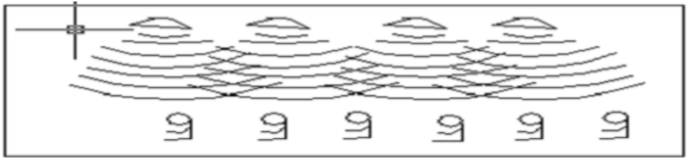
(2) Dispersed layout
① Easy to make the sound pressure evenly distributed
② Easy to prevent howling
③ Suitable for halls with low net height and long longitudinal distance or the hall may be divided into several parts
(3)Mixed layout
① The sound is clear in most seats
② The sound pressure is evenly distributed, and there is no low sound pressure level area
③ Some seats can hear the sound of the main speaker and the auxiliary speaker at the same time
④ Suitable for large halls or halls with long vertical distances, and audio-visual halls with audiences in all directions
Basic knowledge of sound-absorbing materials
The reverberation time of the sound field in the venue is mostly determined by the building structure and interior design. Therefore, if you want to increase the sound field environment, you need to do it through acoustic decoration. The primary methods of acoustic material ornamentation are as follows:

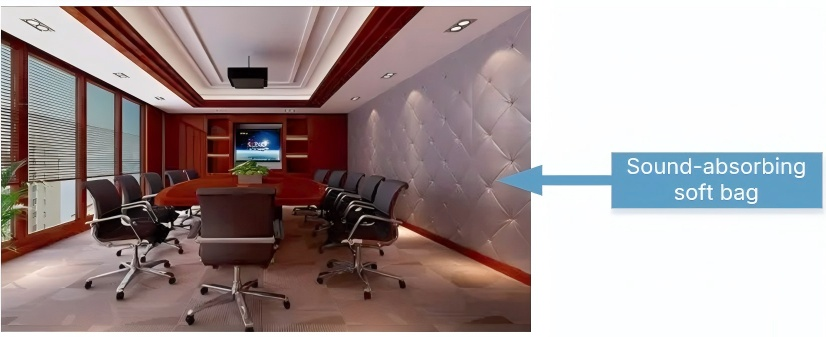
It is recommended to use sound-absorbing panels or sound-absorbing soft packaging to decorate the room walls. This design can effectively absorb the high-frequency part of the audio signal and prevent the occurrence of acoustic feedback.
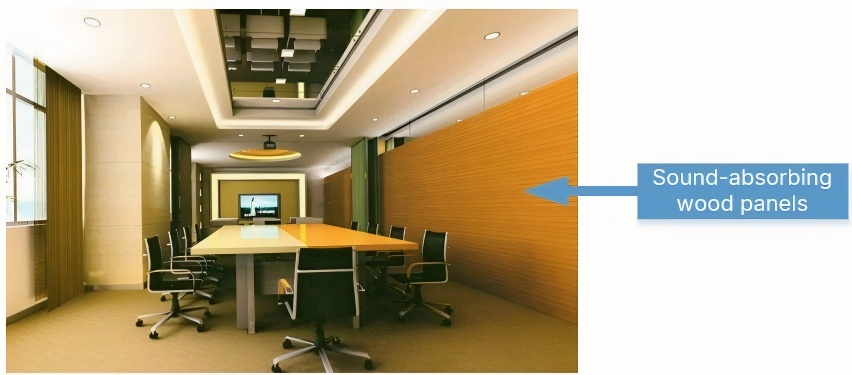
It is advised that the walls surrounding the chamber be mostly comprised of corrugated sound-absorbing shapes. At the same time, avoid having all wall surfaces the same height and aim to make the overall wall surface more uneven to enhance the sound absorption effect. Specific methods: You can create ornamental shapes or soft decorating packages for the walls.
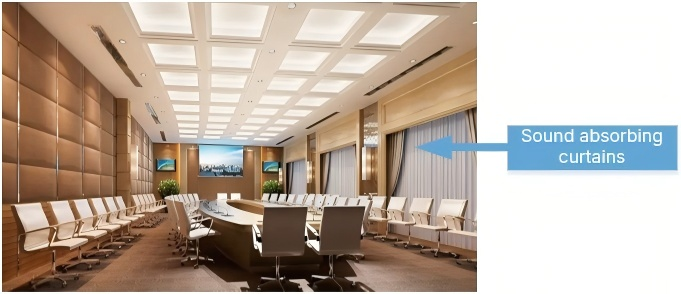
When selecting curtains, try to choose heavier fabrics like velvet and install them at a distance of at least 15 cm from the window. Creating a hollow effectively absorbs the low-frequency component.
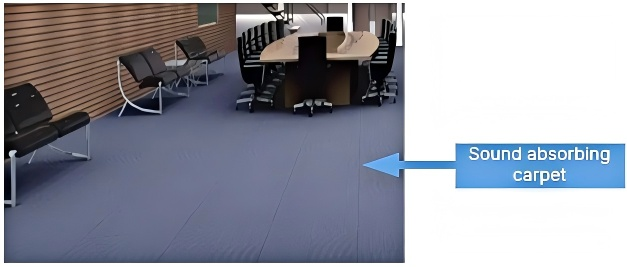
It is advised that the room's floor be covered in thick, breathable carpets. This design effectively absorbs the high-frequency component of the audio stream, preventing acoustic feedback.
Professional sound reinforcement application scenarios
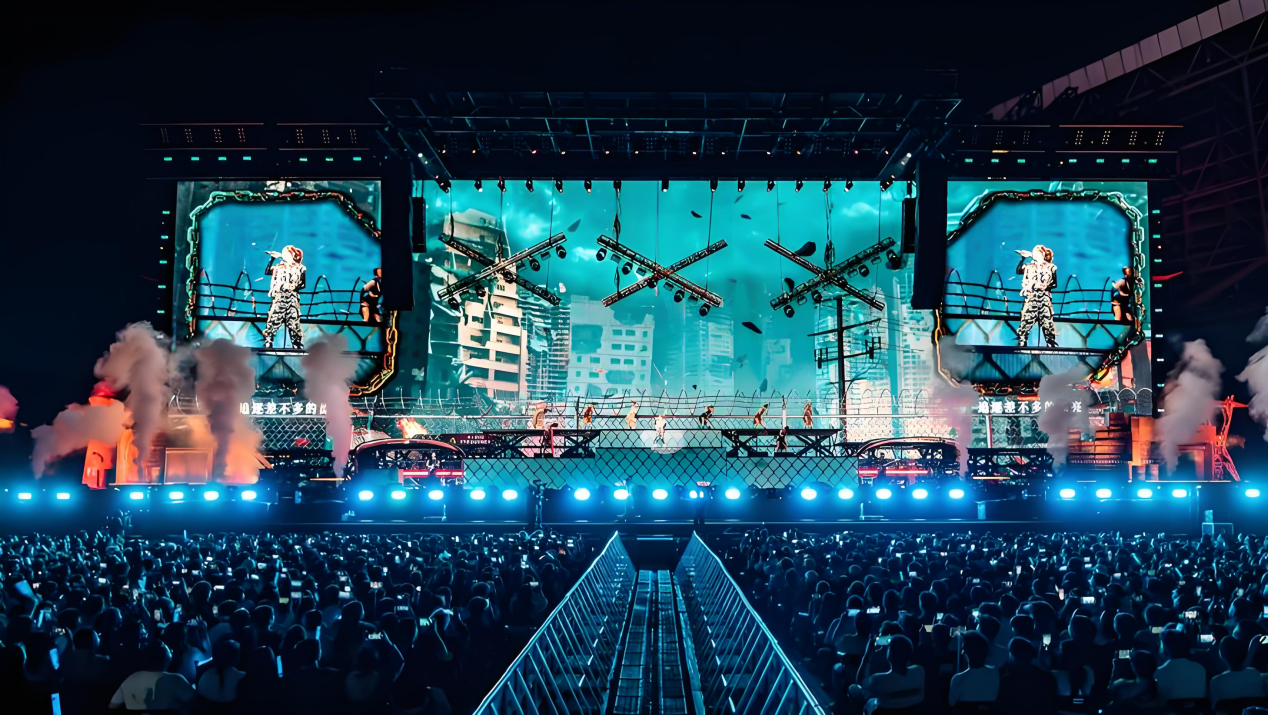
1. Large-scale performances and concerts
Sound reinforcement systems are required for large-scale concerts, music festivals, and other events. They must suit the needs of singers, bands, and other performers by amplifying their voices and producing dazzling sound effects to the audience. Long-distance sound transmission and high-quality sound reproduction can be achieved by properly arranging line array speakers and precisely adjusting audio processing equipment, allowing each audience member to immerse themselves in the music atmosphere.
2.Sports venues and events
Sports venues, such as basketball courts, football fields, and swimming pools, are huge in size, complicated in structure, and have a large crowd.Sound reinforcement systems must ensure that the referee's whistle, broadcast notifications, on-site commentary, and other sounds are transmitted to every part of the stadium while background music is played to create a welcoming ambiance. Line array speakers can match the acoustic requirements of sporting venues thanks to their wide coverage and robust sound pressure level output.

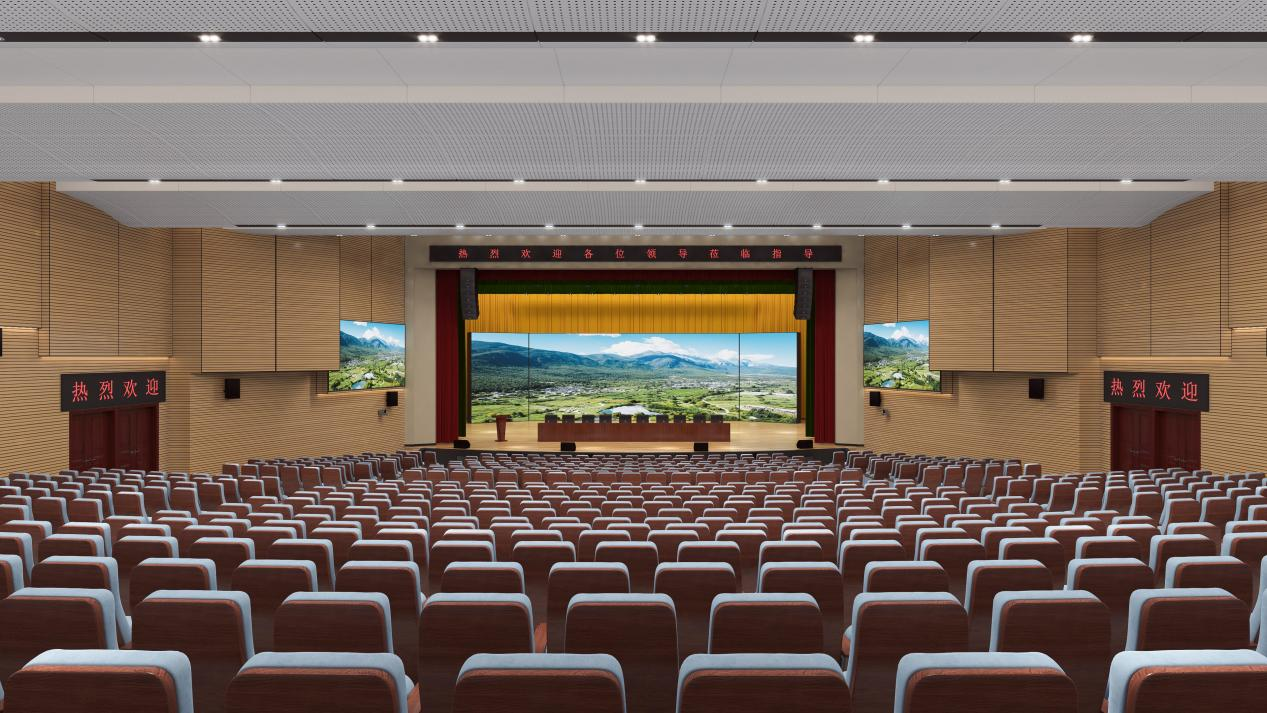
3. Conference Center and Lecture Hall
The primary purpose of sound reinforcement systems in conference centers, lecture halls, and other settings is to assure speech clarity and intelligibility in conference speeches, reports, and lectures. Environmental noise interference can be reduced by employing high-directivity microphones, an appropriate sound field design, and the noise reduction feature of audio processing equipment, which allows the audience to hear every word. Furthermore, the system can be integrated with video conferencing and simultaneous interpretation systems to satisfy the needs of many types of meetings.
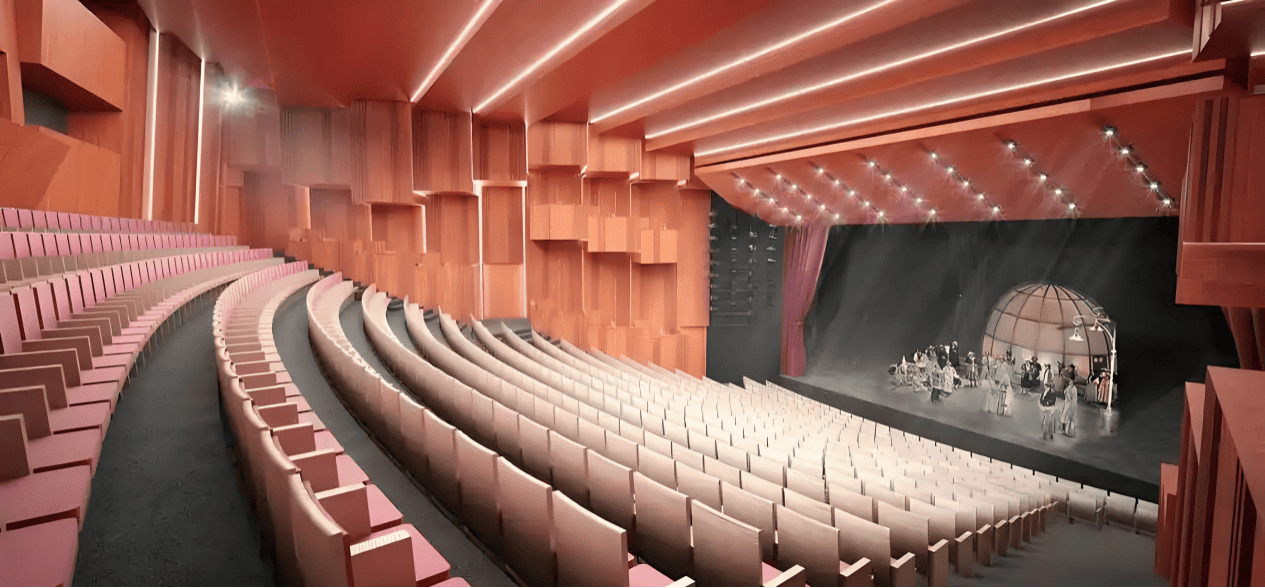
4.Theatre and Auditorium
Theaters and auditoriums are locations for dramas, operas, concerts, and other magnificent performances, with exceedingly high sound quality and expressiveness requirements. Sound reinforcement systems must be able to exactly reproduce the performers' singing and the sound of musical instruments, as well as provide an ideal acoustic environment for the audience to feel the enchantment of art. Spatial location and sound layering can be accomplished with appropriately engineered speaker arrangement and audio processing, resulting in improved performance.
Conclusion
In the field of professional audio, professional sound reinforcement is a technical system that achieves high-quality sound collection, processing, amplification, and sound field coverage through scientifically designed equipment systems. In this article, we introduce the basic concepts, core equipment, speaker layout, and basic knowledge of sound absorption of the sound reinforcement system.
When selecting and operating a sound reinforcement system, you should examine variables such as demand, equipment selection, acoustic design, and after-sales support to ensure that the system performs optimally and provides solid assurances for the smooth growth of varied activities.
If you are seeking for a sound reinforcement system that is ideal for your setting, please contact us. We will offer you a comprehensive choice of solutions and high-quality services to make sound transmission more professional and fun!


 AR
AR
 EN
EN


