Sound System Design: A Step-by-Step Guide 2026
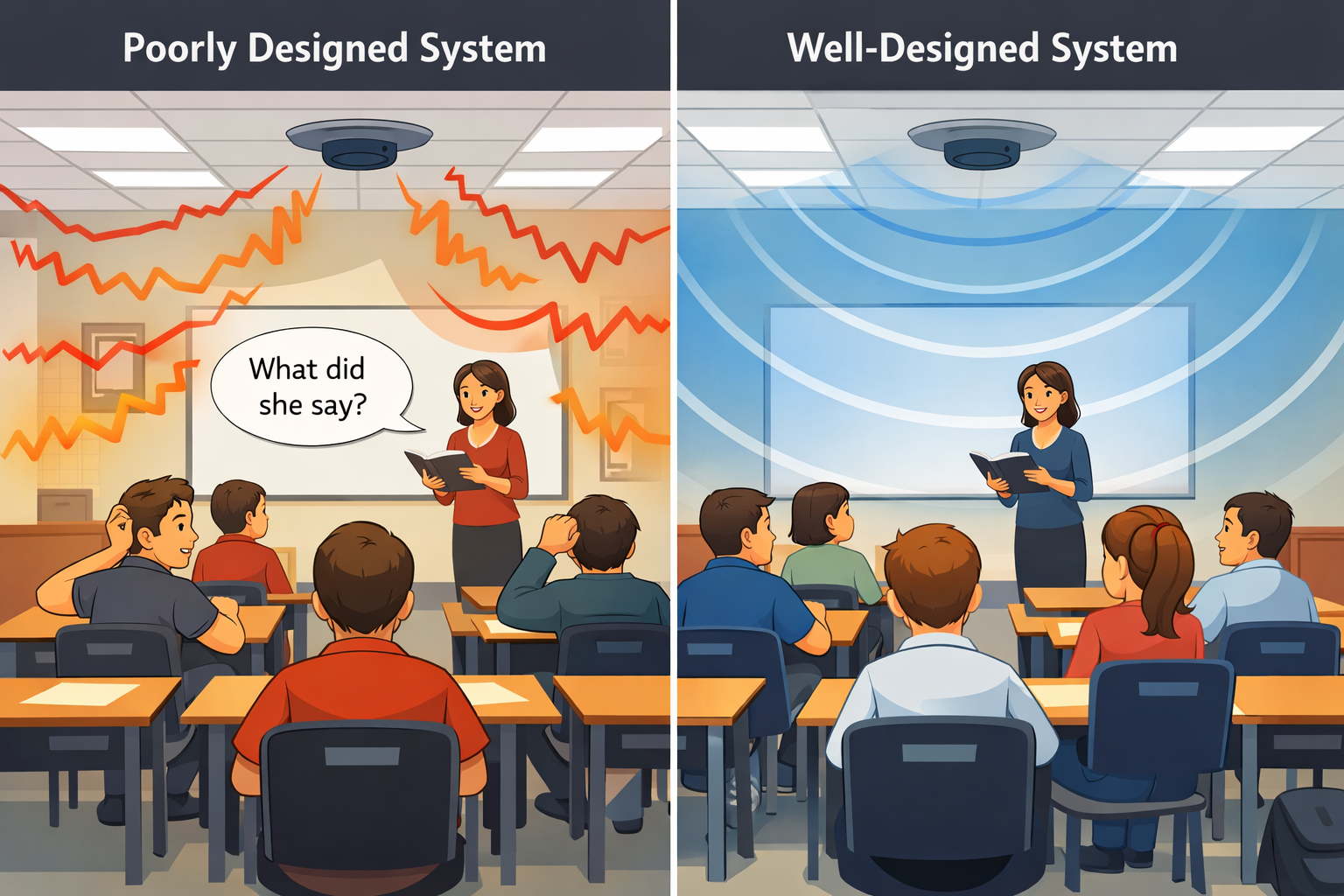
A poorly designed sound system can lead to uneven volume, unclear speech, and listener fatigue, ultimately reducing communication effectiveness. In contrast, a well-designed sound system provides even sound coverage and high speech intelligibility, ensuring that no listener has a poor listening experience. In this article, we will discuss how proper sound system design can significantly improve overall audio performance.
What is sound system used for?
Usage
The initial stage in the planning of a sound system is to establish the purpose. Is it background music, music live, speech amplification or a home theater? This will facilitate the choice of the required equipment and set up. Work for the purpose being the solution, the general command rule constitutive of designing a sound system is that ro realise what of the client wants. In the subsequent sections, we shall discuss with each other to find how we could gather the facts on the objective, and present an appropriate solution.
Fidelity and Volume
Is the system required to provide the high-fidelity sound to be able to listen critically, or it is going to be used as the general background? In their case, with school, they might simply require the overall audio of the day-to-day announcements. However, in the case of the office meeting room, they might require a quality sound system with high sound quality to depict a good brand image to all the clients who visit the facility.At this, required volume is also required. An example is the large auditorium which will require a lot of power as compared to a small retail store. There is only one specefication which is used to determine the loudness-sound pressure level in sound system design. It is also necessary to have a suitable pessure level of sound in the audio coverage design.
Area of Coverage: Spearheaded or Narrow Areas?
Determine whether the sound system is to serve a huge area or a specific zone. Sound coverage is also one necessary item of the designing. The environments, which need even distribution of sound like a hall and gym etc, demand a wide converse of sound to ensure that everyone may hear well and those that do not need sound very widely, like those found in a conference room, only demand localized sound to ensure that no one will be interrupted.
Venue: Indoors or Outdoors, size, shape, and Materials.
Sound propagation depends on the kind of venue used, be it indoor or outdoor. Hard textures (as with concrete) echo sound, whereas soft ones (as with carpets) absorb. The acoustics are also affected in the shape and size of the room. The protection solutions are paramount: indoors, the standard of protection is usually applied; however, outdoor conditions present more cross-cutting, i.e., rains, dust, and salt discharge may affect sound systems.
Integration: Do the Systems Have to be integrated?
In other configurations others like CCTV or intercoms have to be integrated. In such projects, the sound system is not operating separately hence it is one of the components of the entire security system. These are requirements that should be understood in advance to provide a hassle free connectivity and prevent integrations problems in future.
Examine the Space and Acoustics Characteristics
Room Shape and Size:
Room geometry has a great influence on sound reverberation and sound collection. During irregular shapes, there will be dead spots, whereas in the large and open spaces, there should be more speakers to prevent coverage gaps. In large spaces such as GYM or Theatre we might have to think of adding more speakers to give adequate coverage of the sound, but in small spaces such as class rooms or meeting room, few speakers could be an adequate number of speakers to give a nice sound effect.
Materials:
Hard surfaces such as glass and concrete reflect sound whereas soft surfaces such as carpets and curtain absorb sound. This is to be considered when positioning speakers in order to maintain an equal audio quality throughout the area.
Ambient Noise:
In the case of very noisy spaces (e.g. factories or schools), the ambient noise might be too high to be cut by a smaller system. The volume and the clearness of the speakers are supposed to be changed in the same way. This is a recommendation we can make here, the Sound press level of sound system must be 12-15 dB above insallation environment in order to secure appropriate distribution of sound.
Speaker Installing and installation:
The type of speaker used is also essential and it is important to select the one that fits best bookshelf, floor-standing, or line array systems all will fit best in specific areas. Note the proximity between them and walls and ceiling. Installing them on ceilings is suited to areas where it may not be possible to create floor space, whereas installing on the walls or hanging provides freedom in a larger feature.
Choose the Right Equipment
1. Speakers:
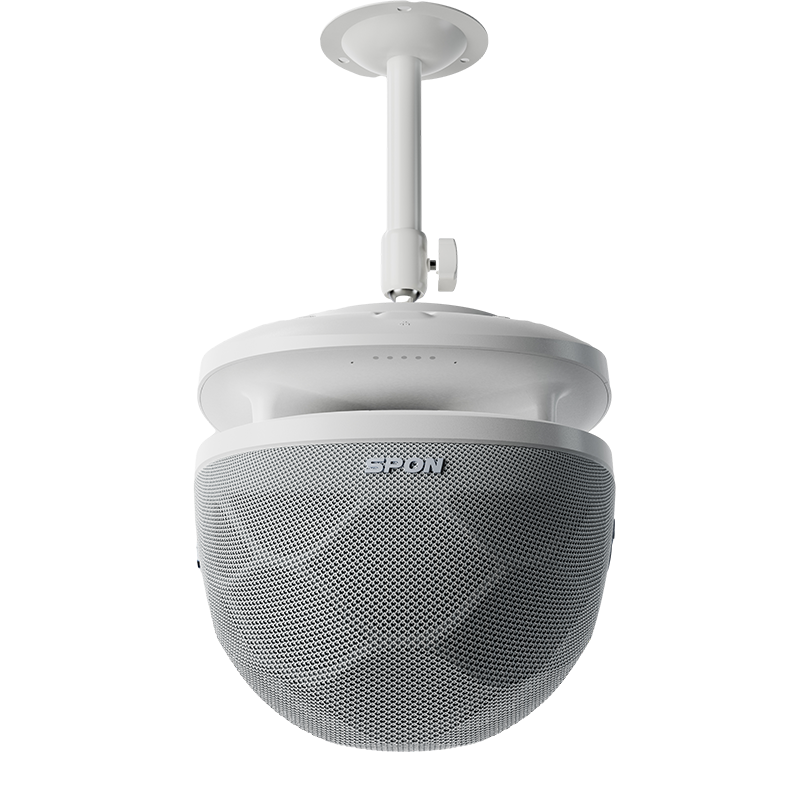
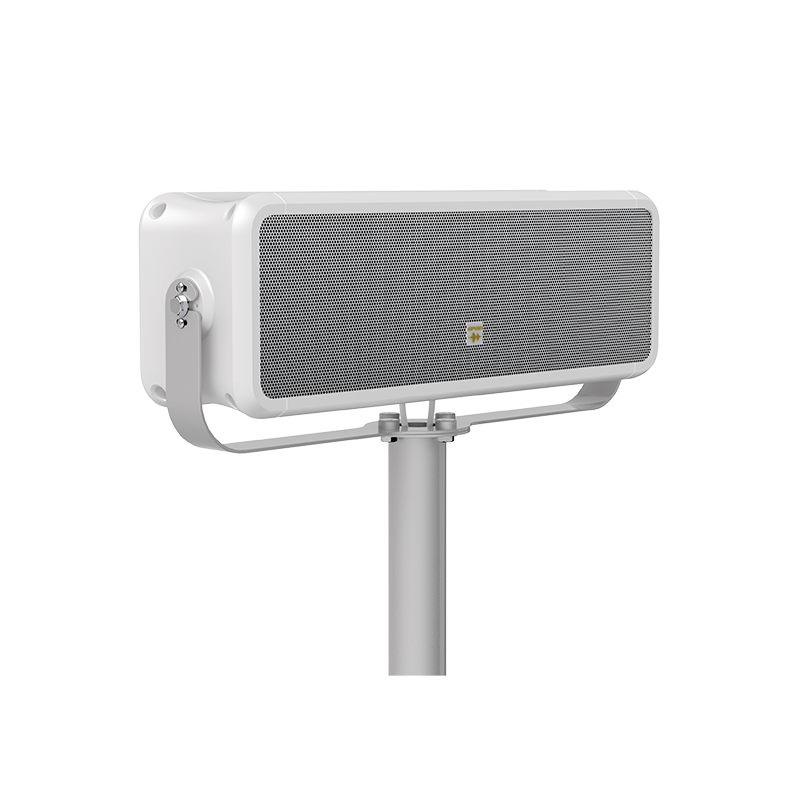
Choose speakers according to the size and the acoustic requirements in the room. Microchip-based high-quality tweeters and woofers give it the ability to produce full range sound which is powerful and clear. Make sure that the speakers are able to cover the area they are supposed to. In addition, the installation environment restricts the choice of speakers, as well. Whereas we desire to select the ceiling speakers in the room, the room should have a ceiling to enable embedded installation.In large occupancy, wide floor area, classrooms, the challenge is to bring the classrooms to even sound levels. In this regard, it is proposed to use the SPON NXT3602 balanced sound speaker. NXT-3602 is designed with the proprietary acoustic construction that provides stable distribution of sound across the range of the seating of the front and rear seat regions at a distance of less than 2 dB with a size coverage of about 80 square meters.To learn more technical information, go to this link.
Amplifiers:
The amplifier should have sufficient power to generate the required watts (power) to drive the speakers without getting them overloaded. Look at the ability of the system to reach peak power with no distortion especially during bigger events.
Microphones and Sources:
Make sure that there is compatibility between the mixers and the microphones to prevent the problem of signals. Both wireless and wired microphones have their purpose and use them accordingly.
Processor/Mixer:
A good mixer or processor enables you to route, turn up the equalization and put effects. Find a device that has many channels, and capable of accommodating any type of input to the audio system.
Planning and Installation
Speaker Orientation:
The speakers of the highest target should target the speakers directly at the target area. It could be a stage, a sitting place, the whole room, but the alignment is the secret of even spreading the sound.
Subwoofer Placement:
Subwoofers must be instrumentally placed such that they give even bass in the areas. This is of particular concern in large venues, in which the bass frequencies are hard to project evenly.
Wiring:
An efficient and safe plan of wiring is necessary to achieve quality performance and safety. It is important never to have wires running through the places with high traffic and all connections must be firm to avoid wastage of power or noises.
Control:
Decide the way the system would be controlled. Can it be wall-mounted in a panel or can it be a mobile application or a remote that is physically mounted? Make sure that settings can be readily made by users to meet their preference.
Application Scenarios
School Sound System Design:
In the case of schools, the acoustic system is required to infiltrate big spaces such as auditoriums, classes, as well as outside areas. Even the noisy environment can be covered with high clarity even using a combination of ceiling mounted speakers and strategic location of subwoofers.The existing sound system in office meeting rooms operates with a two-speaker setup plus an audio mixer board.<|human|>5.2 Office Meeting Room Sound System: The current sound system in office meeting rooms is based on a two-speaker configuration with an audio mixer board.Voice amplification is an important aspect in an office setting. When conferencing, conducting it with the speaker mounted on the ceiling and good quality microphones can be considered. Make sure the system is user-friendly, and numerous people will have to change the settings.
Testing and Tuning
Measurement:
Measure the frequency response using software and make sure that the system is minimally stiffened. The work under different conditions (when there are people in the room, when sounds are different) will give an actual image of system work.
Adjustment:
Use the fine-tune button to adjust equalization, delay and volume. These modifications are very much imperative to good sound in the room be it a speech or music.
Conclusion
A sound system cannot be designed in the same style. With the help of identifying the needs peculiar to your space, choosing the right equipment, and providing appropriate installation and tuning, you will be able to make the sound system proposed to perform at its best. These steps can be used to a school, office, or large event venue, and a successful audio set up can be achieved by adhering to the same steps. In case you are seeking an appropriate sound system to match your projects, perhaps, you can consider whether the following products were the ones you required:



 2026-01-26
 Author: Tim
 Page view: 3423



 AR
AR
 EN
EN