Q1: What gauge speaker cable should I use for a 70V/100V PA system? 

Use two inputs: one-way distance to the farthest speaker and total tap watts on that run. Start from Table 2. If it's outdoor, humid, or the trunk carries many speakers, choose one gauge thicker for margin.
Q2: Is 100V better than 70V for long-distance speaker runs?
In many cases, yes. For the same delivered power, 100V typically runs at lower current than 70V, which reduces resistive loss on long feeders. The right choice still depends on local standards, equipment availability, and site topology.
Q3: OFC vs OCC - does it matter in a PA speaker system?
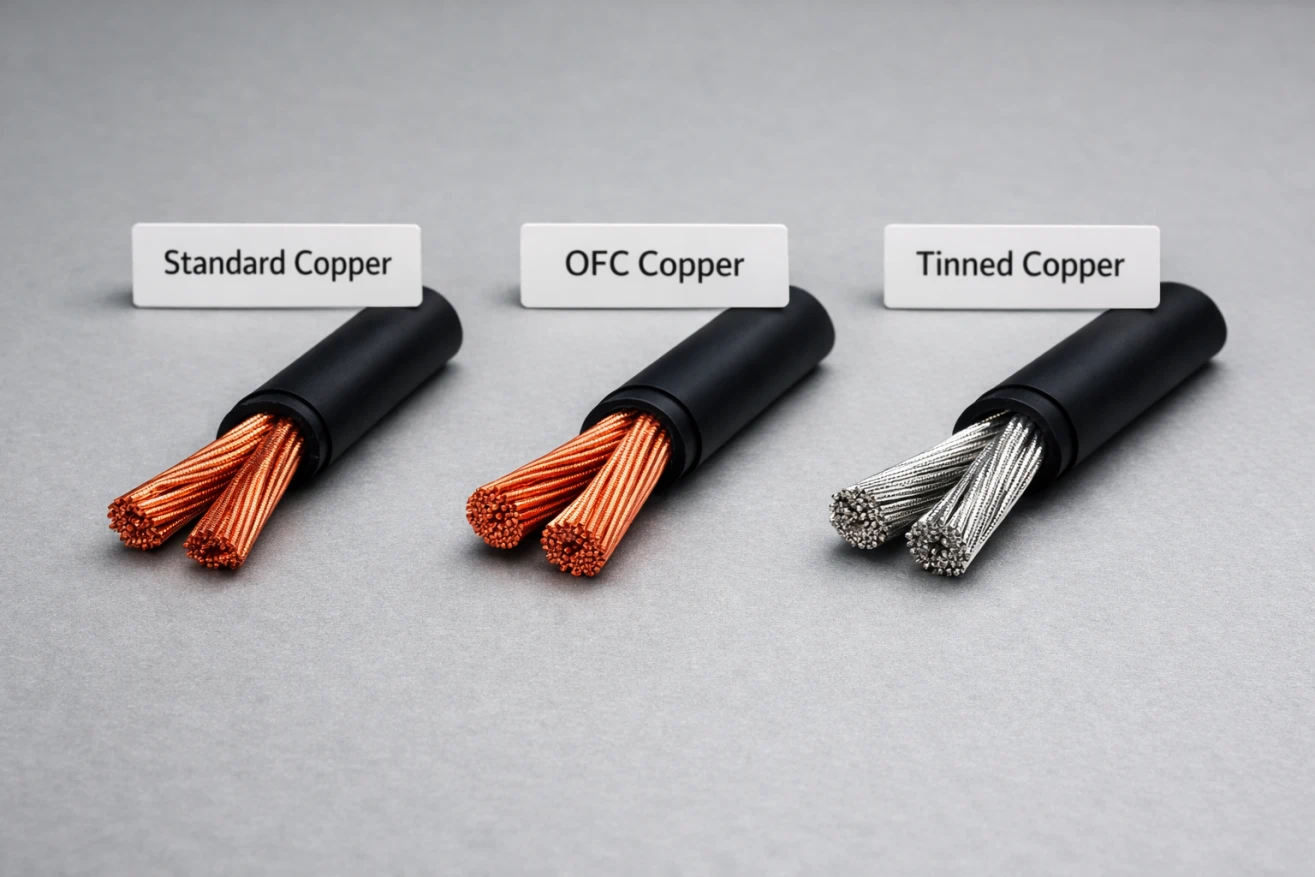
For most installed PA systems, the biggest improvements come from correct gauge, good run design, and reliable terminations. OFC is a practical quality-consistency choice for long-term installs. OCC can be a premium option, but it won't compensate for undersized cable or poor joints.
Q4: Why are far speakers quieter in a distributed system even after adjusting taps?
Common causes are undersized trunk gauge, high total tap load on a single run, too many joints, or oxidized/wet terminations. Split the run, thicken the trunk segment, and re-check junction box sealing.
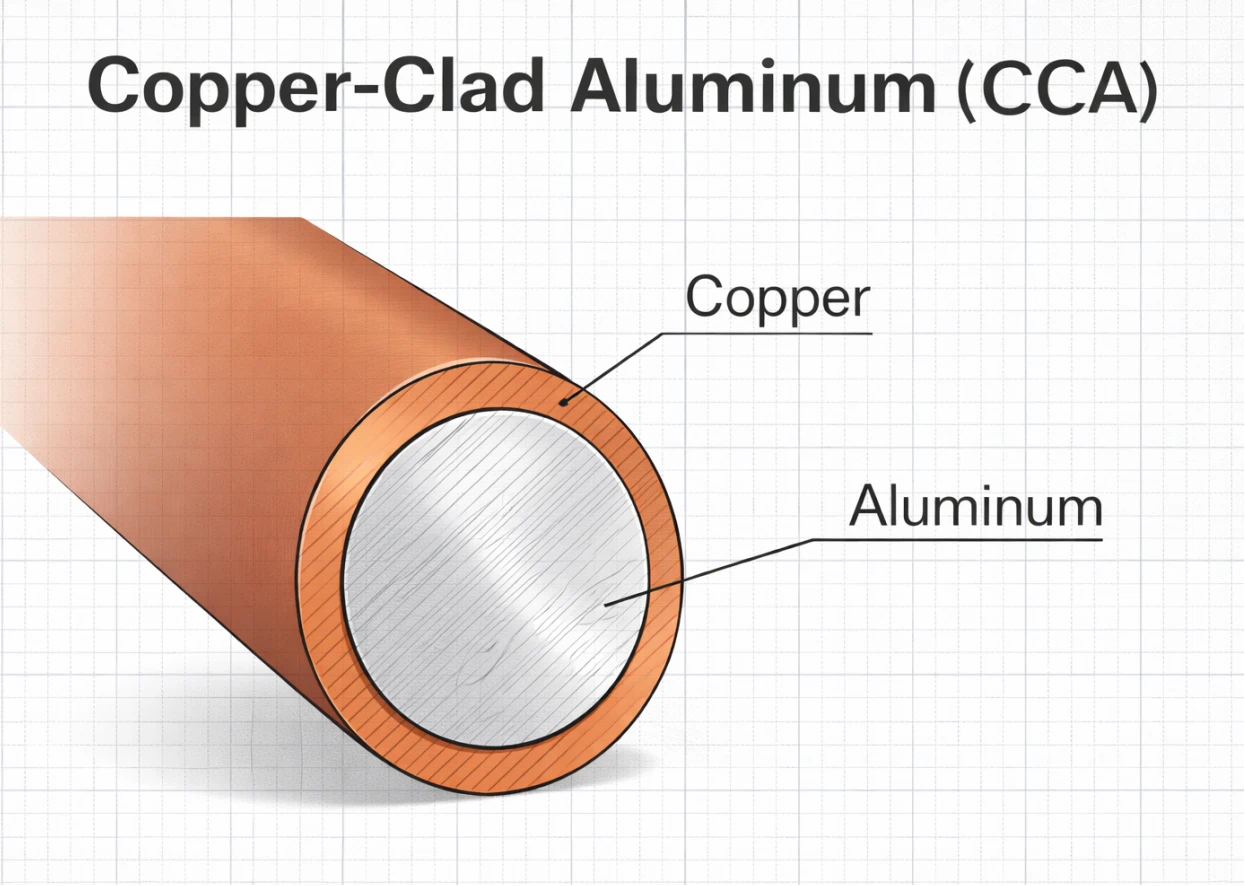
Q5: Can I use CCA (copper-clad aluminum) speaker wire for 70V/100V systems?
It may work on short, light-load runs, but on long trunks it increases loss risk. If CCA must be used, keep loads conservative and consider stepping up the cable size; copper is usually the safer long-term choice.



 2026-02-27
 Author: Michael
 Page view: 2399


 AR
AR
 EN
EN


