


 2025-10-24
 Author: cora
 Page view: 3016
A Surveillance Microphone, also called an audio monitoring microphone, is used to capture sound in a specific area. It usually works together with CCTV cameras to record both video and audio.
It can be used in many places, such as forests, wind turbines, and factories. When no one is around, the microphone can detect unusual sounds, like machine problems or unexpected noise, helping you find issues early and prevent bigger losses.
What is Surveillance Microphone?
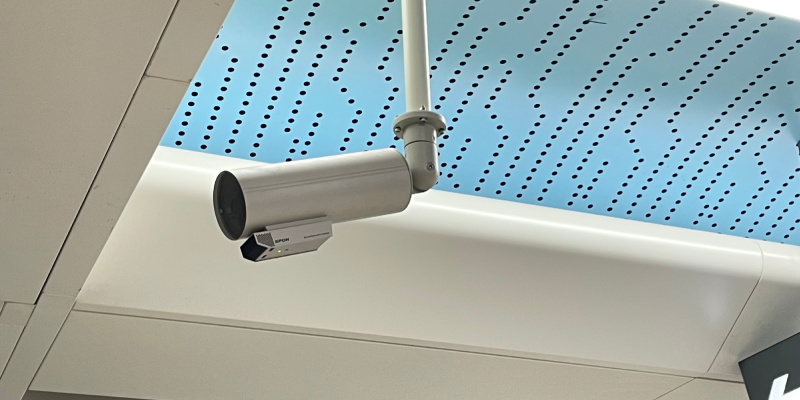
A Surveillance Microphone is a small device used to pick up sounds from the surrounding area and send them to the main security system. It is made up of a microphone head and an audio amplifier circuit. These microphones are often used with CCTV systems to record both video and audio for better security monitoring.
There are two main types: digital and analog. A digital surveillance microphone converts sound into digital signals through a signal processing system, while an analog one simply amplifies the sound collected by the microphone using basic circuits. Some models use three wires (power, audio, ground), while others use four wires to separate the audio and power grounds.
The microphone works by turning sound waves into electrical signals, which can then be recorded or monitored in real time. The sound quality depends on factors like sensitivity, background noise, pickup range, and installation environment. High-quality models with noise reduction can record clear and accurate audio, helping security teams analyze and understand events more effectively.
Why Use Surveillance Microphone??
1. Enhanced Security
One of the primary motivations for incorporating a microphone into a surveillance system is the enhancement of security. Video footage alone may not always provide a complete picture of an incident. By adding audio monitoring capabilities, you can capture additional context that can be crucial in understanding and resolving security situations.
2. Complementary Sensory Input
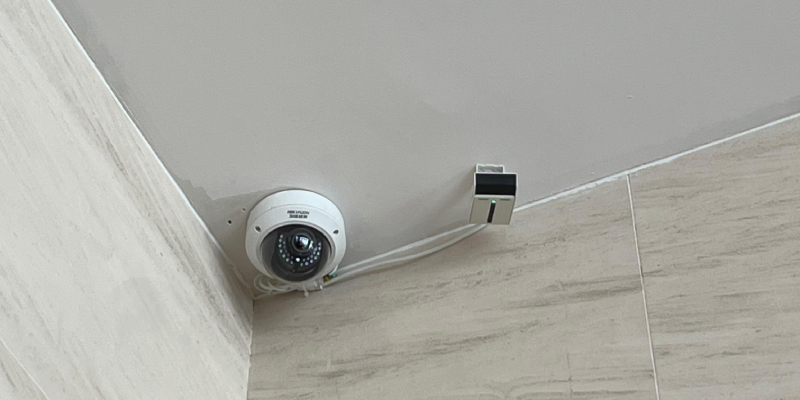
Audio provides complementary sensory input that visual data alone might miss. The nuances of sound, such as tone and volume, can convey intentions and emotions that static visuals cannot. This complementary input can be critical in assessing situations accurately and swiftly.

3. Real-time Alerts
Audio monitoring systems can be set to trigger real-time alerts based on specific sound patterns, such as loud noises or distress signals. This proactive approach allows security personnel to respond immediately to potential threats, often before they escalate.
4. Detecting Incidents Early
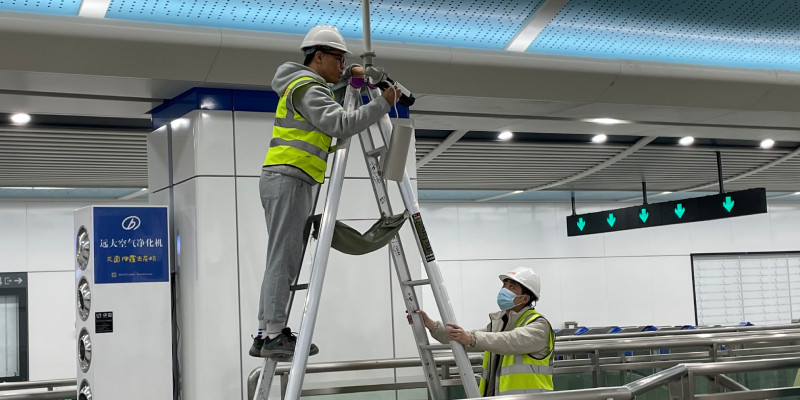
Audio monitoring can play a pivotal role in the early detection of incidents, even before they manifest visually on camera. For example, the sound of breaking glass or raised voices can alert security personnel to a potential threat, allowing for prompt intervention.

5. Proactive Threat Mitigation
Early detection through audio monitoring facilitates proactive threat mitigation. For instance, some dangerous remarks or call for help.By identifying potential issues before they escalate, security teams can take preemptive measures, enhancing overall safety and security.

6. Legal Evidence
In numerous scenarios, audio recordings can serve as invaluable evidence in legal proceedings. Having a clear and precise audio recording of an event can significantly aid in investigations, dispute resolutions, and court cases.

The evidentiary value of audio recordings in legal contexts cannot be overstated. Clear audio recordings can corroborate visual evidence, providing a more robust basis for legal arguments and decisions.
Types of Surveillance Microphones
There are 4 types of surveillance microphones available, each offering unique advantages. Understanding these types is essential for selecting the right microphone for your specific surveillance needs.
1. Omnidirectional Surveillance Microphones
Omnidirectional microphones are designed to pick up sound from all directions equally. These are ideal for scenarios where capturing audio from an entire room or a large area is necessary. However, they may also pick up unwanted background noise.
A.Versatility and Coverage
The versatility of omnidirectional microphones makes them suitable for diverse environments, from large open spaces to complex indoor settings. Their ability to cover broad areas makes them invaluable in scenarios requiring comprehensive audio capture.
B. Background Noise Management
While omnidirectional microphones excel in coverage, managing background noise can be challenging. Advanced filtering technologies and strategic placement can help minimize unwanted noise, enhancing audio clarity.
C. Use Cases
Common use cases for omnidirectional microphones include conference rooms, open office spaces, and large public areas where capturing general audio is essential.
2. Directional Microphones
Directional microphones, also known as unidirectional microphones, are engineered to capture sound from a specific direction. This design makes them ideal for focusing on a particular area or subject, minimizing background noise from other directions.
A. Focused Audio Capture
The primary advantage of directional microphones is their ability to focus audio capture on a specific target. This focused approach reduces interference from ambient noise, providing clearer and more precise audio.
B. Applications in Surveillance
In surveillance, directional microphones are often used in scenarios where pinpoint audio capture is required, such as monitoring specific entry points or areas of interest.
C. Use Cases
Common use cases for Directional Microphones include classrooms, lecture halls, and stages where focusing on a single speaker or sound source is important while reducing background noise.
3. Boundary Microphones
Boundary microphones are designed to be placed on flat surfaces, such as walls or tables.
A. Discreet and Effective
Boundary microphones offer a discreet solution for audio capture. Their unobtrusive design allows them to blend seamlessly into environments, making them ideal for covert surveillance applications.
B. Surface Vibration Capture
By capturing surface vibrations, boundary microphones provide a unique audio capture method. This approach is particularly effective in environments where direct audio capture is challenging.
C. Use Cases
Common use cases for Boundary Microphones include conference tables, courtrooms, and theaters where clear sound capture from multiple people in a flat surface area is required.
4.Wireless Microphones
Wireless microphones offer unparalleled flexibility in terms of placement and installation. They can be positioned in areas where running cables is impractical, making them an ideal choice for temporary setups or locations where aesthetics are a concern.
A. Freedom of Placement
The wireless nature of these microphones allows for freedom in placement, enabling security teams to position them in strategic locations without the constraints of wiring.
B. Power and Connectivity
Wireless microphones require careful consideration of power sources and connectivity. Ensuring reliable power and signal transmission is essential for maintaining continuous audio capture.
Choosing the Right Surveillance Microphones
When choosing recording microphones for surveillance, you must consider several factors to make sure they work well and fit your security system.
1. Environment
The environment plays a key role in deciding which type of microphone to use. For outdoor monitoring, you need a microphone that can handle different weather conditions. It should be strong, durable, and weatherproof. For indoor use, focus on clarity and sensitivity.
2.Acoustic Features
Things like echo, reverb, and background noise can affect performance. In special places such as factories or high-security areas, custom microphone solutions may be needed to meet safety and operation needs.
3.Range and Sensitivity
The pickup range and sensitivity are very important. A more sensitive microphone can catch quieter sounds, which can be helpful, but it may also pick up more background noise.
4.Signal-to-Noise Ratio (SNR)
Finding the right balance between sensitivity and noise is key. High-sensitivity microphones can capture soft sounds well but may need noise reduction to keep the sound clear.
5.System Integration
Make sure the microphone you choose works with your current security system. Many surveillance microphones are made to connect easily with CCTV cameras and other devices, giving synchronized audio and video. This is very useful when analyzing security recordings to identify voices or understand conversations.
Before installing any audio monitoring device, always understand the legal rules. Laws about audio monitoring differ by region, so follow local regulations to avoid legal problems and respect privacy rights.
Applications of Surveillance Microphones
1. Banking and Financial Institutions
• In banks and other financial institutions, surveillance microphones are used to record on-site conversations and background sound.
• This helps prevent disputes, provide audio evidence during incidents, and ensure compliance with internal security protocols.
• Audio monitoring can also help detect aggressive behavior or emergencies in real time.

2. Retail and Supermarkets
• In chain stores and supermarkets, audio monitoring promotes better communication between staff and customers.
• It helps managers ensure that employees use polite and professional language while improving service quality.
• Surveillance microphones also help investigate theft or conflicts by providing clear sound evidence.

3. Industrial Facilities and Factories
• In manufacturing environments, professional surveillance mics are not only used for security but also for equipment monitoring.
• By analyzing pickup sound from machines, operators can quickly detect abnormal noises, mechanical faults, or potential hazards before they escalate.
• This helps improve maintenance efficiency and reduce downtime.
4. Courtrooms and Legal Institutions
• Courtrooms use surveillance microphones to record every statement clearly and accurately.
• These recordings provide reliable legal documentation and help maintain transparency during proceedings.
• In addition, high-quality audio ensures that no important detail is lost or misunderstood during trials.
5. Wind Turbines and Renewable Energy Sites
• In wind farms, surveillance mics can detect unusual mechanical sounds from turbines.
• When the system picks up abnormal vibrations or pitch variations, it can trigger alerts for early maintenance.
• This proactive approach reduces the risk of major equipment damage and minimizes operational losses.
Conclusion
A surveillance microphone can capture sounds from the scene and detect abnormal noises. By understanding different types of microphones and considering factors such as environment, sensitivity, and signal-to-noise ratio, you can choose the right microphone for your needs. Remember, proper installation and maintenance are key to keeping your monitoring system effective. If you have any questions, feel free to contact us — our microphones are successfully and reliably used around the world.
FAQ
1. Is there a microphone that cancels background noise?
Yes. Some microphones have noise-cancelling or noise-reduction features. They are designed to reduce background sounds and focus on the main voice or noise source, making the audio clearer.
2. Do surveillance cameras have microphones?
Some surveillance cameras include built-in microphones, while others need an external surveillance microphone. Adding an external one helps capture clearer and wider-range audio for better monitoring.


 AR
AR
 EN
EN


