


 2024-12-12
 Author: SPON COMM
 Page view: 2223
Introduction
Emergency Blue light phone, also known as a blue light box or code blue phone, is a type of emergency call station designed to provide a direct line to emergency services, typically found on college campuses, public parks, and parking lots . These phones are characterized by a blue light that is easily visible in the dark, which not only helps users locate the phone but also acts as a deterrent to criminal activity . They offer a simple and quick way to contact help, especially in situations where using a personal mobile phone might be difficult or impossible, such as when the phone is lost, stolen, or has no signal . The blue light emergency phones play a crucial role in enhancing public safety and providing reassurance to the community .
Emergency Blue light phone is an ideal security solution for remote and high-risk areas. An always-lit LED blue light provides high visibility and gives passers-by a sense of security. Users can call emergency personnel or first responders with a simple push of a button.
Emergency Blue Light phones were designed for several key reasons:
1. Rapid Emergency Response:
These phones provide immediate access to emergency services, which is crucial in critical situations where every second counts. They ensure that help can be dispatched quickly to the exact location of the caller.
2、Crime Deterrence:
The presence of Blue Light phones increases awareness of security measures and can deter potential criminals. The visibility of these phones signals that emergency services can be alerted rapidly, which might discourage criminal activities in their vicinity.
3、Accessibility and Inclusivity:
Blue Light phones are designed to be accessible to everyone, regardless of whether they own a mobile phone or not. They serve as an essential means of communication in situations where someone doesn’t have a mobile phone, or if their phone is lost, stolen, or out of battery.
How to design an Emergency Blue light phone for security system?

Emergency Blue light phone application
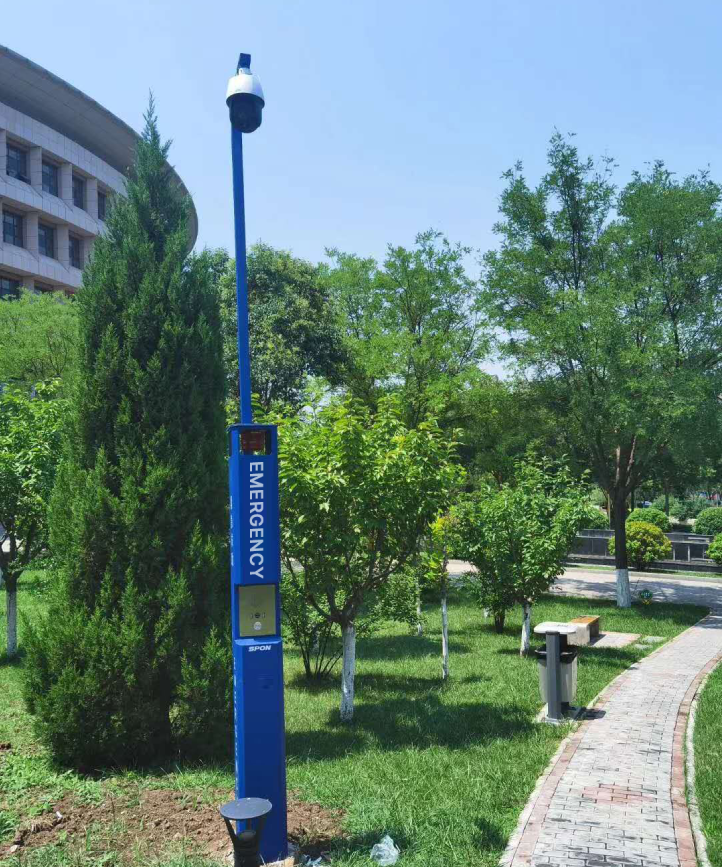
1、Emergency Blue light phone College Campuses
Emergency Blue Light phones play a significant role on college campuses for the following reasons:
Immediate Connection to Emergency Services:
They provide a direct line to campus security or local police, ensuring rapid response to emergencies such as assaults, burglaries, and medical emergencies.
Crime Deterrence:
The presence of these phones increases awareness of security measures on campus, which can deter potential criminals. A study showed that after Rice University installed blue light emergency phones, the campus crime rate, especially burglaries, significantly decreased.
Enhanced Campus Safety Perception:
Blue light phones contribute to the perceived safety of a campus, which is a critical factor for parents and students when choosing a college. This can influence enrollment decisions.
Support for Mental Health Emergencies:
Given the prevalence of mental health issues among students, blue light phones can provide immediate assistance to students in crisis, even when their personal cell phones are unreliable.
Boosting Enrollment:
Public safety measures, including blue light phones, can increase enrollment as they instill confidence in the safety of the campus environment, which is a top concern for parents and students.
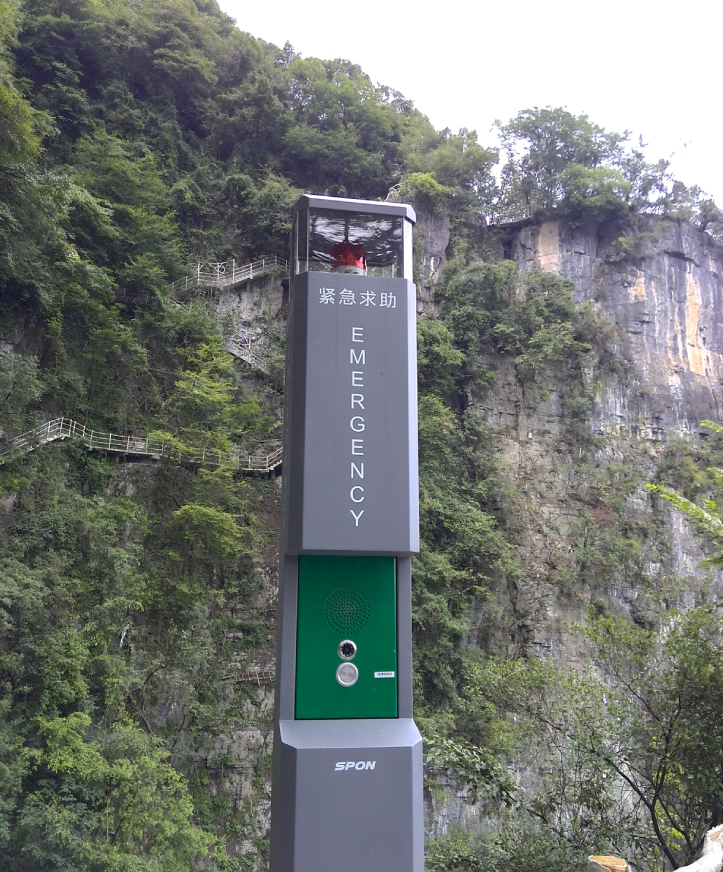
2、Emergency Blue Light phones in Public Parks
Rapid Emergency Response:
They provide immediate access to emergency services, which is crucial in situations where quick response can prevent escalation or harm. This rapid response capability is essential for mitigating the impact of emergencies in public spaces.
Enhanced Safety and Reassurance:
The presence of Blue Light phones serves as a visible symbol of safety, reassuring park visitors that help is readily available. This can contribute to a more welcoming and secure environment for all users.
Accessibility for All:
Blue Light phones are strategically placed in high-traffic areas of parks, ensuring that individuals of all ages and abilities have equal access to emergency assistance. This design caters to the diverse needs of the public, offering a reliable means of communication for anyone in need of immediate help.
Visual Deterrent:
The blue light serves as a visual deterrent, potentially preventing criminal activities and enhancing the overall security of the park. The conspicuous presence of these phones, along with integrated cameras for visual monitoring, contributes to a proactive approach in preventing crime.
Support for Mental Health Emergencies:
Given the prevalence of mental health issues, Blue Light phones can provide immediate assistance to individuals in crisis. They can be a lifeline for those who may be struggling and need immediate support, even when their personal cell phones are unreliable.
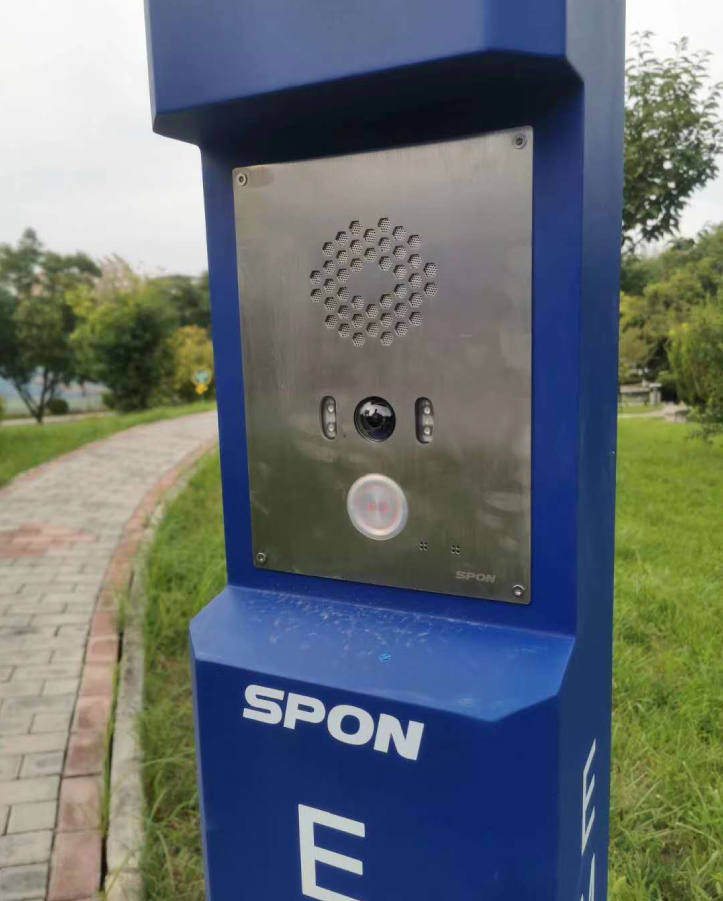
3、Emergency Blue Light phones in Parking Lots
Rapid Emergency Response:
They provide a direct line to emergency services, allowing individuals to quickly report incidents such as assaults, vehicle break-ins, or medical emergencies, which is crucial in minimizing harm and ensuring timely intervention.
Enhanced Security and Reassurance:
The presence of Blue Light phones acts as a visible symbol of security, reassuring users that help is readily available. This can deter potential criminals and contribute to a sense of safety, which is particularly important in parking lots where users may feel vulnerable, especially during late hours.
Accessibility for All:
Strategically placed Blue Light phones ensure that all users, regardless of their location within the parking lot, have equal access to emergency assistance. This is important for large parking lots where cellular reception may be patchy or non-existent.
Visual Deterrent:
The blue light serves as a visual deterrent, signaling the presence of security measures and potentially preventing criminal activities. This is beneficial in parking lots where visibility can be limited and crime rates might be higher.
Integration with Other Security Systems:
Blue Light phones can be integrated with other security measures such as surveillance cameras and alarm systems, providing a comprehensive security solution. This integration allows for a faster response to emergencies and enhances the overall security posture of the parking lot.
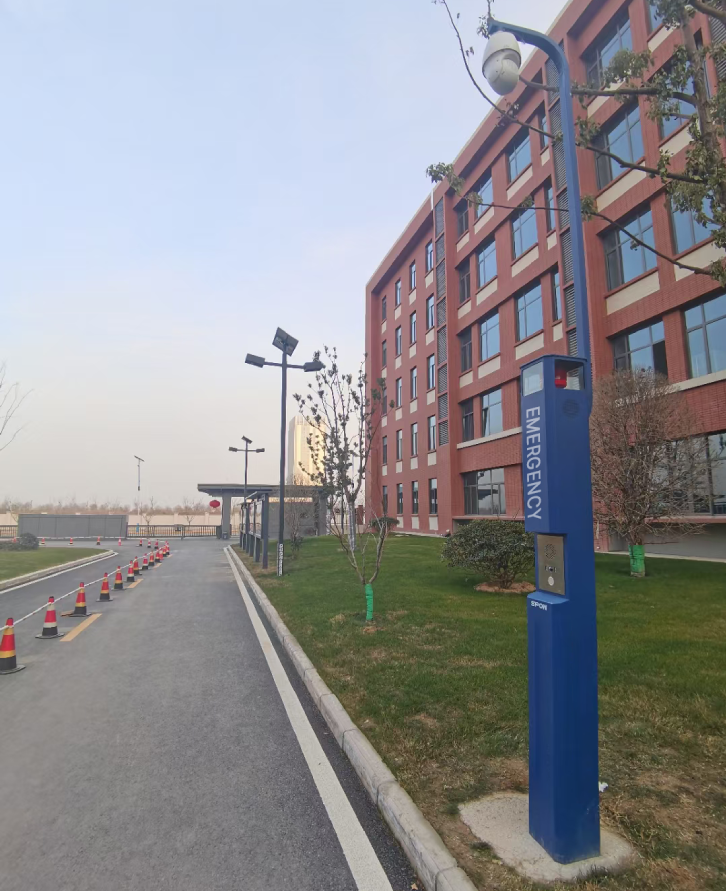
4、Emergency Blue Light phones in Nursing Homes
Immediate Assistance:
They provide residents with a direct and immediate means to call for help in case of falls, medical emergencies, or other urgent needs, which is essential for the prompt response that can be life-saving for elderly residents.
Enhanced Safety:
The presence of these phones contributes to a safer environment by allowing for rapid response to emergencies, reducing the risk of harm to residents and ensuring their well-being.
Prevention of Wandering:
Blue Light phones can be integrated with systems that help prevent residents, especially those with cognitive impairments, from wandering off or eloping, which can lead to dangerous situations.
Improved Staff Response:
They facilitate better communication between residents and staff, ensuring that staff can respond more effectively to the needs of residents, which is crucial for maintaining high standards of care.
Peace of Mind for Families:
The availability of emergency phones provides reassurance to families that their loved ones can quickly access help if needed, which is important for maintaining trust in the nursing home's ability to provide safe and reliable care.
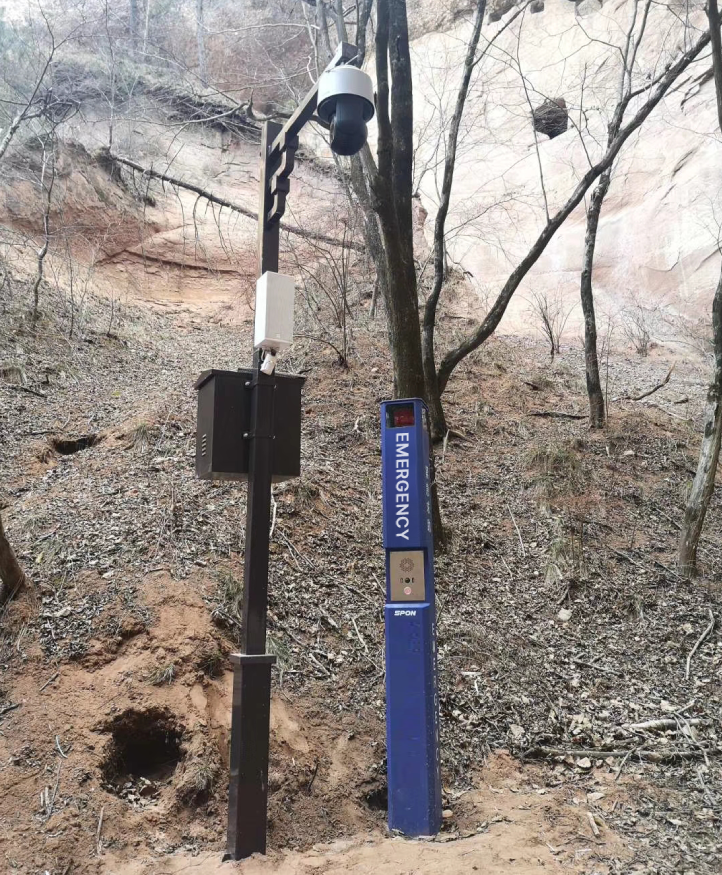
5、Emergency Blue Light phones in urban Walkways and Streets
Rapid Emergency Response:
Blue Light phones provide swift and direct access to emergency services, which is crucial in urban environments where incidents can escalate quickly. This immediate contact can mean the difference between timely intervention and potential harm.
Enhanced Safety and Reassurance:
The presence of these phones serves as a visible symbol of safety, reassuring pedestrians that help is readily available. This contributes to a more secure environment, particularly in areas that may be less populated or poorly lit.
Accessibility for All:
Strategically placed in high-traffic areas, Blue Light phones ensure that individuals of all ages and abilities have equal access to emergency assistance, regardless of their location within the public space.
Visual Deterrent:
The blue light atop these towers acts as a visual deterrent, potentially preventing criminal activities. The conspicuous presence of these phones, along with integrated cameras, contributes to a proactive approach in preventing crime and enhancing public safety.
Round-the-Clock Availability:
Blue Light emergency towers operate 24/7, ensuring that emergency assistance is accessible at any time of the day or night. This unwavering availability underscores a commitment to safeguarding public spaces and provides a consistent safety net for individuals.
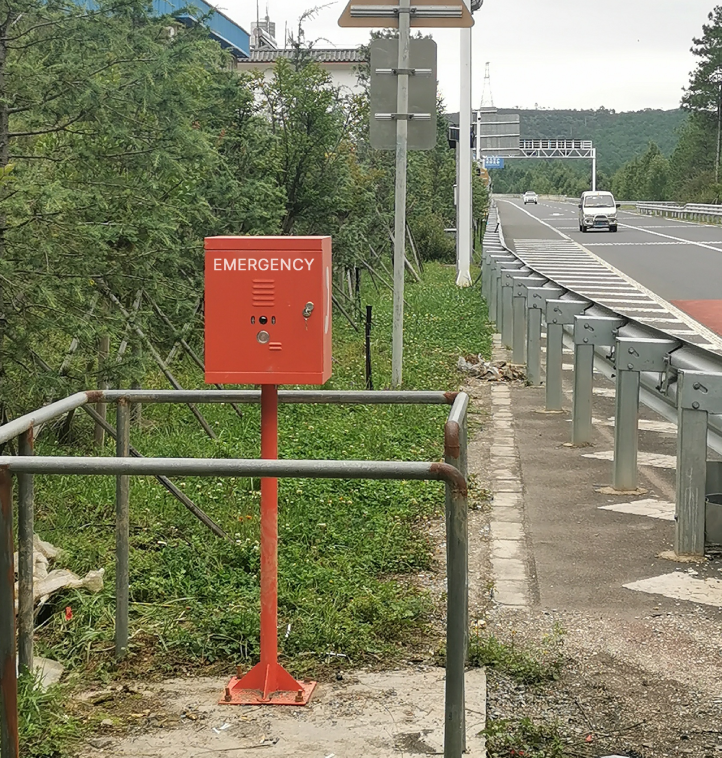
6、Emergency Blue Light phones at the entrances of highway tunnels
Immediate Emergency Communication:
They allow drivers or victims of accidents to quickly contact the control command center responsible for the tunnel, establishing a voice link and providing the caller's precise location.
Enhanced Safety and Security:
The presence of these phones reassures drivers that help is readily available in case of emergencies, which is particularly important in the confined space of a tunnel where traditional means of communication may be limited.
Regulatory Compliance:
The installation of these phones may be mandated by regulations that specify the distance between two emergency telephones, ensuring consistent safety standards across different regions.
Support in Major Accidents:
In the event of traffic anomalies or major accidents, drivers can promptly request rescue through the emergency phone, facilitating quick troubleshooting operations and potentially saving lives.
Key technology
The technology behind Blue Light phones, also known as emergency blue light phones or blue light boxes, is designed to enhance public safety and provide a direct line to emergency services in various public area.Here's an explanation of the technology based on the provided search results:
Direct Connection to Emergency Services:
Blue Light phones are designed to immediately connect the caller with emergency services, which could be the local police or campus security headquarters, depending on the configuration of each institution's network . This direct connection ensures a swift response to emergencies.
Visibility and Deterrence:
These phones are easily identifiable by their blue lights, which serve as a beacon of safety in times of distress. The blue light not only helps users locate the phone in the dark but also acts as a deterrent to criminal activity, as it can flash to alert security or police to an emergency situation.
Wireless Technology and Modern Updates:
Over time, Blue Light phones have evolved with technology. They now incorporate wireless technology, solar panels, live video, and integration with other security systems, making them more effective in the modern era.
Simplicity in High-Stress Situations:
Compared to using a mobile phone to call 911 in an emergency and trying to explain where you are and what is happening,Blue Light phones allow users to simply press a button to reach the relevant emergency services, which is simpler and can be lifesaving.
Compatibility and Integration:
Blue Light phones are compatible with a wide range of emergency phone systems and can be easily integrated into existing infrastructure or new setups. This compatibility ensures that help is just a call away, whether it's a hospital, campus security station, parking garage, or remote trailhead.
Reliability and Cost-Effectiveness:
Traditional POTS (Plain Old Telephone Service) lines have been used for Blue Light phones, but with the advent of services like AirDial by VirtualPBX, organizations can now rely on more reliable and cost-effective communication channels for their emergency phones, even during power outages or challenging conditions.
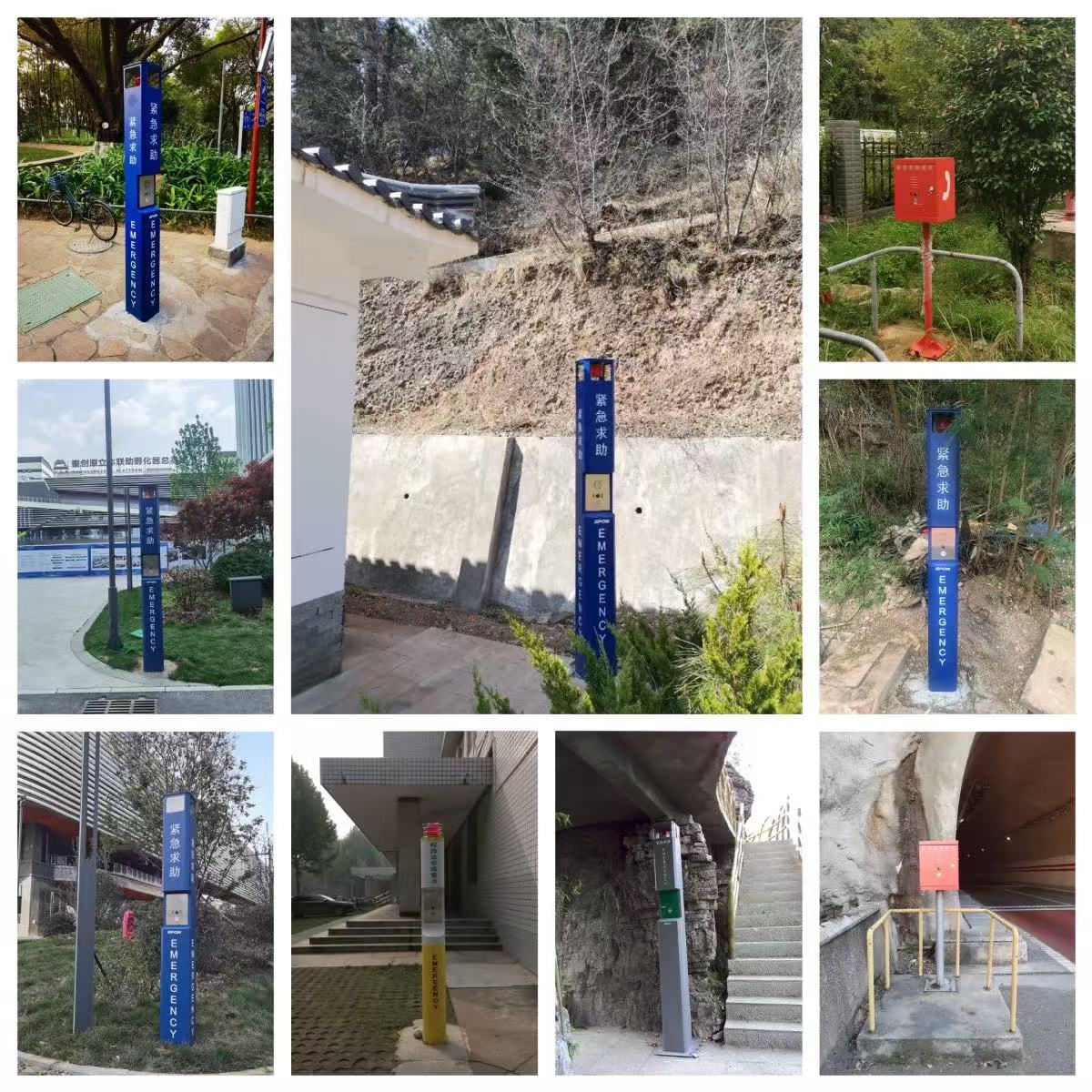
Cases
Conclusion
In summary, the technology behind Blue Light phones is centered around providing a reliable, visible, and immediate means of communication to emergency services, with modern enhancements to ensure their continued effectiveness in public safety initiatives.
These phones are a critical component of public safety infrastructure, offering a tangible means of accessing emergency assistance in times of need and enhancing the overall security of public spaces. such as they provide immediate access to emergency services, which is crucial in mitigating the impact of emergencies and ensuring timely intervention.reassuring the public that help is readily available and fostering a sense of security.The visibility of these phones indicates that emergency services can be quickly alerted, which might discourage criminal activities in their vicinity.Blue Light phones are strategically placed in high-traffic areas, ensuring that individuals of all ages and abilities have equal access to emergency assistance.The blue light serves as a visual deterrent, potentially preventing criminal activities and enhancing the overall security of the area.


 AR
AR
 EN
EN


