


 2024-12-09
 Author: SPON COMM
 Page view: 1168
Introduction
In today's world, security has become a top priority for both residential and commercial properties. While CCTV cameras provide visual surveillance, the integration of CCTV microphones offers a comprehensive solution by adding audio surveillance capabilities. This article delves into the importance of CCTV microphones, their benefits, applications, and market trends.
What is CCTV microphone?
A CCTV microphone is a device designed to capture audio alongside video footage from CCTV cameras, enhancing security by providing both visual and auditory surveillance. There are several types of CCTV microphones, each serving specific needs:
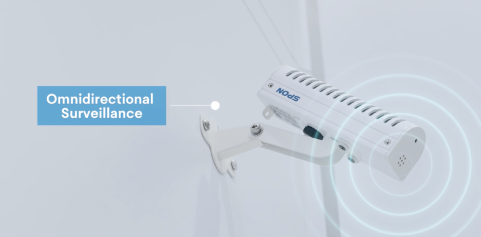
1、Omni-directional CCTV Microphones:
These microphones pick up sound from all directions, making them ideal for recording conversations in a room or other confined spaces.The device is capable of detecting specific keywords or abnormal sounds, and can send alerts and upload the recordings to the server.
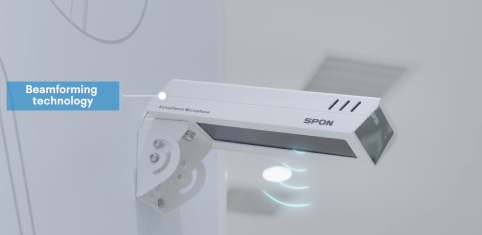
Popular among professionals for capturing quality sound, especially when recording videos or films, shotgun microphones offer a highly directional pattern that captures audio from a specific direction.
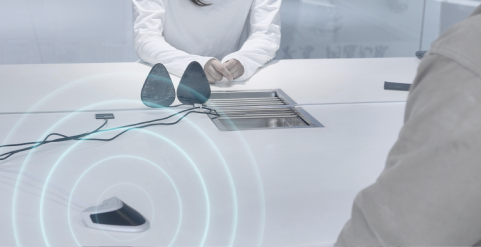
This desktop surveillance CCTV microphone is suitable for use in prisons, public security, inspections and other occasions for sound collection.It is suitable for indoor installation on ceilings.
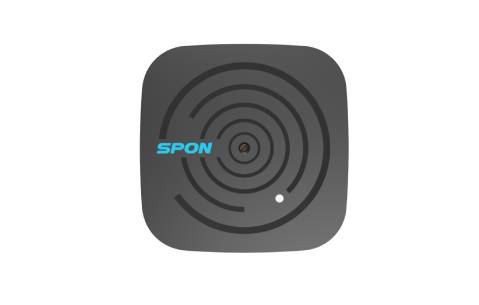
Offering mobility without compromising audio quality, wireless microphones transmit audio signals via electromagnetic waves, making them ideal for in-the-field recording.

5、Ceiling mountable CCTV Microphone:
Designed to be placed on a flat surface, these microphones capture sound from all directions and are often used in conference rooms or lecture halls.
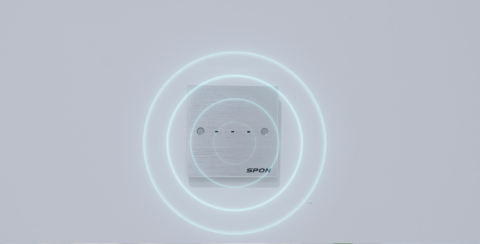
6、Wall-mounted CCTV microphones:
designed for unnoticeable placement, ensuring they blend seamlessly into their surroundings.They offer high-quality audio capture, providing clear sound even in concealed positions.These microphones are ideal for security and surveillance applications where discretion is paramount.
The role of CCTV microphones in CCTV surveillance systems
1. Enhancing Security with Audio Surveillance CCTV
microphones are designed to capture audio alongside video, providing a more complete picture of any security incidents. They are particularly useful in environments where audio evidence is crucial, such as in banks, police stations, and examination halls . The ability to hear conversations or sounds can significantly improve the response time and effectiveness of security measures.
2、Clear Audio Quality and Sensitivity
High-quality CCTV microphones, like the SPON model, are known for their high sensitivity and clear audio output. They are lightweight, easy to install, and can be mounted in various ways, including on walls or ceilings . The outdoor directional model, for instance,is suitable for use in prisons, public security, inspections and other occasions for sound collection.
3、Versatility and Compatibility
CCTV microphones are compatible with a range of devices, including surveillance TVs and security protection systems. They often come with necessary cables and dedicated circuits, making them suitable for monitoring in various fields . The USA Sales Group model is designed for outdoor use, withstanding harsh weather conditions and providing clear audio capture even in noisy environments.
4、Durability and Weather Resistance
For outdoor installations, durability is key. The Outdoor directional microphone model, for example, is high sensitive and waterproof, making it ideal for outdoor surveillance where weather conditions can be extreme . Similarly, the Urban Security Group offers a speaker and microphone combo device with IP56 weatherproofing, ensuring it can withstand the toughest storms.
It can be installed outdoors on surveillance poles, walls, and ceilings. The shell is made of aluminum alloy, Adaptive dynamic noise reduction processing, built-in high-speed digital signal processor to ensure output strength. Built-in AGC eliminates differences in sound levels from different distance, making the sound amplitude more balanced. It is integrated with a professional SMT audio processor that can directly drive various devices such as active speakers, DVRs, and network cameras.
5、Market Trends and Growth
The global camera microphone market is expected to expand at a CAGR of 6.5% during the forecast period, reaching USD 2,035.3 Million by 2030 . This growth is attributed to changing consumer demands and a high focus on sustainability, indicating a surge in demand for CCTV microphones.
CCTV System Connection Diagram
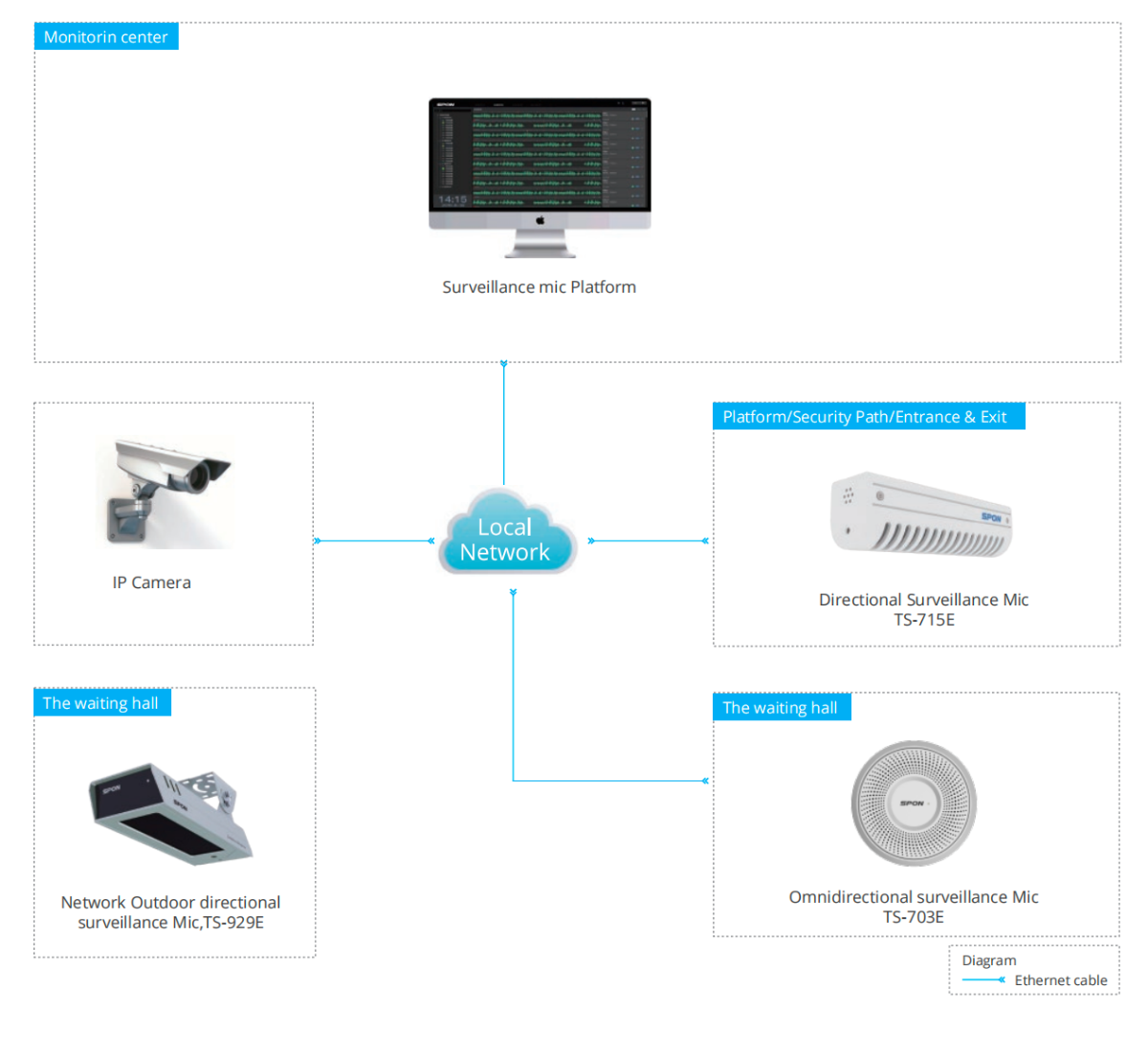
CCTV microphone in different applications
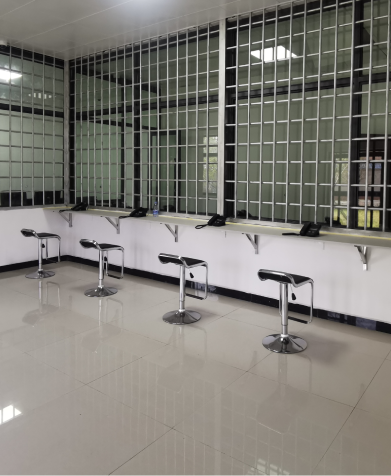
1、CCTV microphones for law enforcement and interview rooms:
CCTV microphones play a crucial role in law enforcement and interview rooms, with the following four key functions:
Evidence Collection:
They capture clear audio recordings that serve as admissible evidence in legal proceedings, enhancing the reliability of cases presented in court.
Investigative Tool:
Audio surveillance provides valuable leads and real-time insights into criminal activities, aiding in solving crimes and identifying suspects.
Professionalism and Accountability:
The presence of CCTV microphones can increase accountability and professionalism within police organizations, as officers act with greater caution knowing their actions are being recorded.
Crime Deterrence:
The awareness of being monitored can deter potential offenders, influencing public behavior and criminal activities, contributing to crime prevention strategies.
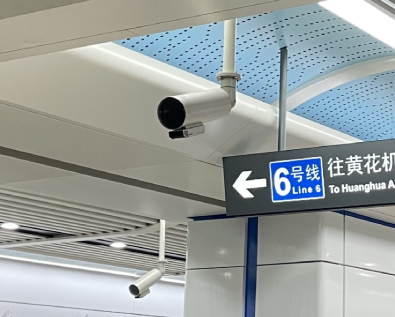
2、CCTV microphones in subway
Crime Deterrence:
They help deter criminal activities by providing a visible reminder of surveillance, which can discourage potential offenders.
Emergency Response:
In case of emergencies, CCTV microphones can capture crucial audio details that assist in understanding the nature of the incident and coordinating responses.
Operational Monitoring:
They monitor announcements, crowd noise levels, and public address system effectiveness, ensuring smooth operation and communication within the subway system.
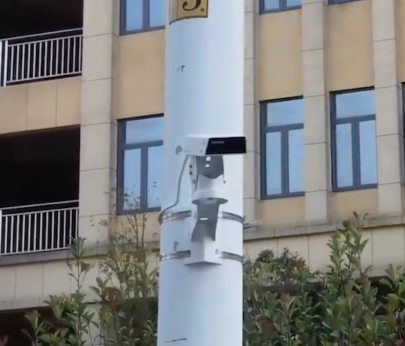
3、CCTV microphones in residential use
Audio Surveillance:
They capture audio along with video, providing a fuller picture of activities around the property, which is crucial for discerning incidents and suspicious behaviors.
Audible Alerts:
They can detect loud noises and send real-time notifications when set sound thresholds are exceeded, acting as audio detectors and alerting property owners to concerning noises.
Smart Home Integration:
High-end security cameras integrate with smart speakers for voice-enabled features, allowing users to control and access camera audio feeds through voice commands.
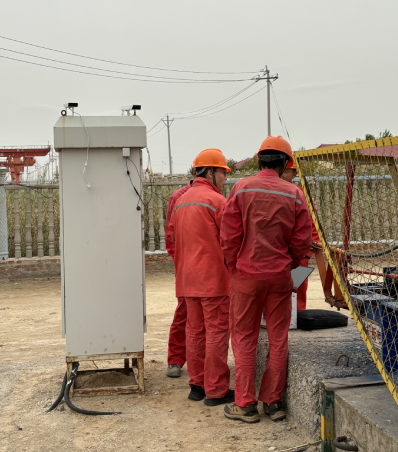
4、CCTV microphones in industrial settings
Enhancing Security:
They capture clear audio to complement video surveillance, helping to identify potential threats and intruders in real-time, which is crucial for improving safety and security.
Machine Monitoring:
In industrial environments, CCTV microphones can be used to detect machinery malfunctions or unusual sounds that may indicate a need for maintenance, thereby preventing potential accidents.
Health and Safety Compliance:
They ensure that industrial sites are adhering to health and safety standards by recording conversations and activities that could be relevant in the event of an inspection or incident.
Communication and Coordination:
In large industrial facilities, microphones can facilitate communication between different areas, enhancing coordination and response times in case of emergencies or operational needs.
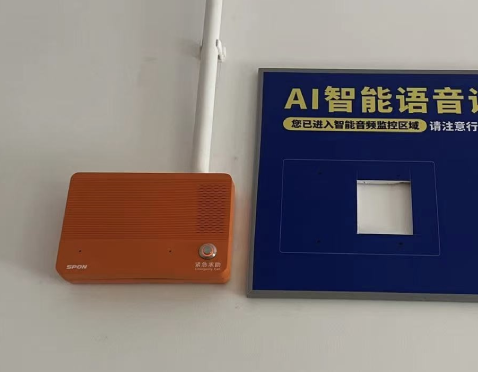
5、CCTV microphones in educational institutions
Enhancing Safety and Security:
They deter potential criminals and provide crucial evidence for investigations, creating a safer learning environment.
Monitoring Classrooms and Exams:
Microphones can capture discussions or disruptions during lessons and exams, aiding in maintaining discipline and academic integrity.
Preventing Vandalism and Theft:
By monitoring areas prone to vandalism or theft, CCTV microphones help protect school property and deter such activities.
Emergency Response:
In case of emergencies, audio surveillance can provide critical information, such as screams or breaking glass, allowing for a swift response.
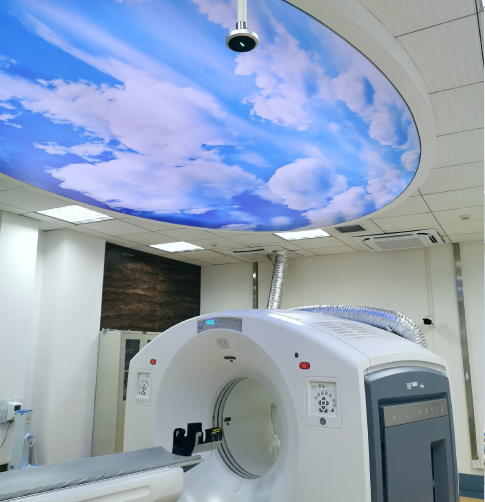
6、CCTV microphones in hospitals
Deterrence of Criminal Activity:
The presence of CCTV microphones acts as a deterrent against theft, vandalism, and other forms of criminal activity, enhancing the overall security within the hospital premises.
Enhanced Patient Monitoring:
These microphones can be used to discreetly monitor patients in critical care units or those at risk of self-harm, ensuring their well-being and allowing for swift medical responses if needed.
Increased Staff Safety:
CCTV microphones contribute to a safer work environment by deterring potential acts of violence against staff members, which is particularly important given the high risk of workplace violence in healthcare settings.
Incident Investigation and Evidence Collection:
In the event of an incident, CCTV microphones provide a reliable record of audio, offering critical evidence for investigations and legal proceedings.
How do CCTV microphones work with video cameras?
CCTV microphones work in conjunction with video cameras to provide a comprehensive security solution that includes both audio and visual surveillance. Here's how they typically integrate and function together:
Audio Input Connection:
Most CCTV cameras, especially outdoor models, do not have built-in microphones to prevent water damage. Instead, they are designed to accept external microphones. The audio input can be a simple 3.5mm jack or a more specialized connection, depending on the camera model.
Physical Connection:
To connect a microphone to a CCTV camera, you need to locate the audio input on the camera and connect the microphone using the appropriate cable. For example, IP security cameras with audio input capabilities often have an RCA audio connector on their pigtail for connecting a microphone.
Configuring Software Settings:
After the physical connection is made, the CCTV system may require adjustments to software-based settings. This could involve setting audio levels or enabling the audio input within the camera’s software interface. It's important to consult the user manual for exact procedures.
Testing and Adjustment:
Once everything is set up, it's crucial to test the system to ensure that the audio is being captured as expected. Adjustments to microphone placement or settings may be necessary to ensure clear audio capture.
Types of Microphones:
There are various types of microphones used for audio surveillance, including omni-directional microphones that pick up sound from all directions, which is ideal for recording conversations in a room or other confined spaces.
Power Supply:
Some microphones require a separate power source. This can be connected to the microphone, and in some cases, a PoE (Power over Ethernet) splitter can be used to provide power to both the camera and the microphone.
Enhancing Security Performance:
In some applications, such as in metro stations, surveillance microphones are supplied to enhance the security performance of CCTV cameras, contributing to the maintenance of safety.
Legal Considerations:
It's important to note that laws regarding audio surveillance are strict in many regions. Always check with a legal advisor to ensure you're within legal rights to record audio, especially if the surveillance area extends beyond private property.
Troubleshooting:
Common issues such as no audio or poor audio quality can be addressed by checking connections, settings, and ensuring there is no interference with the microphone or cables.
In summary, CCTV microphones work with video cameras by being connected to the camera's audio input, which allows the system to capture both video and audio. This integration enhances the surveillance capabilities, providing a more detailed record of events and improving the overall security of the area being monitored.
Conclusion
CCTV microphones are an essential addition to modern surveillance systems, offering not only enhanced security but also improved audio evidence capture. With advancements in technology and a growing market, the integration of CCTV microphones is becoming increasingly popular across various sectors. Whether for indoor or outdoor use, these microphones provide clear audio, are easy to install, and are compatible with a wide range of security devices, making them a valuable investment for any security-conscious individual or organization.
Call to Action
For those looking to upgrade their security systems, investing in a high-quality CCTV microphone is a step towards comprehensive surveillance. With the market's growing trend and the benefits these microphones offer, it's time to consider how audio surveillance can enhance your security measures.


 AR
AR
 EN
EN


