Campus-wide or zone-based announcements can be delivered instantly for teaching and administration, ensuring messages reach the right buildings and areas on time.
Automated school bells and scheduled playback reduce manual work and keep the entire campus synchronized, including class times, breaks, and routine reminders.
Balanced sound coverage supports clearer speech and comfortable listening, helping students hear consistently in different classroom sizes and layouts.
Emergency broadcasts can override ongoing audio to deliver urgent instructions immediately, improving response speed and on-site coordination.

Manual notice delivery is slow and inconsistent across buildings, so messages may arrive late or fail to reach the right classrooms.
During peak times (morning assembly, dismissal, events), staff often repeat the same notice multiple times but still miss some areas.


Without unified scheduling, school bells and routine audio vary between buildings, floors, or campuses. This disrupts class transitions and reduces operational discipline, especially when different zones follow different timing rules.

Announcements intended for one grade, building, or dormitory can interrupt unrelated classes when zoning is not flexible enough. Without proper permission control, paging can also become chaotic, causing unnecessary disruption and complaints from teachers.

Traditional classroom audio often creates dead zones and unclear speech, forcing teachers to raise their voice and students to strain to listen.
Over time, this impacts teaching efficiency, attention, and learning comfort in different classroom layouts.
A modern campus needs one IP-based audio system to keep announcements, school bells, and classroom audio running on schedule across teaching buildings and outdoor areas. SPON brings zoning, scheduling, and emergency priority into one centralized platform so every message is delivered clearly to the right place at the right time.


.jpg)
.png)



Keep announcements and school bells consistent with one unified timetable.

Send messages to the right building or grade without disturbing other classes.

Clearer speech and more even sound across different classroom layouts.

 Central Zone Control Schedule Management
1. Administrators manage all campus zones from one platform and control who can broadcast to each area, keeping communication organized and traceable.
2. A unified schedule keeps announcements and school bells consistent across multiple buildings, reducing manual work and daily confusion.

 Live Paging Permission Control
1. Staff can make live paging to selected buildings, grades, or functional areas for daily management notices and urgent coordination.
2. Permission-based operation prevents unauthorized paging and avoids cross-zone disturbance during class time.
 Teaching Playback Clear Speech Information Display Emergency Two-Way Call
1. Classrooms support teaching-audio playback and receive announcements when needed.
2. Balanced reinforcement improves intelligibility and reduces dead zones.
3. The LED clock displays time and notices to support daily routines.
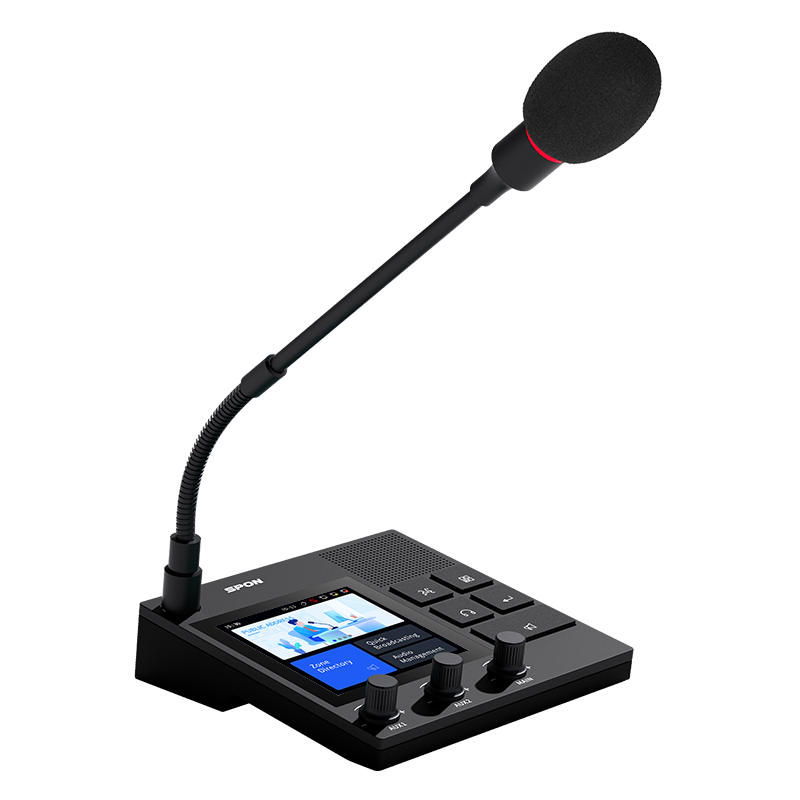
4. The microphone panel enables one-touch emergency calls and instant two-way communication with the control room.
 Wireless Teaching Comfortable Study Experience
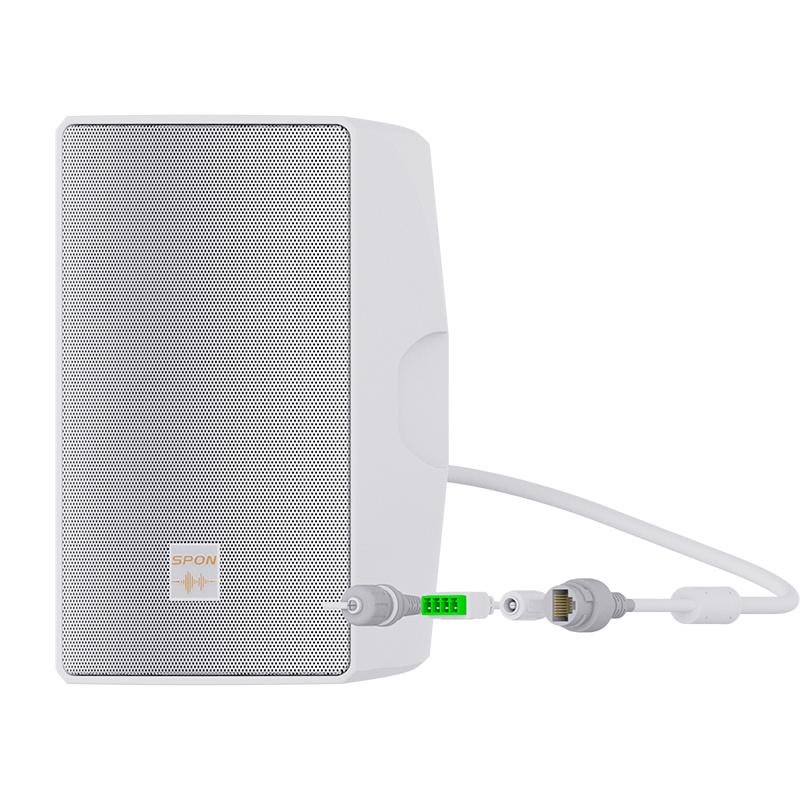
1. Wireless teaching audio supports flexible instruction and clear voice delivery, especially in larger classrooms and lecture rooms.
2. The system keeps sound reinforcement stable and clear, helping students hear consistently even in rooms with varied seating and acoustics
 Floor-Level Notices No-Class Disturbance
1. Corridors and indoor public areas receive routine bells and operational reminders so each floor stays synchronized throughout the day.
2. Zone-based delivery ensures messages reach only the required areas, minimizing interruptions to nearby classrooms.
 Wide-Area Paging Weather-Ready Audio
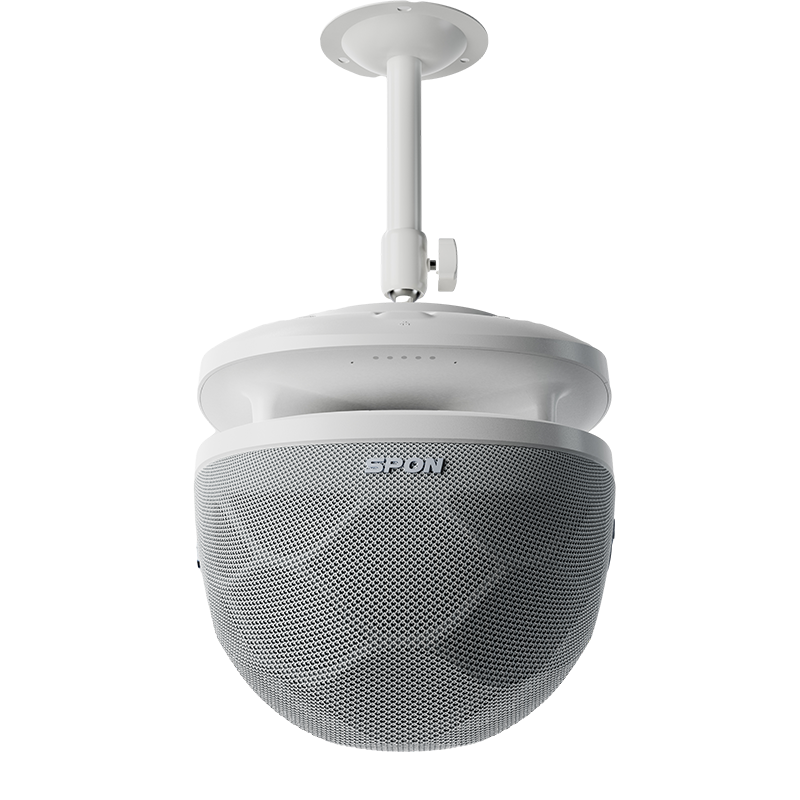
1. Outdoor zones support assemblies, sports activities, and daily guidance with clear announcements and routine bell playback across open spaces.
2. Outdoor broadcasting is designed for weather exposure, helping maintain reliable operation and clear delivery under wind and crowd noise.


 AR
 EN