Integrates public address and intercom functions, enabling real-time voice communication and broadcasting across different areas.
Supports rapid delivery of preset or live voice alerts in emergency situations, improving emergency response efficiency.
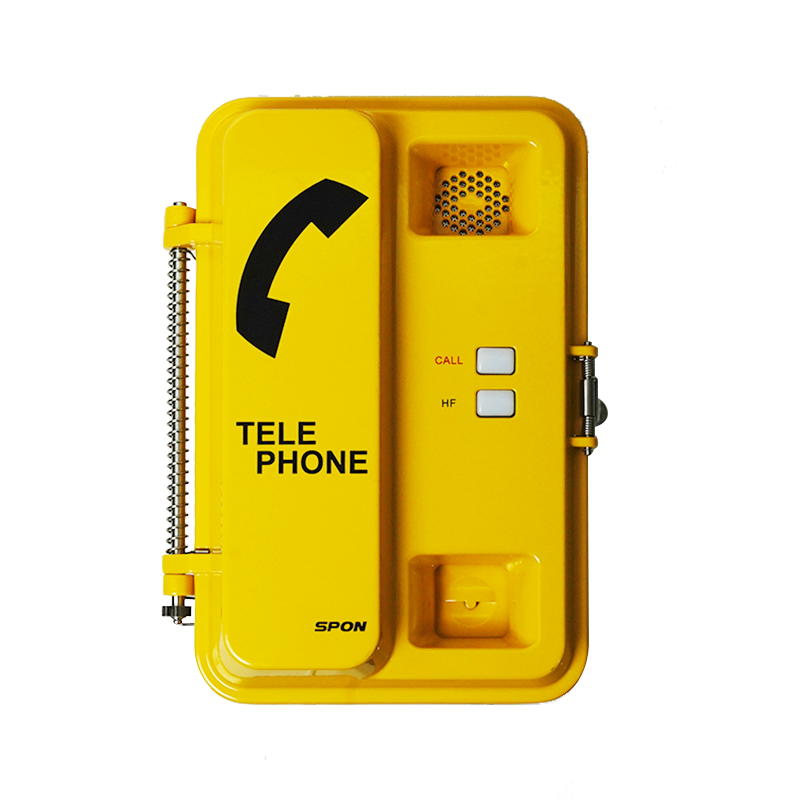
Emergency call terminals are deployed along the highway, allowing drivers to contact the control center or rescue center with one touch.
The hardware and network architecture are designed for complex highway environments, ensuring stable and reliable operation.

Public address, intercom, and emergency telephone systems are often from different vendors and operate independently, making unified scheduling and centralized management difficult.


In the event of accidents, congestion, or emergencies, multiple systems must be operated simultaneously. Long information delivery paths and decentralized command can easily delay the optimal response time.

As highway mileage expands or management requirements evolve, legacy systems are difficult to scale or integrate with new devices, leading to repeated investments and resource waste.

Widely distributed highway facilities increase maintenance complexity and costs, as inspection and fault troubleshooting are challenging in dispersed and complex environments.
The SPON Highway Solution, built on an IP network, integrates intercom, public address into a unified, reliable platform, covering toll stations, tunnels, service areas, and control centers for rapid information delivery and centralized dispatch.




Centralized management with one platform

Instant Intercom and Automatic Broadcasting

24/7 stable operation for continuous communication

 Two-way Intercom Instant Broadcast Remote Meeting Event Recording
1.One-button broadcasting allows messages to the entire highway or specific sections, with zone-specific content if needed.
2.Supports two-way video intercom with branch centers and remote meetings for real-time instructions and coordination.
3.All calls and broadcasts are automatically recorded for easy retrieval, review, and management analysis.

 Rapid Response Instant Broadcast Remote Meeting Participation
1.Toll station emergency calls connect directly to control centers for rapid incident response.
2.Broadcast traffic and safety information to service areas to ensure smooth operations.
3.Tunnel emergency broadcasts guide safe vehicle evacuation.
4.Remote meetings across segments enable unified scheduling and command.
 One-Button Help Two-Way Intercom Realtime Announcement
1.Emergency call panels in unattended lanes allow vehicles to contact the control center.
2.Manned lanes use window intercoms, with remote calls to the control center for assistance when needed.
3.IP horn speakers at entrances and exits broadcast traffic guidance and weather information.
 Emergency Assistance Emergency Broadcasting
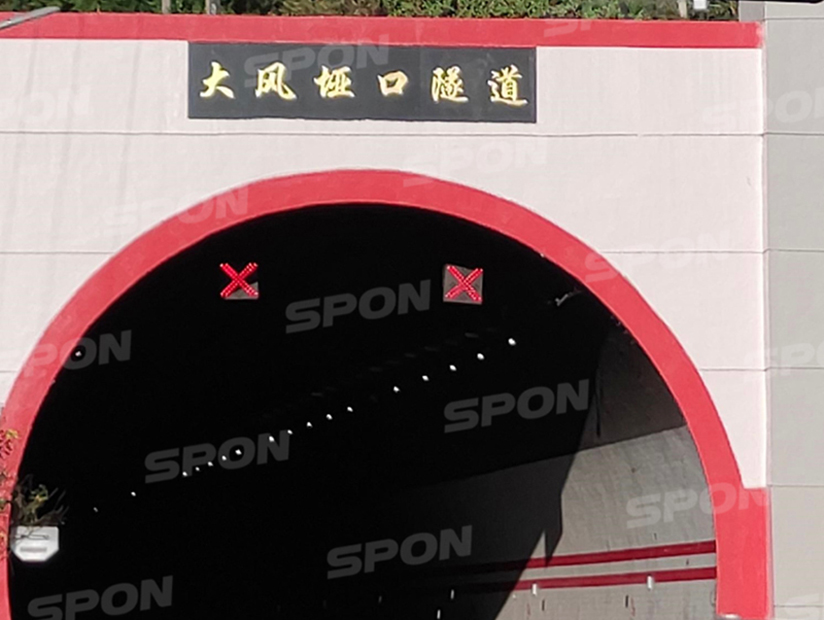
1.Emergency guidance broadcasts can be played in real-time through loudspeakers within the tunnel to guide vehicles and personnel to safety.
2.Intercom stations within the tunnel allow passengers to communicate two-way with the control center in the event of an emergency, enabling real-time communication about the situation on site.
 Emergency Call Background Music
1.Light background music can be played via Bluetooth to enhance the overall environment and customer experience in the service area.
2.In the event of an emergency, staff can quickly contact the control center through intercom terminals.


 AR
 EN