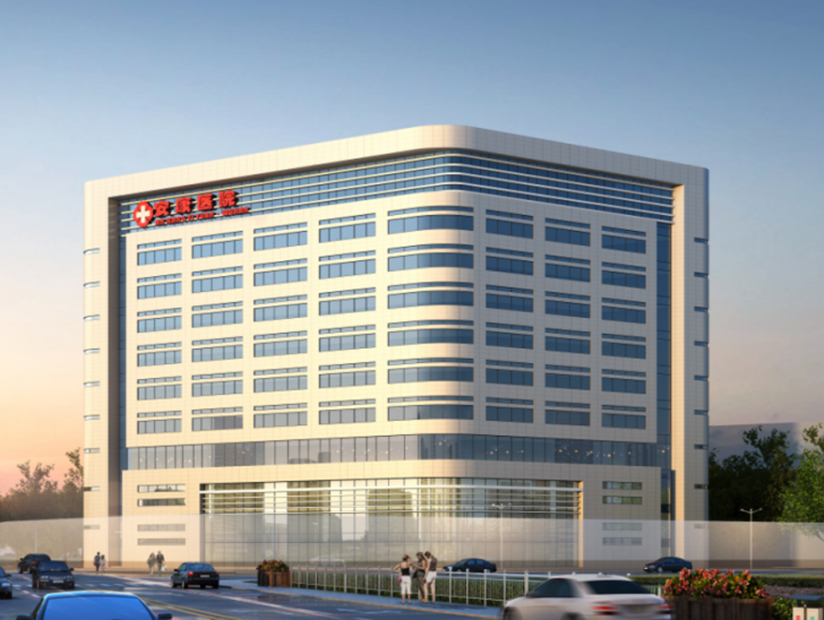
Choose centralized management or a server-free design to match different hospital sizes, buildings, and workflows.
Deliver routine notices and patient guidance to the right zones—corridors, waiting areas, clinics, and wards—without unnecessary disturbance.
Enable instant two-way audio/video communication between nurse stations and help points for faster response and clearer confirmation.
Support SIP and multicast for easier interoperability, including integration with hospital SIP telephone systems and future third-party expansion.

In busy hospitals, patients often miss guidance and move to the wrong queue or department. Repeating the same information manually increases workload and still leaves gaps during peak hours.


Glass partitions at reception counters reduce speech clarity and slow down service. Without a dedicated window intercom, staff and patients repeat information, especially when queues are long.

When staff need assistance, traditional phone calls or walking to find colleagues wastes time. Hospitals need faster, simpler ways to reach the right team and location immediately.

Paging, intercom, guidance audio, and emergency broadcast are often deployed as separate systems. This causes inconsistent operation rules, complicated training, and harder maintenance across departments.

Hospitals often rely on SIP-based telephony and need systems that can interoperate through standard protocols. Without SIP/multicast compatibility, integration becomes expensive and future upgrades are restricted.

Solutions that rely on dedicated servers add ongoing burdens beyond the initial purchase. Licensing, backups, maintenance coordination, and downtime risk increase long-term operating cost—especially for smaller hospitals or phased deployments.
Hospitals need reliable communication that guides patients clearly, connects staff instantly, and stays controlled by zones—from reception and waiting areas to corridors, clinics, wards, and critical points. SPON delivers one flexible solution that can be deployed with centralized management or a server-free architecture, supports smooth integration with existing hospital communication infrastructure, and links to emergency triggering—helping reduce complexity and long-term operating cost.


.jpg)


.png)
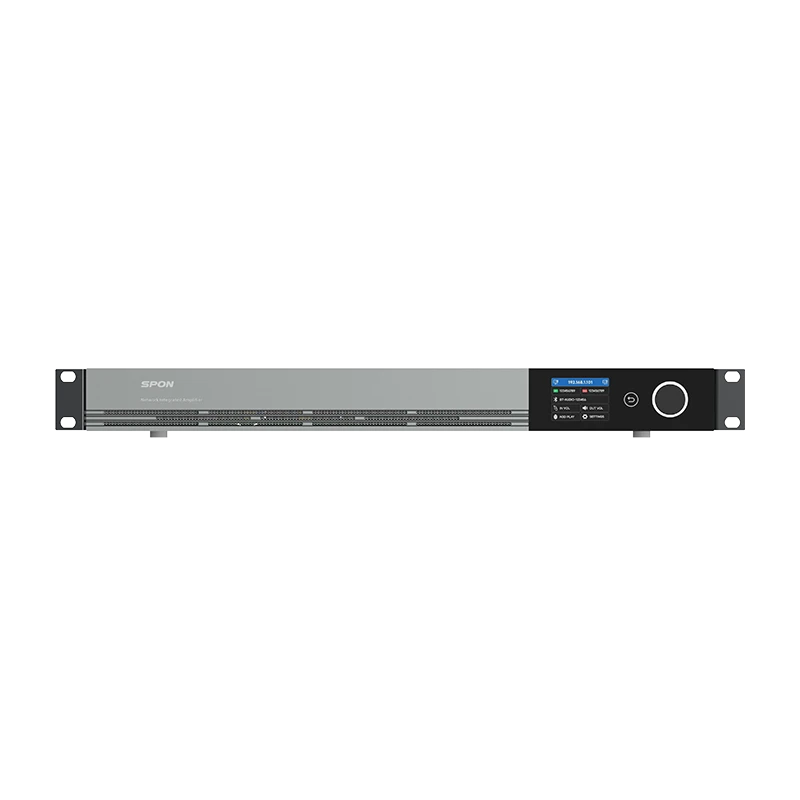


Centralized management or server-free deployment to match different hospital sizes.

Paging plus two-way audio/video calling improves speed and coordination.

Fewer dedicated IT components and flexible endpoints reduce project overhead.
Priority override and linkage ensure urgent instructions reach required zones.
Easy Interoperability

 Central Control Emergency Linkage
1. Centralized configuration manages zoning, schedules, and permissions for paging and intercom across the hospital, keeping daily operations organized.
2. Emergency triggering enables priority override broadcasting to guide staff and patients quickly when urgent instructions are required.

 Clear Counter Talk Fast Service
1. The service counter needs clear two-way communication through the glass barrier, improving registration efficiency and reducing repeated confirmation.
2. Staff can deliver targeted guidance to nearby waiting zones without disturbing clinical areas.
 Noise Detection Clear Queue Guidance
1. Nurses can handle zone paging (e.g., wards, corridors, waiting areas), emergency announcements, and two-way intercom from one desktop console, reducing response time and avoiding missed calls during peak hours.
2. When paired with corridor/public help points, the nursing station can receive calls with live video and manage internal coordination more efficiently, especially during night shifts and visitor peaks.
 Continuous Coverage Flexible Architecture
1. Public help points can be installed at key locations such as elevators, ward entrances, and major junctions, allowing visitors or patients to request guidance or urgent assistance through hands-free two-way communication with visual confirmation.
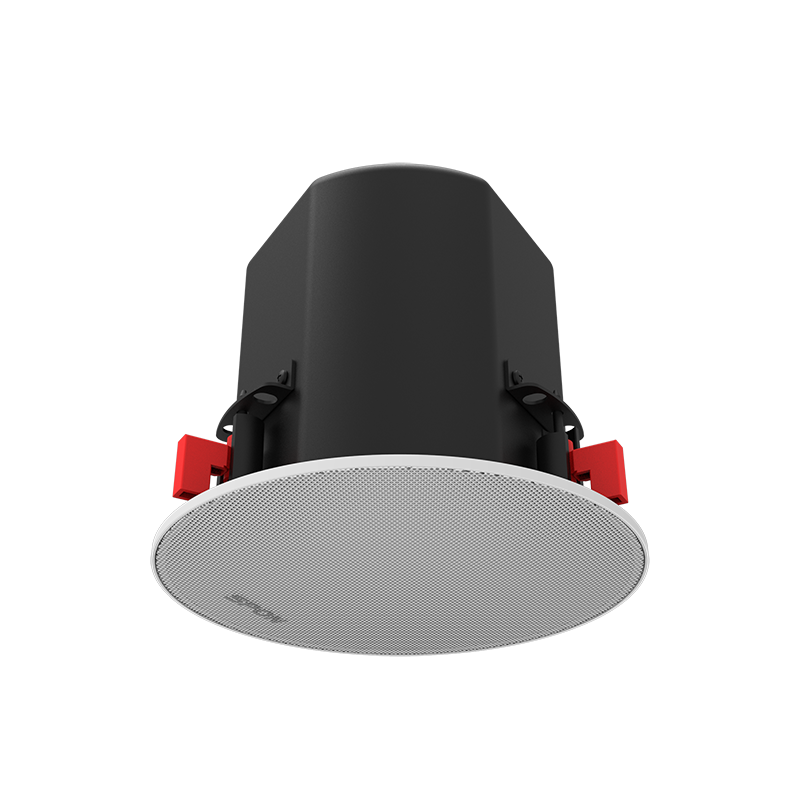
2.Corridor broadcasting can be built with flexible architecture: either fully networked ceiling endpoints or network amplification driving multiple ceiling speakers on a distributed line—achieving continuous coverage while controlling equipment count, cabling workload, and overall project cost.
 Local Call Point Quiet Delivery
1. Consultation rooms can receive only necessary zone messages to avoid disturbing clinical communication and patient privacy.
2. A local call panel helps staff request assistance quickly when urgent coordination is required.
 One-Touch Call Two-Way Video Talk
1. Help points allow staff or patients to request assistance quickly from designated locations, reducing response time.
2. Two-way communication supports faster triage and correct dispatch to the right team.


 AR
 EN